


Neiphiu Rio inaugurates four food-processing projects, highlighting value addition, entrepreneurship and agriculture as pillars of Nagaland's economic growth
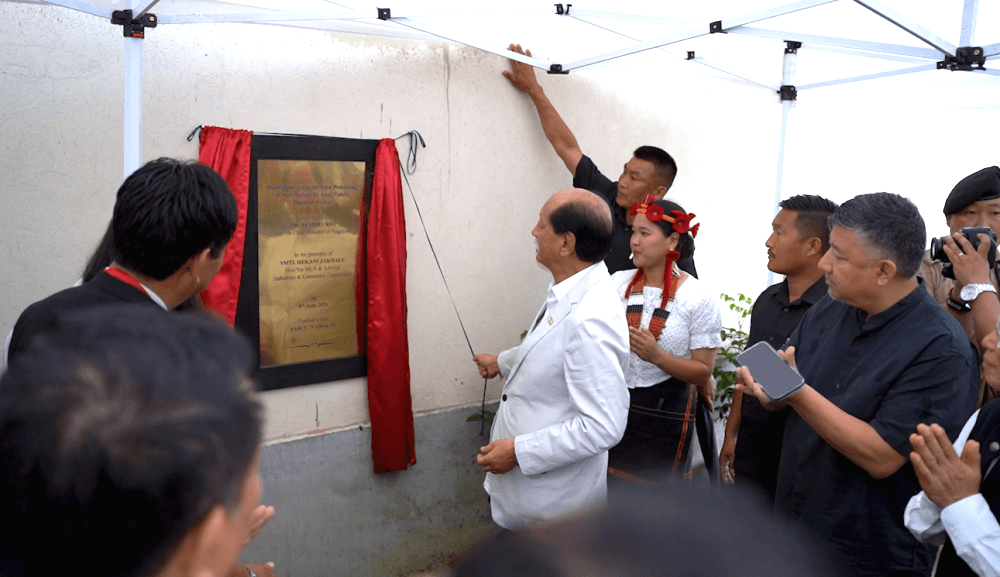
DIMAPUR — Chief Minister Neiphiu Rio on Monday inaugurated four food-processing infrastructure projects across Nagaland and called for greater focus on entrepreneurship, value addition and agricultural processing as drivers of economic growth and employment generation in the state.
The chief minister inaugurated the Incubation Centre for Food Processing at the State Industrial Area, Toluvi, under the Special Assistance to States for Capital Investment (SASCI-V) scheme for 2024-25.
He also virtually inaugurated three other projects: Incubation Centre for Entrepreneurs and Infrastructure Development at the Industrial Growth Centre, Ganeshnagar, Chümoukedima; Incubation Centre for Food Processing at Tuensang; and Modern Aggregation Centre at Longnak in Mokokchung.
Addressing the inauguration programme at Toluvi, Rio described the launch as a significant milestone and said the four facilities were conceived as pilot food-processing projects aimed at strengthening value addition and supporting farmers across the state.
Noting that nearly 70% of Nagaland's population is engaged in farming, he said the state's economic future lies in agriculture and allied sectors rather than large-scale industries, which face challenges due to the cost of importing raw materials.
Also read: Rio outlines NHHDC initiatives to strengthen artisan livelihoods
NEC plenary session: Rio seeks 14 flyovers, airport, IIT and AIIMS for Nagaland
He said Nagaland has long functioned as a consumer-driven economy dependent on goods produced elsewhere, but expressed hope that increased local production and value-added products would gradually help transform the state into a producer economy.
Rio said the projects align with the government of India's vision of a "Viksit Bharat" by 2047 and were made possible through the SASCI scheme. He urged stakeholders to ensure quality control, transparency and effective utilisation of the infrastructure created under the programme.
WATCH MORE:
The chief minister also underscored the need to establish food-processing facilities across all districts to reduce post-harvest losses and improve returns for farmers. Referring to crops such as kiwi, peach, plum, dragon fruit and pineapple, he said processing, packaging and preservation could help farmers derive greater value from their produce.
He said food-processing facilities would help utilise produce that might otherwise go unsold in fresh form while opening new market opportunities.
Calling on young people to explore entrepreneurship and alternative employment avenues, Rio said dependence on government jobs was becoming increasingly unsustainable.
Referring to the state's employment scenario, he said that although more than 72,000 unemployed youth are registered in Nagaland, participation in private-sector recruitment opportunities remains limited.
He cited a recent mega job fair in which 33 multinational companies participated. According to Rio, 1,918 candidates registered for the event, 954 attended interviews and 89 eventually received job offers.
The chief minister also highlighted the Chief Minister's Micro-Finance Initiative, under which beneficiaries contribute 10% of project costs, receive a 30% government subsidy and obtain the remaining 60% as a loan, with interest covered by the government during the five-year moratorium period.
He further referred to Nagaland's partnership with Kochi Prefecture in Japan, under which Naga youth receive skill and language training before being placed in employment opportunities in Japan.
Rio stressed the importance of contract farming, soil testing and organic cultivation practices to ensure consistent production and meet quality standards required in export markets. He also emphasised timely completion of projects under the SASCI scheme, noting that future funding depends on the submission of utilisation certificates within prescribed timelines.
Speaking at the programme, Advisor for Industries and Commerce Hekani Jakhalu described the inauguration of the four projects as the first instance in which the department had completed and launched four projects on schedule.

She said food processing was not limited to machinery and infrastructure but involved creating a value chain linking farms, factories and markets.
Describing the newly inaugurated facilities as pilot projects, she said they were developed after studying local production patterns and value chains.
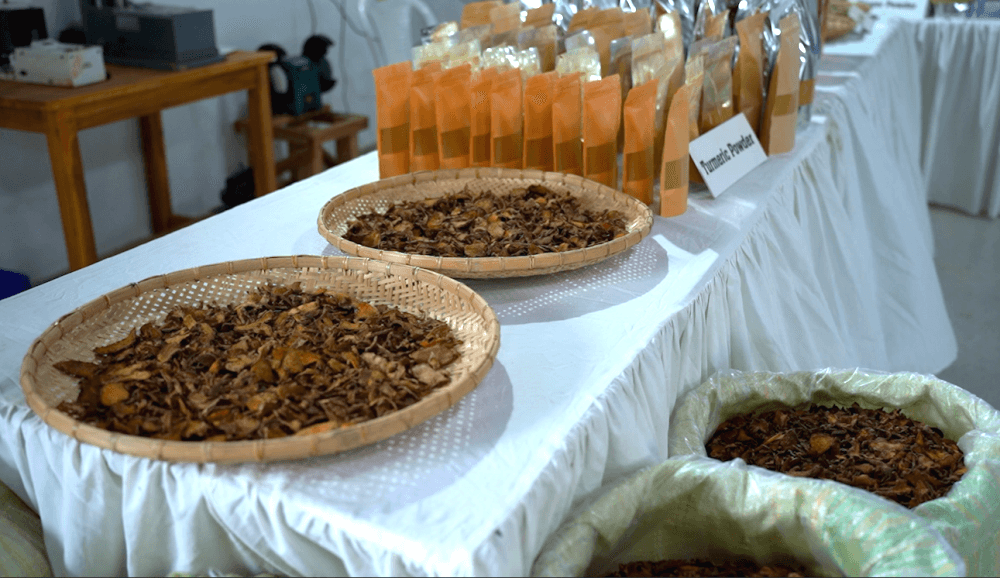
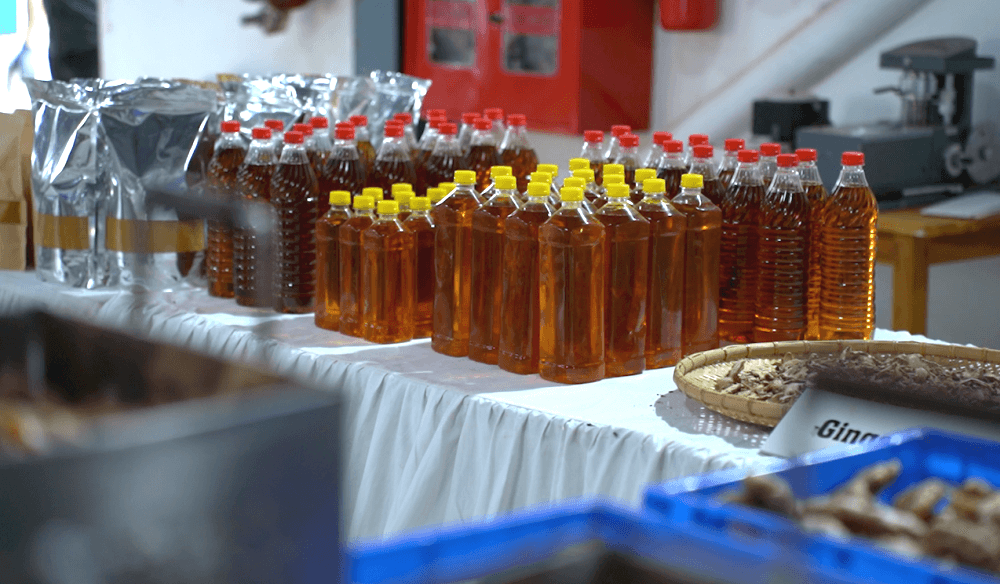
The centres will process crops such as ginger, turmeric, mustard seed, oilseeds, potatoes, millet, chilli, tomato, soybean and beans, depending on the strengths of individual districts.
Jakhalu said the mustard oil processing unit at Ganeshnagar could procure around 300 metric tonnes of mustard seed annually, generating about INR 2.1 crore in direct income for farmers. The unit is expected to produce nearly one lakh litres of mustard oil annually and generate an estimated net profit of INR 75 lakh.
She said the ginger dehydration unit at Toluvi has the capacity to process around 750 metric tonnes of ginger annually, resulting in direct procurement worth about INR 2.2 crore from farmers. The unit is expected to produce around 100 metric tonnes of dry ginger and generate an estimated annual profit of INR 75 lakh.
Jakhalu said the government intends to replicate the pilot model and establish food-processing centres in every district before 2028.
Advisor for Food Processing Achumbemo Kikon outlined what he described as the department's "Six Ps" vision — Production, Processing,
Preservation, Packaging, Pricing and Patenting — which will guide the functioning of the newly created department of Food Processing.
He said food processing has long been part of Naga households through traditional practices and urged farmers and villagers to increase production, stating that processing initiatives can succeed only when supported by adequate agricultural output.
Kikon also stressed the importance of fair and competitive pricing and the need to build markets beyond the state.