


Nagaland has urged the Centre to establish an Integrated Textile Park to strengthen handlooms, empower women artisans and scale sustainable textile production.
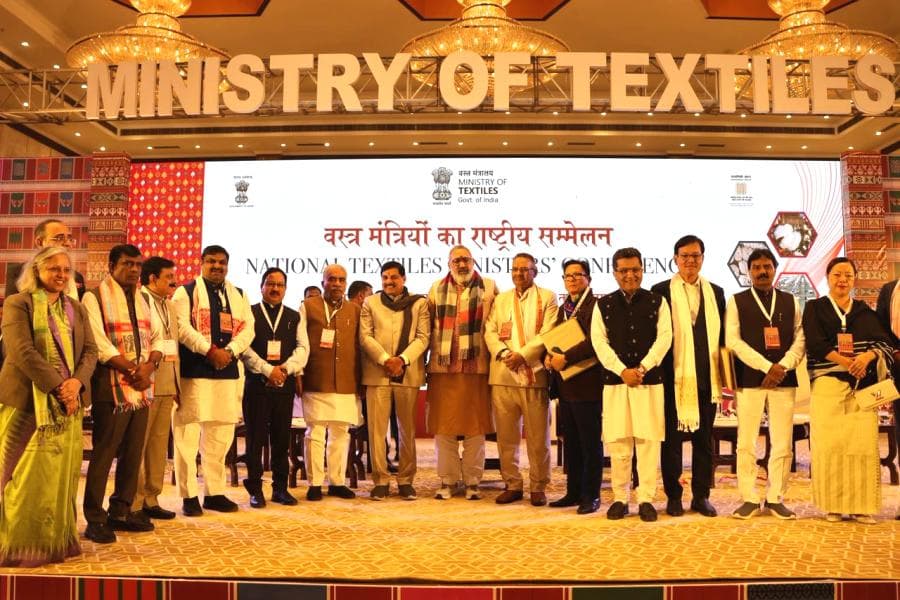
KOHIMA — Minister for Women Resource Development and Horticulture Salhoutuonuo Kruse on Thursday highlighted the untapped potential of Nagaland’s textile sector and urged the Centre to prioritise the establishment of an Integrated Textile Park (ITP) in the state under the Scheme for Integrated Textile Parks (SITP).
Kruse was representing the Nagaland government at the two-day National Textiles Ministers’ Conference organised by the Ministry of Textiles in Guwahati, Assam.
In her address, she said Nagaland’s textile sector is deeply rooted in traditional handlooms and handicrafts, with artisans from tribal communities producing distinctive, eco-friendly weaves using natural fibres such as cotton, bamboo and nettle. She noted that these products align with global sustainability trends, but said the sector continues to face challenges due to the absence of modern infrastructure, which restricts scaling up production and access to wider markets.
The minister pointed out that no Integrated Textile Park has been sanctioned in Nagaland so far, despite 59 such parks having been approved across the country, of which 22 have been completed. She said this has left the state underserved under the SITP framework.
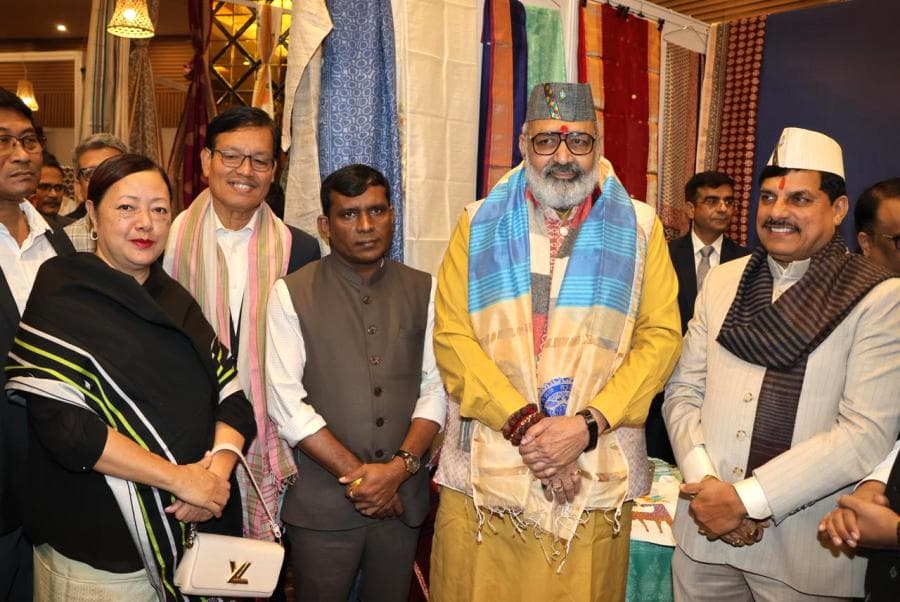
Kruse said an ITP in Dimapur or Kohima could integrate existing handloom clusters with modern facilities for weaving, dyeing and finishing, generate employment for artisans—most of whom are women—and attract high-value investments. She added that such a facility would also complement the Act East Policy and improve access to Asian and other international markets.
She expressed the view that the intervention could drive inclusive growth in the Northeast and align with national objectives of expanding textile exports, citing recent growth trends in the sector.
Referring to Nagaland’s textile industry, she said that despite its cultural richness, the state lags behind in industrial scaling. While handloom output is valued for its artisanal quality and contributes to the Northeast’s emerging status as a textile hub, as noted in the Rising Northeast 2025 report, she said Nagaland lacks the processing capacity and investment base needed to match national growth projections of 9–10 per cent for the textile sector in FY26.
To address this gap, Kruse said the state requires focused investments under the Production Linked Incentive (PLI) scheme. She said the potential of technical textiles derived from bamboo and natural dyes remains underutilised. Noting that memoranda of understanding worth INR 27,434 crore were signed nationally in 2025, she advocated ring-fencing funds for Northeastern states to enable Nagaland to attract around INR 500 crore in private investment for integrated textile units.
She also called for the formation of a joint task force comprising officials from the Ministry of Textiles and the Nagaland government to map opportunities, fast-track approvals and pilot sustainable textile hubs by FY26–27. According to her, such steps would help build resilient supply chains, empower women artisans and position Nagaland as a model for green textiles.
On policy priorities, the minister stressed the need to enhance support for cotton, eri and muga seed production, cultivation of host plants and other indigenous natural fibre sources, along with modern reeling and processing techniques. She also recommended promoting natural dyes, citing Nagaland’s biodiversity, traditional knowledge and the growing market demand for eco-friendly products.
Kruse further suggested strengthening value addition, marketing and geographical indication protection for Nagaland’s natural fibres and silk handlooms, which she said could open new opportunities and highlight the state’s unique contribution to India’s natural fibre landscape.