


Neiphiu Rio sought central support for the Foothill Road, airport, Indian Institute of Technology and All India Institute of Medical Sciences projects at the NITI Aayog meeting.
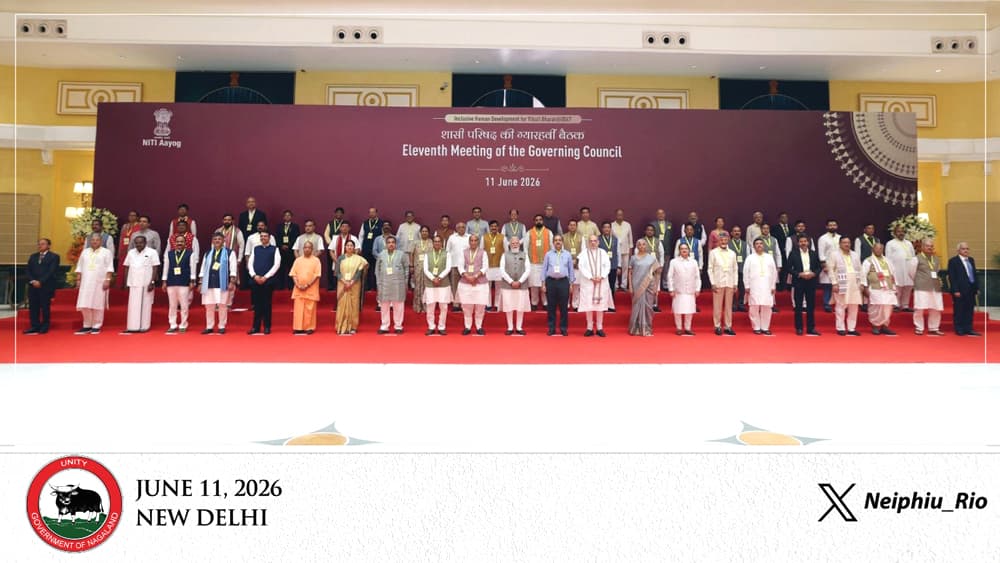
DIMAPUR — Seeking greater central support for Nagaland's development initiatives, Chief Minister Neiphiu Rio on Thursday urged the government of India to back a series of infrastructure and institutional projects, including the Foothill Road (Trans-Nagaland Highway), a Greenfield Airport at Ciethu, IIT and AIIMS in Nagaland, railway expansion and the resumption of oil and natural gas exploration.
Addressing the 11th governing council meeting of NITI Aayog in New Delhi, Rio highlighted the state's progress in governance reforms, sustainable development and human capital while outlining a roadmap for achieving the vision of Viksit Bharat @ 2047.
According to a DIPR update, the chief minister said that Nagaland has made notable gains in the Sustainable Development Goals (SDGs), particularly in gender equality (SDG-5), while Mokokchung, Kohima and Dimapur figured among the top-performing districts in the Northeast SDG Index 2.0.
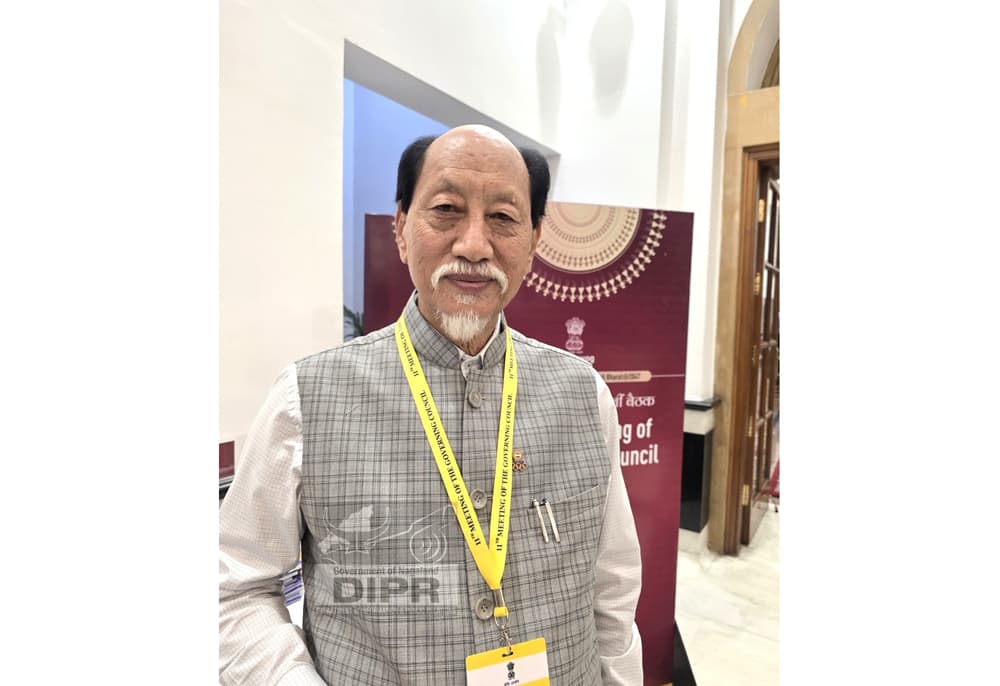
He highlighted governance reforms undertaken by the state government, including the adoption of an SDG-linked budget architecture, gender budget statement and outcome budgeting framework aimed at strengthening transparency, accountability and evidence-based planning.
On women-led development, Rio pointed to initiatives such as the Innovation Seed Fund for nano women entrepreneurs and the Pink Scooty Taxi Scheme, besides programmes under the Nagaland Strategic Water Resilience Initiative and bamboo-based value chain development.
Highlighting youth-focused interventions, he cited the Nagaland Skill and Entrepreneurship Development Mission, Nagaland Apprenticeship and Placement Exchange, Chief Minister's STEM Incentive Programme, Academic Excellence Corpus and Open Learning Support Scheme.
The chief minister also outlined ongoing fiscal reforms, including modernisation of land revenue systems, e-Stamping, e-GRAS digital revenue platforms and the establishment of a Revenue and Development Fund Mobilisation Cell.
In the agriculture sector, he stressed the need to strengthen food processing and post-harvest infrastructure while promoting coffee cultivation through cluster-based value chains and expanding high-value horticulture crops such as kiwi, persimmon, dragon fruit, avocado and pineapple.
Rio also underscored the economic potential of tourism and culture, pointing out that Mini Hornbill Festivals and the annual Hornbill Festival continue to promote Nagaland's cultural heritage while generating livelihood opportunities for artisans, weavers, performers and small entrepreneurs.
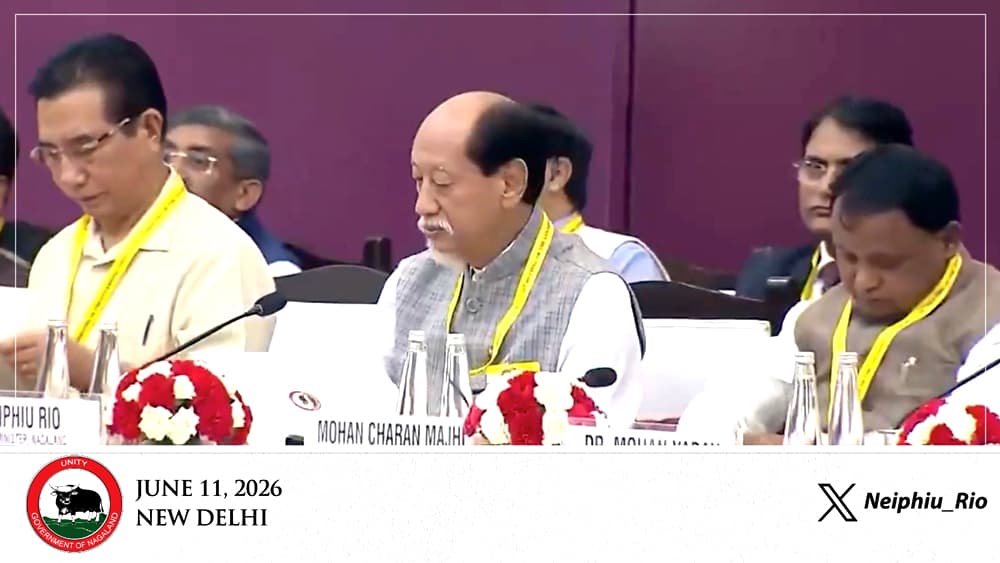
Speaking on the theme ‘Human Capital for Viksit Bharat @ 2047,’ the chief minister highlighted initiatives in school education, skill development, higher education and digital governance, including Lighthouse School Complexes, the Smile App for teacher attendance monitoring, the Morung Concept of Education, AI-skilling programmes and the Centre of Excellence–Industry 4.0 at NTTC Dimapur.
He further highlighted sports initiatives such as the ‘Catch Them Young, Teach Them Right’ tournament and the Nagaland Super League, alongside investments in sports infrastructure across districts.
Rio also showcased digital governance initiatives, including the Personal Information Management System (PIMS), Nagaland State Data Sharing and Accessibility Policy, Common Scholarship Portal, Chief Minister's Micro Finance Initiative Digital Portal and the proposed AI Research Centre at Kohima.
Seeking continued support from the Centre, the chief minister requested assistance for major infrastructure projects, including the Foothill Road, Greenfield Airport at Ciethu, IIT and AIIMS in Nagaland, Nagaki City development, railway expansion, inland waterways, urban flyovers, power transmission infrastructure and promotion of agarwood cultivation, besides the resumption of oil and natural gas exploration.
Expressing confidence in the outcomes of the meeting, Rio said that the deliberations would strengthen cooperative federalism and contribute to building a stronger, more resilient and developed India.