


Nagaland reports a 19% drop in tuberculosis incidence and an 18% decline in TB-related deaths since 2015.
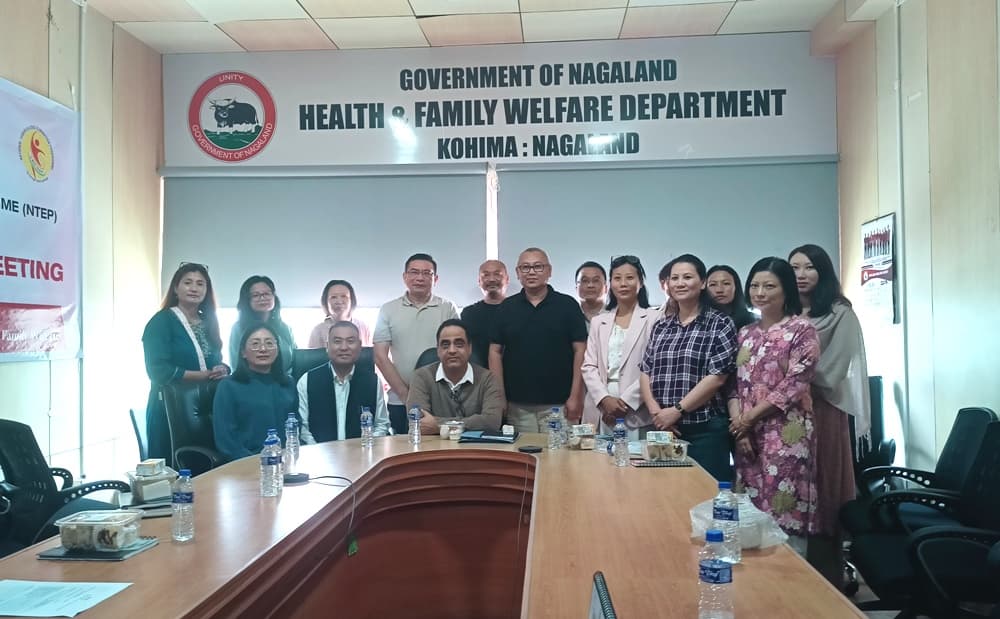
KOHIMA — Nagaland recorded a 19% reduction in tuberculosis (TB) incidence and an 18% decline in TB-related deaths between 2015 and 2023, but health officials on Thursday cautioned that the disease remains a major public health challenge, with more than half of newly detected patients showing no symptoms.
The figures were highlighted during the State TB Forum meeting held in Kohima.
According to State TB Officer under National TB Elimination Programme (NTEP), Dr. Akum Jamir, a total of 853 TB cases were notified in the state, of which 440 cases, or 53%, were asymptomatic.
He said that the findings underscore the importance of active screening and early detection to prevent transmission and ensure timely treatment.
Dr. Jamir informed the forum that 505 TB screening and health camps (Shivirs) had been organised across the state, recording 30,926 footfalls.
Also read: Nagaland tuberculosis incidence drops to 160 per lakh; 200 villages TB-free
He added that 64% of vulnerable individuals underwent X-ray screening, while 92% of notified cases were confirmed through nucleic acid amplification testing (NAAT).
Under the NTEP, Nagaland currently covers 133 primary health centres (PHCs) and urban primary health centres (UPHCs), along with 396 sub-health centres serving 1,390 villages and wards.
The programme covers a population of approximately 16.39 lakh, of which 6.19 lakh people in 344 villages and urban local bodies have been identified as belonging to high-risk groups.
A total of 1,379 Accredited Social Health Activists (ASHAs) have been mapped for the campaign.
Addressing the gathering, Commissioner and Secretary of Health and Family Welfare, Anoop Khinchi, called for intensified and coordinated efforts to achieve the goal of a TB-free Nagaland.
He said that the government of India has made TB elimination a national priority, while stating that states must align their efforts with the national mission to eliminate the disease.
The officer stressed the need to strengthen Jan Bhagidari, or public participation, by involving elected representatives, government officials and corporate organisations through Corporate Social Responsibility initiatives.
He urged greater support for the Nikshay Mitra programme, which provides nutritional assistance to TB patients under the Pradhan Mantri TB Mukt Bharat Abhiyaan.
Khinchi also called for expanding screening and early detection efforts by setting up TB screening kiosks during fairs and festivals across the state.
Highlighting the role of private healthcare institutions, he suggested deploying diagnostic machines and trained technicians in private hospitals to facilitate wider testing and screening among patients seeking treatment outside government facilities.
The commissioner further called for stronger collaboration with the Nagaland State Rural Livelihoods Mission, village-level organisations and self-help groups to expand awareness and sensitisation activities at the grassroots level.
Also, Dr. Jamir said that the State TB Forum seeks to engage policymakers and implementers in ensuring justice, rights and dignity for TB patients while promoting patient-friendly policies, reducing stigma and improving access to social security schemes and treatment services.
Representatives from the Nagaland State Rural Livelihoods Mission, KNP+, ARK and TB Champions attended the meeting.