


Kiphire schools face a 304-teacher gap, crumbling infrastructure and shortages of classrooms, toilets, drinking water and learning facilities
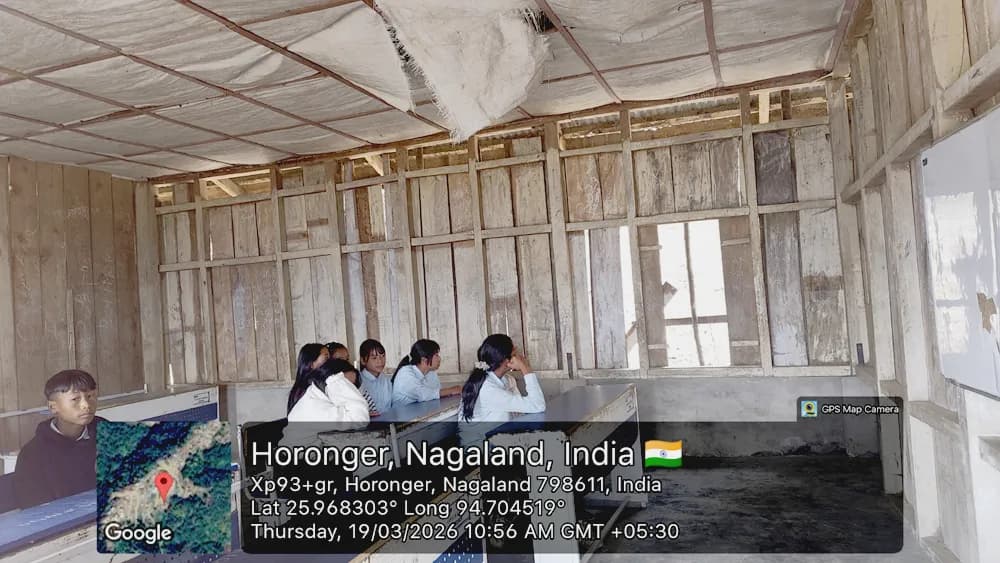
DIMAPUR — A shortage of 304 teachers, crumbling school buildings and gaps in basic facilities are affecting government schools across Kiphire and adjoining Sangtam areas, according to an assessment by the United Sangtam Students’ Conference (USSC).
The field assessment, accessed by Eastern Mirror, found schools struggling with shortages of subject teachers, classrooms, toilets and safe drinking water, besides poor road connectivity and inadequate mid-day meal facilities.
The situation, it stated, is also forcing some families to send their children to urban or semi-urban areas in search of better educational opportunities.
USSC president Adekhing I Sangtam told this newspaper that the shortage of subject teachers was particularly acute in Mathematics, Science and English.
He said that the student body had repeatedly raised the issue with the School Education department, but was told that teachers could not be deployed where enrolment was low.
Also read: Crumbling schools, lone teachers: KSU flags education crisis in Mon
Sangtam questioned how schools could attract students when they did not have adequate teachers.
“Parents are sending their students out of their homes particularly to urban or semi-urban areas to live with someone’s family in exchange of education,” he said, adding that families were being forced to make difficult decisions in search of better education.
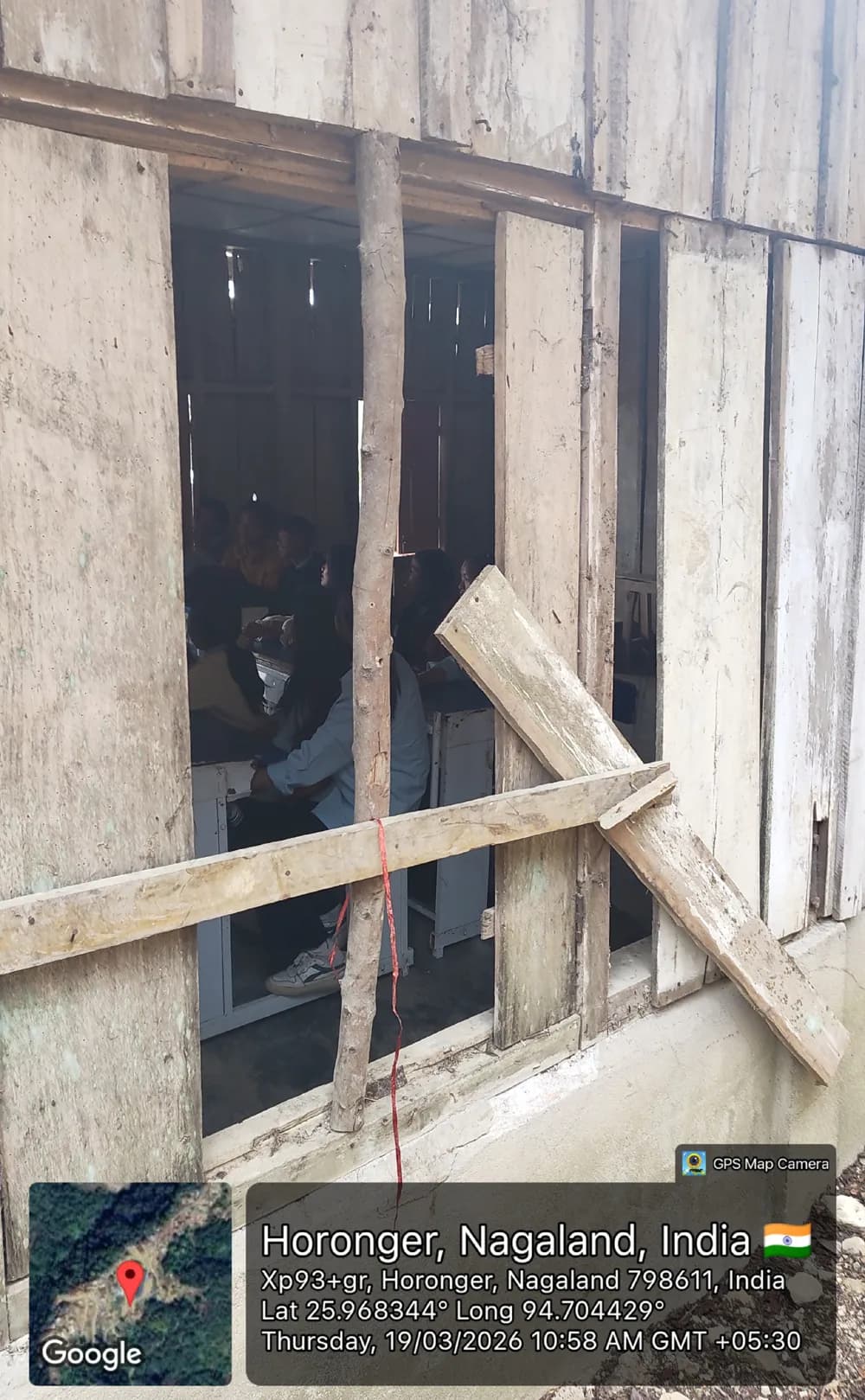
According to the USSC assessment, 105 teachers are required for 34 government schools in the Longkhim-Chare area alone.
Longmatra has a requirement of 43 teachers, described by the student body as the highest shortage among the assessed areas within Kiphire district. The Kiphire area requires 17 teachers, while Amatator requires 19, and Seyochung and Sitimi require 10 each.
Beyond teacher shortages, the USSC field assessment found that schools across the areas commonly lacked separate toilets for boys and girls, safe drinking water, adequate classrooms and hygienic mid-day meal kitchens.
Some schools also lack libraries, smart classrooms, science laboratories and boundary walls.
Sangtam said that limited classroom space meant that students from two classes sometimes had to share a room, making learning difficult. The absence of halls or conference rooms also limited extracurricular activities, he added.
The student body further flagged deteriorating school buildings, including crumbling roofs and walls, as well as poor road connectivity to some institutions.
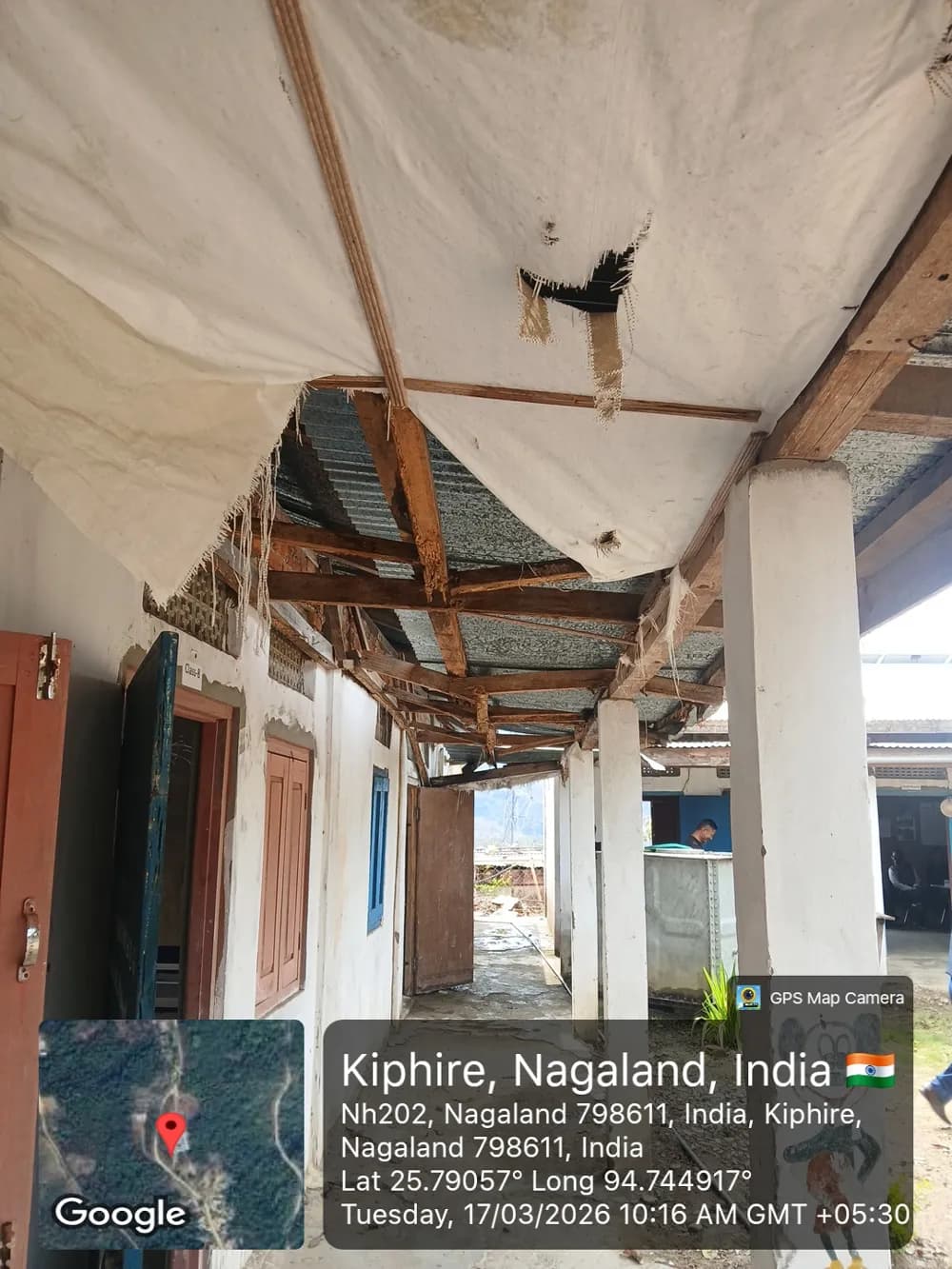
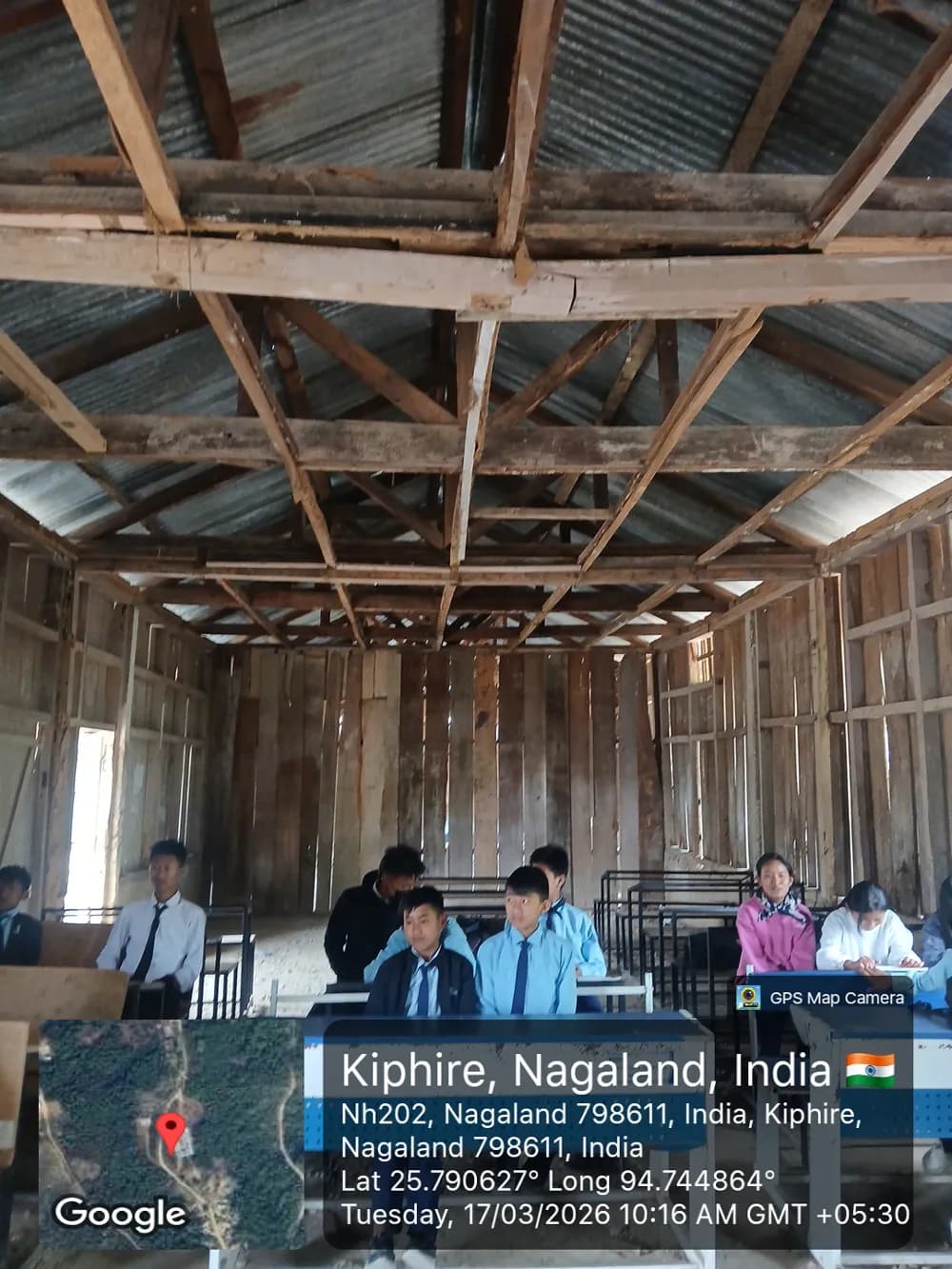
Sangtam maintained that the condition of government schools was contributing to an increase in dropouts, particularly among girls and children from economically disadvantaged families.
“Currently, students graduating from the terminal class from a school must travel long distances across challenging hilly terrain or migrate to urban centres to continue their education,” he said.
He acknowledged that schools covered under the Nagaland Education Project — The Lighthouse (NECTAR) were performing better, but described the project as one of the few significant improvements seen in government schools in the area.
The USSC has urged the School Education department to review the requirements identified in its assessment and sanction necessary budgetary allocations on a priority basis.

The student body also raised concerns about government schools serving Sangtam villages in Dimapur, Chümoukedima and Peren districts, citing shortages of subject teachers and requirements for classrooms, smart classes, libraries, laboratories, IT rooms, fencing, drinking water and separate toilets.
The USSC asserted that some schools in these areas also require better road connectivity, while GMS Sangtamtilla has been identified for upgradation to a Government High School.
JOIN OUR WHATSAPP CHANNEL