


An inspection by the Phom Students’ Conference exposed leaking roofs, textbook shortages and poor infrastructure in schools across Longleng district.
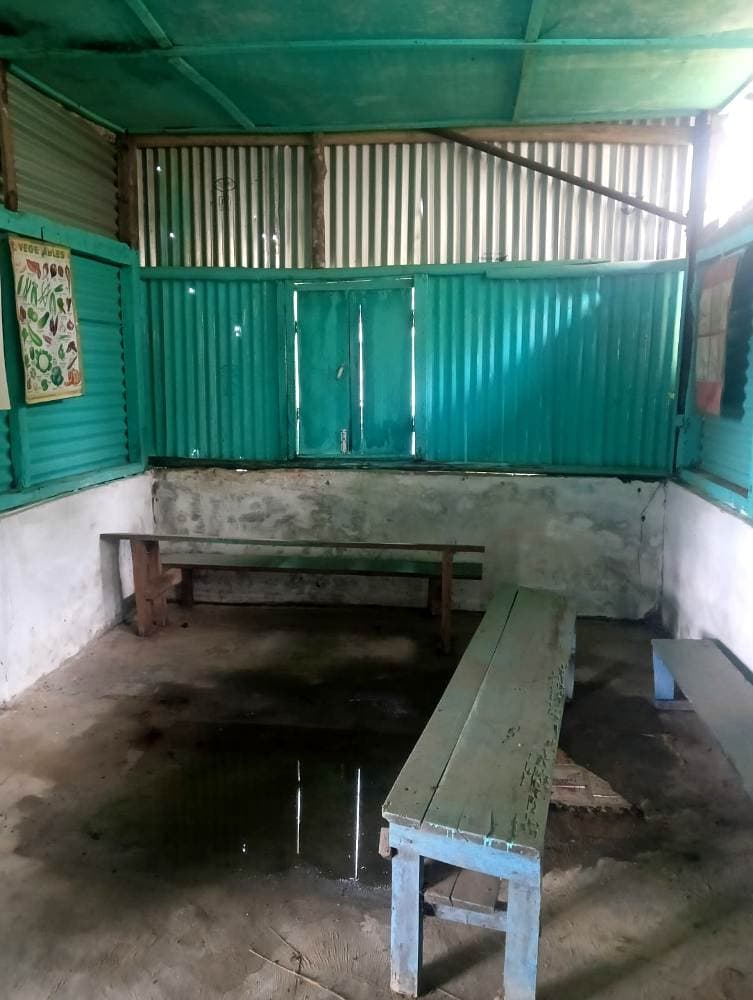
DIMAPUR — A joint educational tour conducted earlier this month by the District Education Office (DEO), Samagra Shiksha and the Phom Students’ Conference (PSC) has exposed the poor state of government schools in Tamlu and Bura Namsang areas of Longleng district.
The inspection brought to light long-standing deficiencies in infrastructure, academic resources and implementation of government schemes, raising concerns over whether students in remote areas are receiving the educational support guaranteed under the Right to Education Act.
According to the PSC, students in several schools reported attending classes without textbooks for months as supplies under the free textbook scheme failed to reach them on time.
The inspection team also found that while Midday Meals were being served regularly, the quantity provided was often insufficient to meet students’ needs.
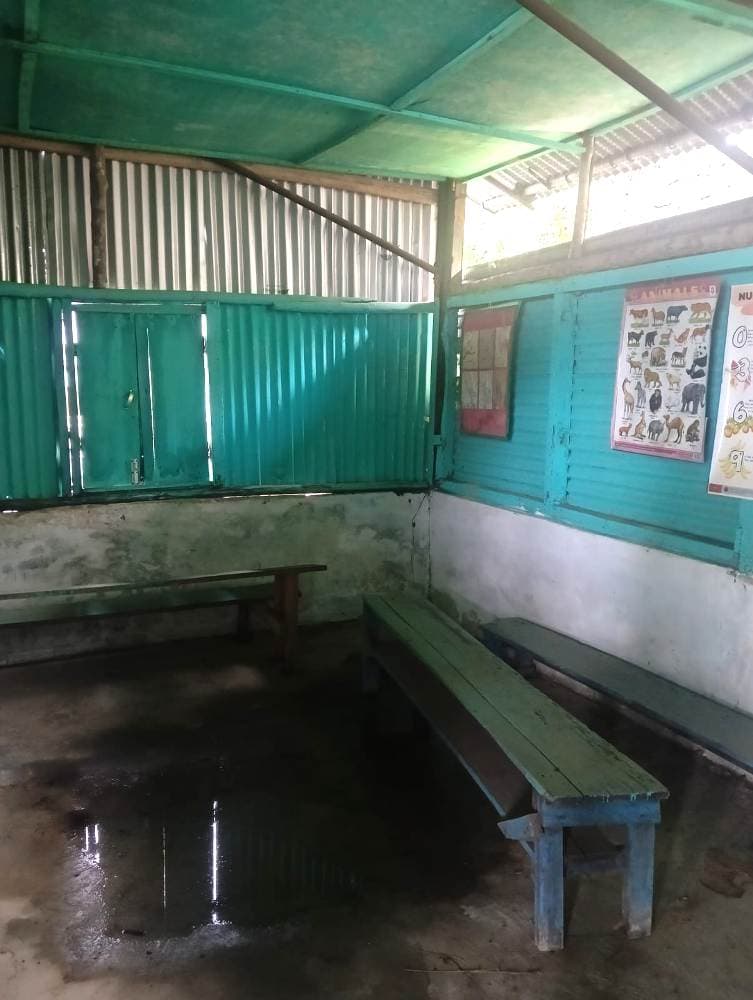
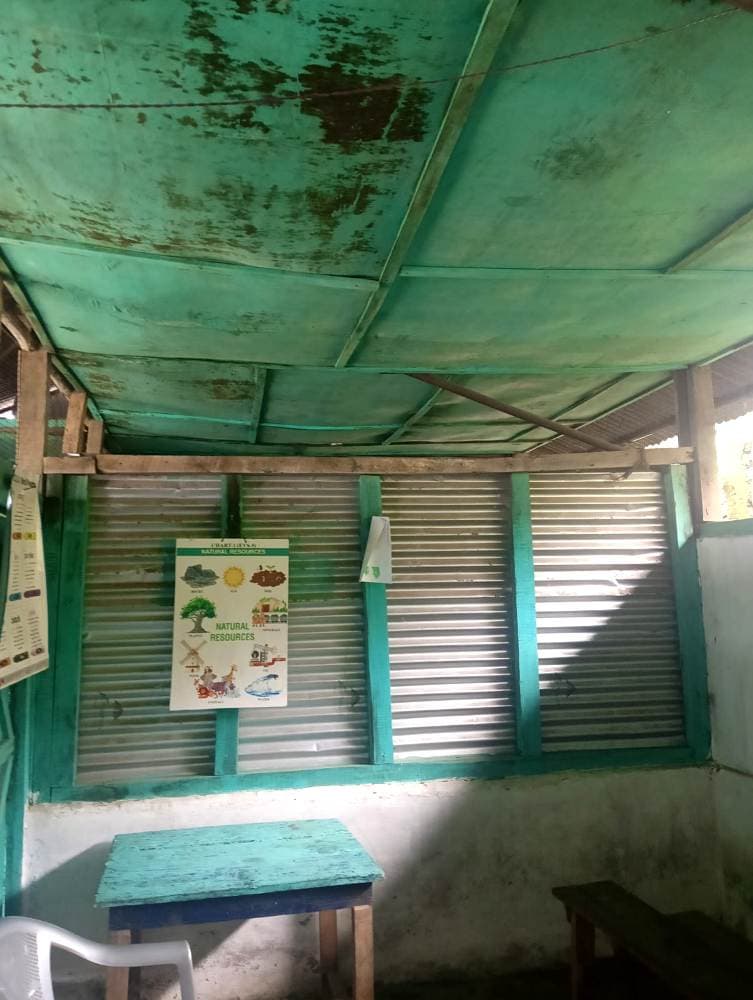
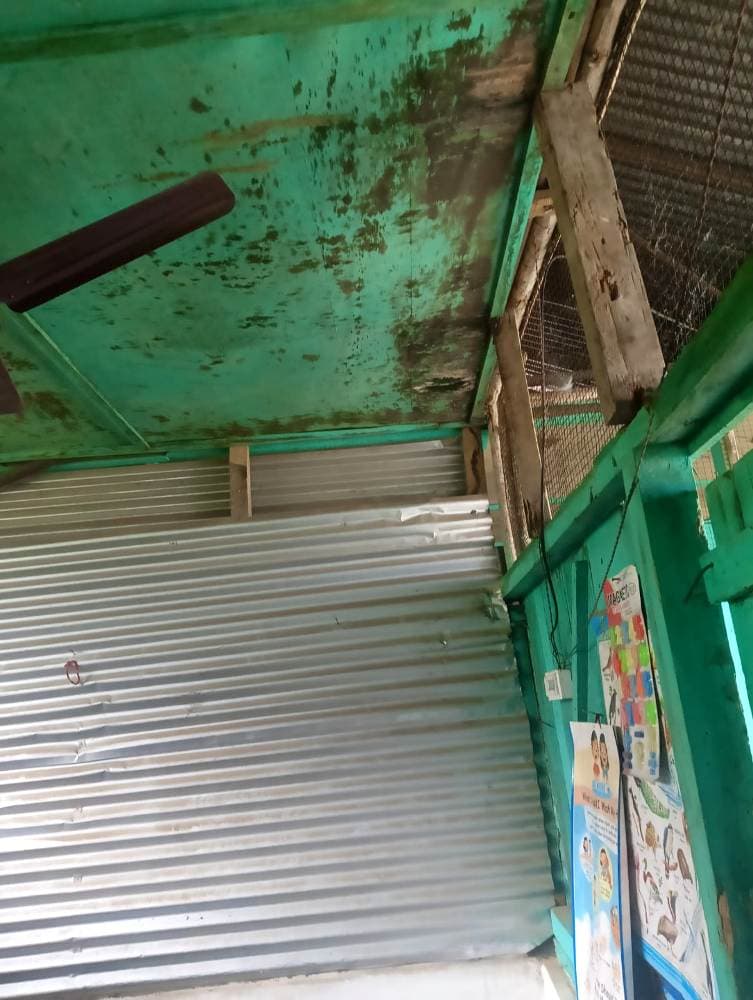
In addition, several school buildings were found to be in a dilapidated condition, requiring urgent repair and maintenance.
Also read: Nagaland: Education hangs by a thatch roof in remote Longleng village
The student body further highlighted problems with the distribution of school uniforms under government schemes.
According to PSC president Sham-e Phom, uniforms often reached schools only in the middle of the academic year and were frequently of the wrong size despite students’ measurements having been taken in advance.
As a result, many students were forced to attend classes in oversized uniforms, outgrown clothes or casual attire.
The PSC inspected 16 schools in the Tamlu and Bura Namsang areas, including institutions in Kangching, Tamlu Town, Tamlu Village, Bura Namsang, Shemnyuching, Namhaching, Shetap, Yonglok and Anakhai.
The inspection assessed infrastructure, availability of educational materials and implementation of government schemes.
According to Phom, these shortcomings have left communities, student leaders and teachers struggling to retain students while raising serious concerns about the effectiveness of flagship education programmes in remote parts of the state.
He said that most schools visited were in a poor condition, with leaking roofs, damaged walls and unsafe classrooms. Some buildings, he said, were not fit for students to occupy.
Phom also pointed to the persistent shortage of textbooks, describing it as a long-standing problem that continues to disrupt teaching and learning.
“Unless urgent steps are taken to repair infrastructure and ensure timely supply of textbooks, the quality of education will continue to decline and students in rural areas will remain the worst affected,” he said.
On the issue of school uniforms, Phom lamented the poor fitting and irregular distribution of supplies.
He said that many students were left looking untidy despite measurements being collected in advance, while others had no option but to wear personal clothing to school.
He argued that improper sizing and delayed distribution undermine the purpose of a uniform policy, which is intended to promote discipline, equality and a sense of belonging among students.
“Ill-fitting uniforms affect students’ confidence and create a sense of inequality in the classroom,” he said, calling for stricter quality checks and timely distribution.
Phom also highlighted shortcomings in the Midday Meal scheme. While meals were being served regularly, he said that the quantity provided often did not correspond with actual student enrolment, forcing schools to ration portions.
“The scheme cannot succeed if schools are left to make adjustments on their own,” he said.
The student leader further flagged a shortage of teachers across several schools, saying it was disrupting the teaching-learning process and adversely affecting the student-teacher ratio.
While acknowledging that declining enrolment and irregular attendance have contributed to teacher absenteeism in some cases, he maintained that schools in the Tamlu and Bura Namsang areas are genuinely understaffed.
He called for a fresh survey to assess actual staffing requirements and urged the government to redeploy surplus teachers to schools facing shortages.
“Unless these gaps are addressed, students in these areas will continue to be deprived of their right to quality education despite the existence of government schemes,” he said.
Phom pointed out that schools receiving support under the Nagaland Education Project – The Lighthouse (NECTAR) were generally in better condition than those outside the programme.
Schools without NECTAR intervention, he said, continued to face severe infrastructure challenges, which he believed contributed to declining enrolment.
He also acknowledged the efforts of churches, village communities and student leaders who have been supporting schools despite limited resources.
Although some improvements had been observed since a similar inspection conducted by the student body in 2023, Phom maintained that the changes were insufficient to ensure meaningful educational progress.
“The ground reality in most schools still falls short of the standards envisioned under the Right to Education Act. Basic entitlements such as safe classrooms, adequate teachers and learning materials remain absent,” he said.
Based on the findings of the inspection, the PSC urged the department to immediately address the issues identified.
The student body called for urgent repair and maintenance of dilapidated school infrastructure, accurate measurement and timely distribution of uniforms, and adequate supply of textbooks before the start of each academic session.
It also recommended stronger monitoring and quality checks to ensure sufficient and regular Midday Meals, as well as the deployment or recruitment of adequate teaching staff in the Tamlu and Bura Namsang areas.
“Partial fixes will no longer suffice,” Phom said, calling for a district-level action plan accompanied by monthly progress reviews.