


Nagaland Assembly seeks withdrawal of proposed FCRA Bill, citing concerns over churches, charities, minority rights and constitutional safeguards
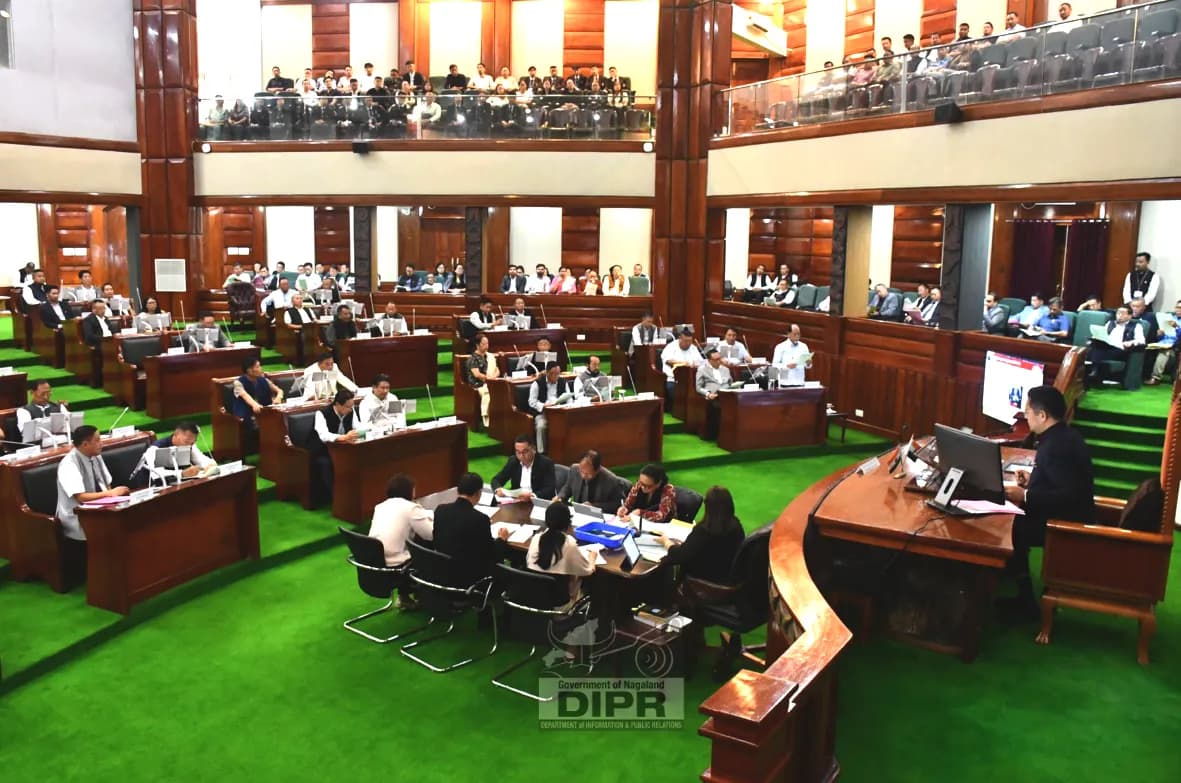
KOHIMA — The Nagaland Legislative Assembly on Tuesday urged the Centre to withdraw the proposed Foreign Contribution (Regulation) Amendment Bill, 2026, with members expressing concerns over its potential impact on churches, charitable institutions and other minority organisations.
Initiating a discussion on the Bill under Rule 50, Advisor Achumbemo Kikon said the proposed amendments could make it more difficult for churches, NGOs and charitable organisations to obtain or renew Foreign Contribution (Regulation) Act (FCRA) registrations.
He said the matter was particularly sensitive for Nagaland, where churches and faith-based institutions have a significant role in education, healthcare, social welfare and community development.
Kikon referred to the non-renewal of the FCRA registrations of the Diocese of Kohima and Development Association of Nagaland in 2024. He explained that the organisations had approached the state government and Ministry of Home Affairs over the issue, but the matter remained unresolved.
Also read: CM Rio urges wider scrutiny of FCRA Bill, says Nagaland’s concerns must be addressed
He also cited concerns raised by church leaders over provisions in the proposed Bill relating to the cessation of rights, appointment of designated authorities and the custody, management or disposal of assets created wholly or partly through foreign contributions.
Kikon maintained that such provisions required careful examination in the context of constitutional protections under Articles 25, 29 and 30, as well as Nagaland's special constitutional position under Article 371A.
He urged the government to withdraw the proposed legislation and called on the Joint Parliamentary Committee (JPC) examining the Bill to provide ample opportunity for churches, minority organisations, civil society groups and other stakeholders to present their views.
Advisor Kudecho Khamo, participating in the discussion, acknowledged the government's stated objectives of regulating foreign contributions, improving transparency and protecting national interests.
However, he said several provisions had raised serious concerns among churches and charitable institutions, particularly those relying on legitimate foreign contributions for humanitarian, educational, healthcare and community development activities.
Khamo expressed concern over provisions that would empower a designated authority to take over, manage, supervise or dispose of certain assets if an organisation's FCRA registration is cancelled, allowed to lapse or not renewed.
He said the proposed changes could impose additional regulatory burdens on smaller churches and grassroots organisations with limited administrative capacity and potentially disrupt long-standing international partnerships.
Advisor P Longon said the issue should not be viewed as a Hindu-Christian matter but as one concerning all Nagas and the constitutional rights of religious minorities.
He alleged that several small Baptist education societies in Nagaland had faced delays in the renewal of their FCRA registrations and questioned the absence of detailed state-wise data on FCRA registrations and cancellations.
Longon said FCRA funds received through lawful and transparent means supported infrastructure and humanitarian services, including healthcare, education and welfare programmes.
While acknowledging the need to regulate foreign contributions and penalise organisations that violate the law, he cautioned against measures that could affect institutions built over decades through both foreign and domestic contributions.
He urged the Assembly to request the JPC to conduct wider stakeholder consultations, publish greater information on FCRA cancellations and reconsider provisions relating to the designated authority and asset management.
The members also pointed to the role of churches and NGOs in providing education, healthcare, relief, peacebuilding and other social services, particularly in remote and economically disadvantaged areas.
The proposed Bill was introduced in Parliament on March 25 and referred to a 31-member JPC on August 12 for further examination.
Kikon said any changes to the FCRA should follow a broad-based consultative process involving state governments, churches, faith-based organisations, civil society institutions and development agencies.
Advisor Temjenmenba and MLA Y Mankhao Konyak also participated in the discussion.
JOIN OUR WHATSAPP CHANNEL