


CM Neiphiu Rio seeks wider scrutiny of proposed FCRA amendments, urging safeguards for Nagaland’s churches and charitable institutions
KOHIMA — Chief Minister Neiphiu Rio on Tuesday called for wider parliamentary scrutiny and stakeholder consultations on the proposed Foreign Contribution (Regulation) Amendment Bill, 2026, saying concerns raised by Christian organisations in Nagaland must be addressed.
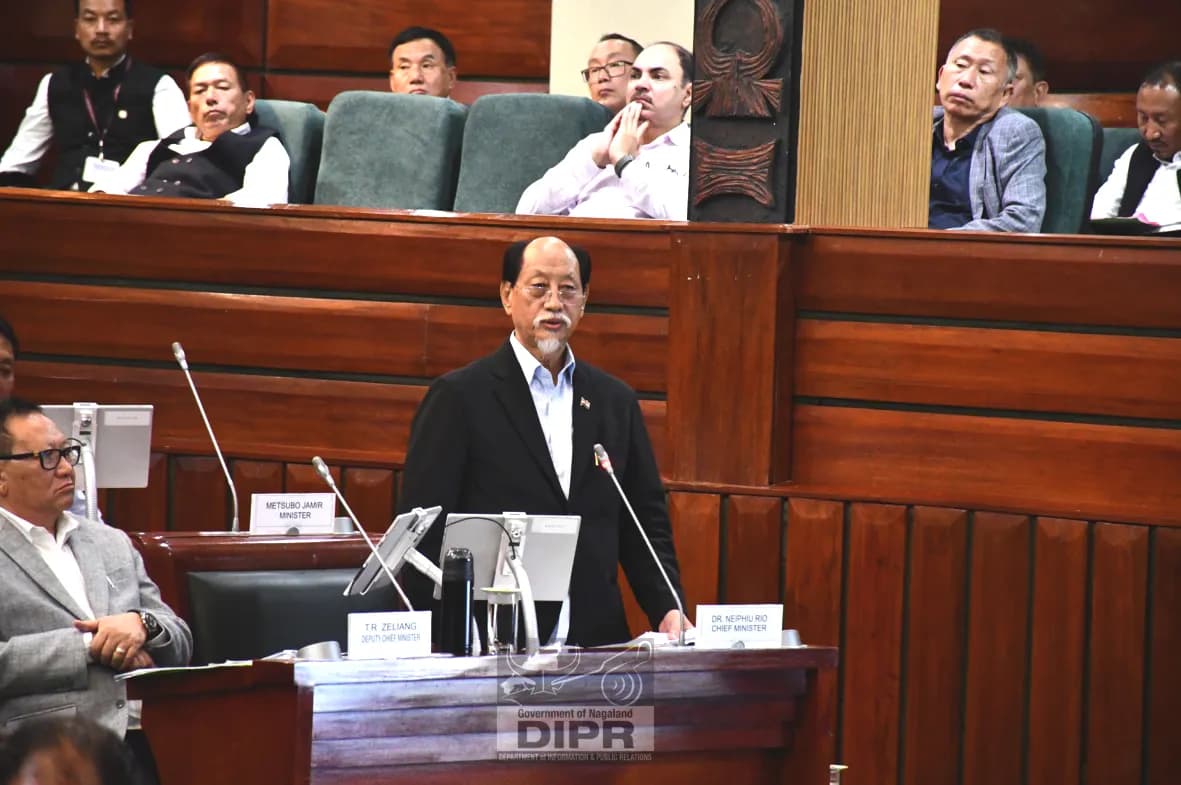
Concluding a discussion on the Bill in the Nagaland Legislative Assembly, Rio said the proposed amendments had generated widespread concern among Christian organisations and other sections of society, particularly over their potential impact on charitable, educational, healthcare and humanitarian activities.
He said organisations including the Nagaland Baptist Church Council (NBCC), Diocese of Kohima and Nagaland Joint Christian Forum had approached him, seeking that their concerns be taken up with the government of India.
According to Rio, he had held consultations with Christian leaders on August 9 to understand the difficulties and apprehensions faced by churches and Christian organisations in the state. Following the discussions, he wrote to the Union home minister seeking greater parliamentary scrutiny and wider stakeholder consultations on the proposed amendments.
He welcomed the subsequent decision to refer the FCRA Amendment Bill to a Joint Parliamentary Committee (JPC), stating that the move would provide an opportunity to address genuine concerns and build greater public confidence in the proposed regulatory framework.
Also read: LS refers FCRA bill to joint committee
Rio said the issue was particularly significant for Nagaland, where Christians constitute more than 90% of the population and churches have historically played a major role in education, healthcare, social welfare, poverty alleviation and humanitarian assistance.
He said legitimate foreign contributions and international partnerships had supported several such activities, particularly in remote and economically disadvantaged areas.
According to Rio, increasingly stringent FCRA regulations and compliance requirements had already placed financial and administrative burdens on churches and charitable organisations. He expressed concern that the proposed amendments could further compound these challenges and affect programmes serving vulnerable sections of society.
“The difficulties are even more acute for smaller institutions working at the grassroots level,” he said, noting that many operate with limited resources while serving remote and underserved communities.
Rio also referred to cases where FCRA renewal applications of organisations in Nagaland had reportedly been declined over allegations relating to the utilisation of funds for religious conversion.
He cited the Missionaries of Charity as an example, saying its FCRA registration was denied in 2021 before being subsequently renewed following public concerns and a review.
“Considering that more than 90% of our population is Christian, cases of renewal of FCRA registration here also merit sensitive examination, especially in the context of the nature and purpose of activities actually undertaken by the organisations concerned,” Rio said.
He stressed that legitimate charitable, educational, healthcare and social welfare activities should not be adversely affected by broad or generalised assessments, particularly where organisations had otherwise complied with applicable laws and regulations.
“Given the distinctive social and geographic context of Nagaland, it is crucial that such cases are examined objectively and on an individual basis,” he said.
Rio also highlighted the contribution of churches and Christian organisations during natural disasters and the Covid-19 pandemic, stating that their humanitarian role demonstrated the importance of ensuring that legitimate activities were not disrupted.
He highlighted that Christian institutions had contributed to Nagaland’s development for more than a century, particularly in education and healthcare, and maintained longstanding partnerships with institutions and churches outside the country.
“The contribution of Christian institutions in India's nation-building process is undeniable,” he said.
At the same time, Rio said the state government recognised the responsibility of the government of India to ensure transparency, accountability and compliance with the law.
However, he stressed that genuine charitable, educational, healthcare and humanitarian institutions should not be inadvertently affected or placed under uncertainty by changes to the regulatory framework.
Rio said the state government would continue engaging with stakeholders and the government of India to ensure that the legitimate concerns of church bodies and other institutions were addressed.
He expressed confidence that the JPC would provide an opportunity for wider consultation and help remove apprehensions surrounding the proposed legislation.
JOIN OUR WHATSAPP CHANNEL