


Dimapur CSOs back NLTP Act repeal, plan representation to CM after consultations citing enforcement failure and widespread illegal liquor availability.
DIMAPUR — The NLTP Act Repeal Committee, backed by several Dimapur-based civil society organisations (CSOs), has decided to submit a representation to the chief minister seeking repeal of the Nagaland Liquor Total Prohibition (NLTP) Act, 1989, following months of consultations.
The decision was taken at a joint consultative meeting held at the Naga Council Dimapur conference hall on Monday, attended by representatives of multiple organisations, including Naga Council Dimapur, Dimapur Urban Colony Chairmen Federation, Dimapur Naga Students’ Union, Naga Women Hoho Dimapur, Dimapur District GB Association and Dimapur Chamber of Commerce and Industries, among others.
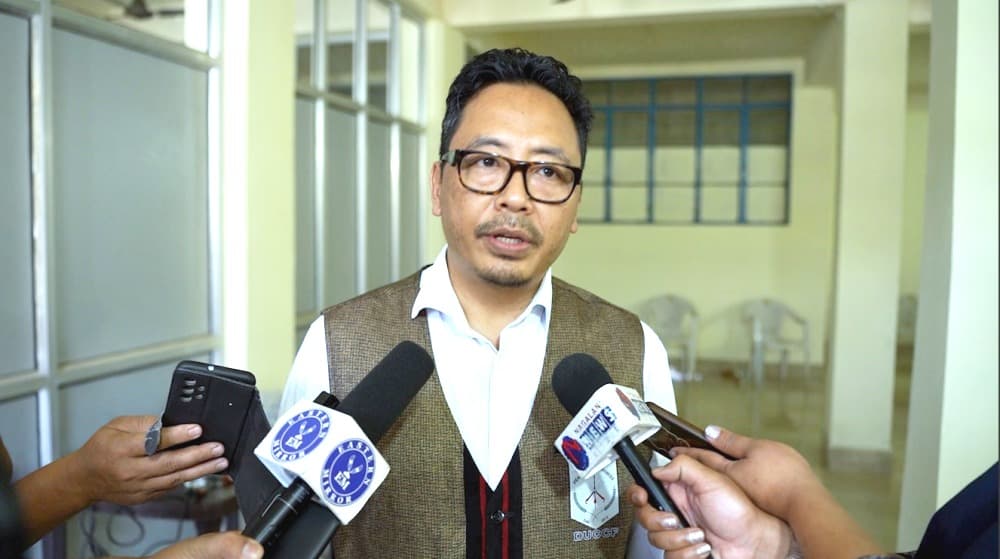
Addressing media persons after the meeting, NLTP Act Repeal Committee general secretary Dr. Kahuka Sema said the representation, unanimously approved by members present, would be submitted within the week, marking the culmination of the committee’s deliberations.
He said the committee had assessed various possible outcomes, including opposition from church bodies, and would continue consultations irrespective of the government’s decision.
Also read: Nagaland: Tobacco cost doubles in cases, but demand remains
Citing findings from the committee’s survey, Sema claimed that over 2,000 liquor outlets are currently operating across Dimapur, including East Dimapur and Chümoukedima, despite the state being officially dry.
He said enforcement has been ineffective due to limited manpower in the Excise department, adding that alcohol remains easily accessible even at late hours, which he termed as evidence of the Act’s failure.
WATCH MORE:
Sema also said the committee has not received any formal communication from church bodies, although their views have been expressed through print media.
On support for repeal, he said more than 11 CSOs, 23 villages in and around Dimapur, and eight villages from East Dimapur have backed the move. He added that consultations with over 20 tribal groups indicated that nearly 80% were in favour of repealing the law.
He expressed hope that the state government would consider the “logic and ground realities” presented and take a decision on lifting the Act.