


Tobacco prices in Nagaland have surged sharply due to tax hikes, but demand remains steady as users cut back or switch to cheaper alternatives.
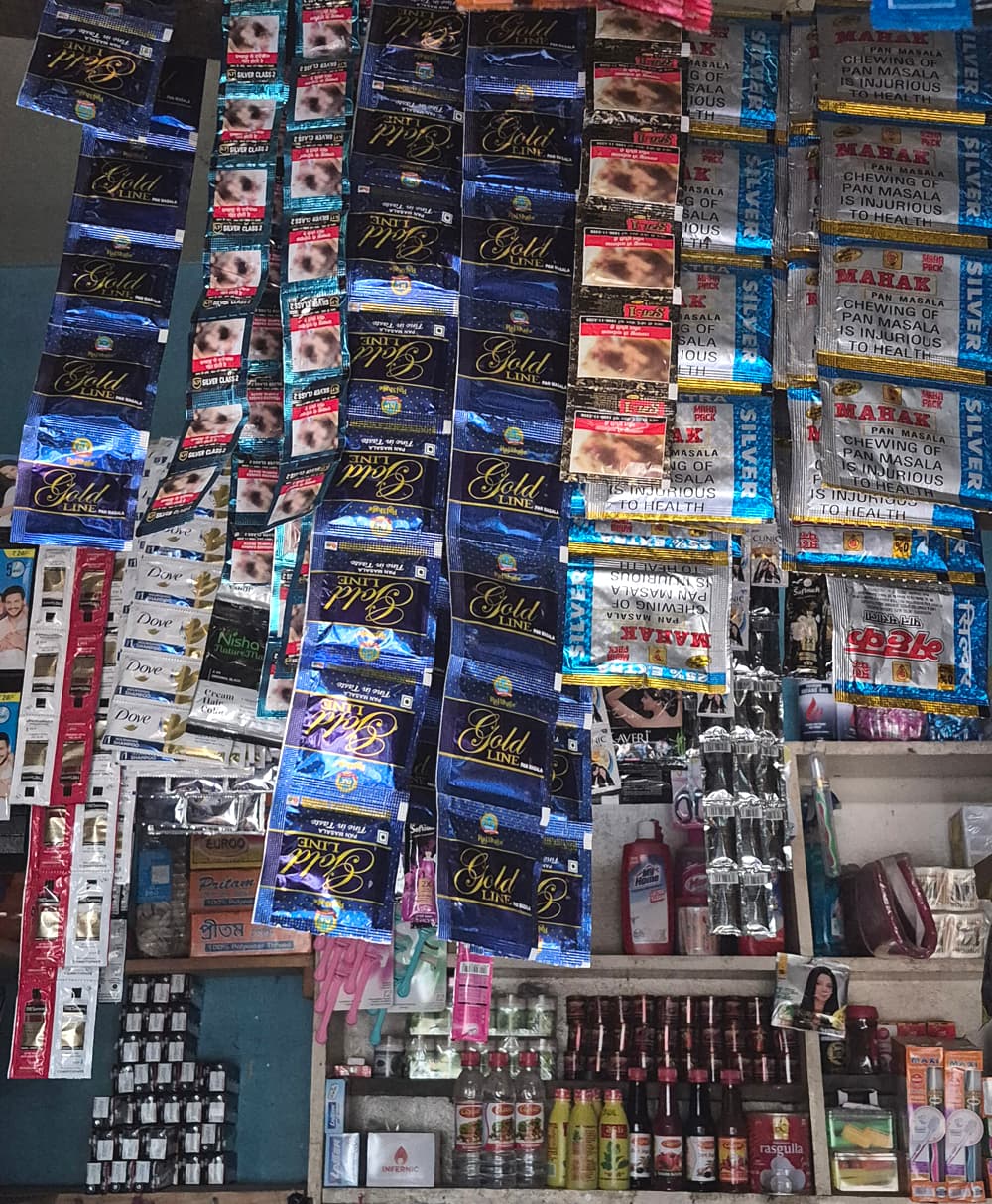
DIMAPUR — As tobacco prices quietly climb across Nagaland, shop counters across Dimapur are becoming the frontlines of a slow but telling shift—where users are paying more, trimming consumption, or switching brands, yet rarely giving up the habit altogether.
Triggered by recent tax hikes on tobacco products by the government of India, cigarette and chewing tobacco prices have risen noticeably across the state.
Retailers in Dimapur and nearby areas told Eastern Mirror that cigarette prices have gone up by around INR 20 per pack, while chewing tobacco—particularly the most popular brands—has seen sharper increases ranging between INR 10 and INR 40.
The most striking jump has been in chewing tobacco, which remains widely consumed across both urban and rural Nagaland.
Among these, Shikhar—one of the most commonly used brands—has recorded a steep spike. A packet that previously sold for around INR 40 is now being sold for nearly double in some outlets, driven by higher wholesale prices and market adjustments, even though the printed maximum retail price (MRP) often remains unchanged.
Also read: Rainy spell ahead for Nagaland as IMD flags week-long thunderstorms
Other well-known brands such as Talab, Siggnature, and Rajnigandha have also witnessed price increases, though not as dramatic.
Retailers point out that while wholesale costs have surged, MRPs have not been revised accordingly. In some cases, companies are reportedly compensating by reducing the quantity per packet, effectively raising prices without formally changing labels.
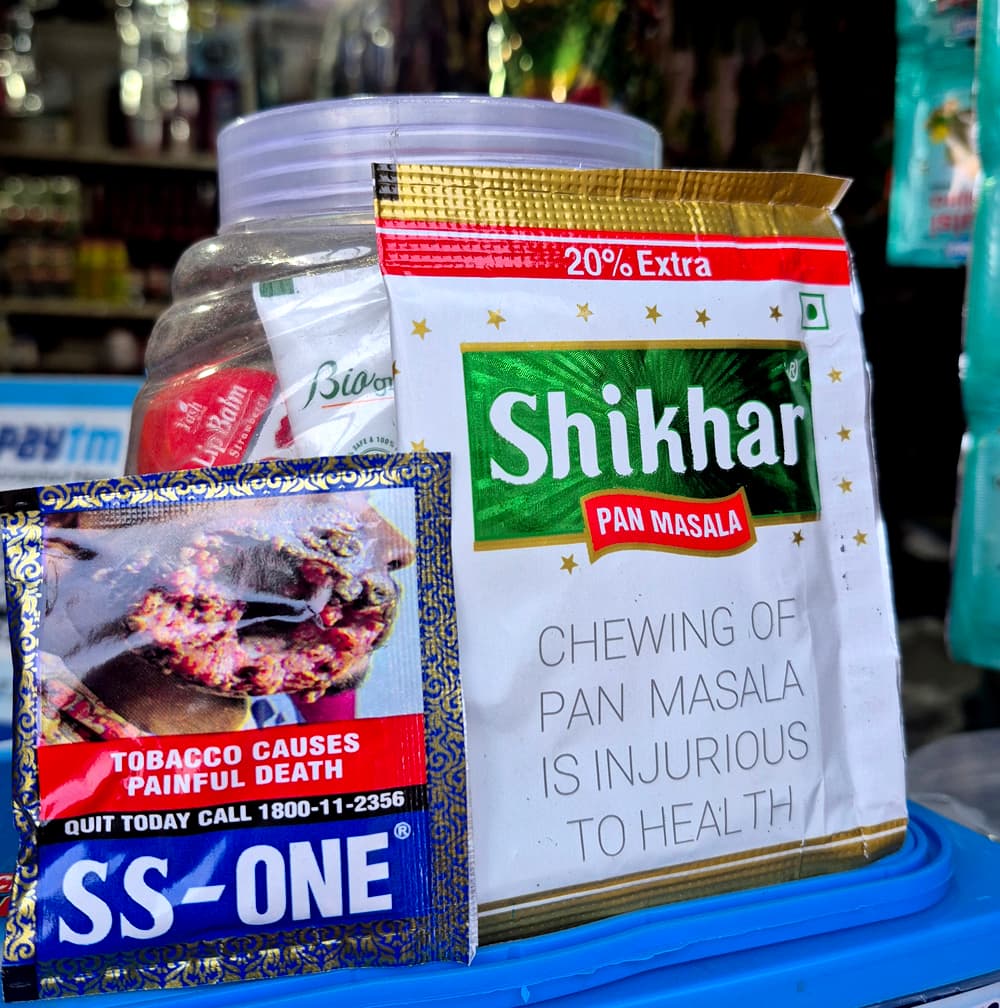
Interestingly, not all products have been affected equally. The price of “tobacco sada,” a locally popular variant, has remained largely stable, offering a relatively cheaper alternative for consumers unwilling to absorb the higher costs of branded products.
The price disparity is also creating ripple effects beyond state borders. In neighbouring Assam, tobacco prices have increased more moderately—between INR 5 and INR 20—prompting some consumers from Nagaland to cross over in search of better deals.
Retailers said that this cross-border movement is especially common for bulk purchases of chewing tobacco, drawing comparisons to the long-standing trend of crossing state lines for liquor.
Despite the rising costs, demand has not seen a corresponding drop. Shopkeepers shared that most regular of the users continue to purchase their preferred products, even at higher prices.
Read more: 1,800+ cases, crores lost: Excise report highlights enforcement versus revenue gap in Nagaland
However, subtle behavioural shifts are beginning to emerge. Some consumers are cutting back on daily consumption, while others are experimenting with newer, cheaper alternatives entering the market.
Brands like Raj Niwas, once considered less popular, are reportedly seeing a modest resurgence as cost-conscious users look for substitutes. At the same time, new low-cost products are finding space on shop shelves, often priced slightly above MRP but still cheaper than leading brands.
Public health experts see this moment as a potential turning point, though they remain cautious about its long-term impact.
Dr. Arihant Jain, an orthodontist and dentofacial orthopaedician, estimated that nearly half of his patients use tobacco, primarily within the 20–45 age group. “Most of them are aware of the risks, but addiction is the real challenge,” he said.
He added that many users of smokeless tobacco continue to believe it was safer than smoking, a misconception that complicates efforts to reduce usage.
While higher prices may encourage some users to cut back, quitting altogether remains difficult. “If someone has the financial capacity, they will continue using—perhaps just reduce the quantity,” he pointed out, adding that price hikes alone may not significantly reduce overall usage.
Dr. C Tetseo, former State Nodal Officer for the National Tobacco Control Programme (NTCP), agreed that increasing excise duties is an important policy tool. He expressed belief it could help reduce consumption over time and limit accessibility.
However, he also pointed out a worrying trend—the growing use of smokeless tobacco in the state.
The doctor further highlighted gaps in enforcement, particularly the rule prohibiting tobacco sales within a 100-metre radius of educational institutions and health centres.
“Implementation is where the challenge lies, especially in urban areas,” he said, underlining that violations often go unchecked despite existing regulations.