


Chumpo Museum in Sovima preserves Naga heritage through oral storytelling, showcasing over 200 artefacts and offering visitors an immersive cultural experience.
Tsümon Khiamniungan
DIMAPUR — Designed in the style of a traditional Lotha morung, the privately-run Chumpo Museum at Sovima village in Chümoukedima offers a unique ‘living museum’ experience where Naga history and culture are preserved through oral storytelling, interactive learning a collection of more than 200 artefacts, including both traditional and contemporary pieces.
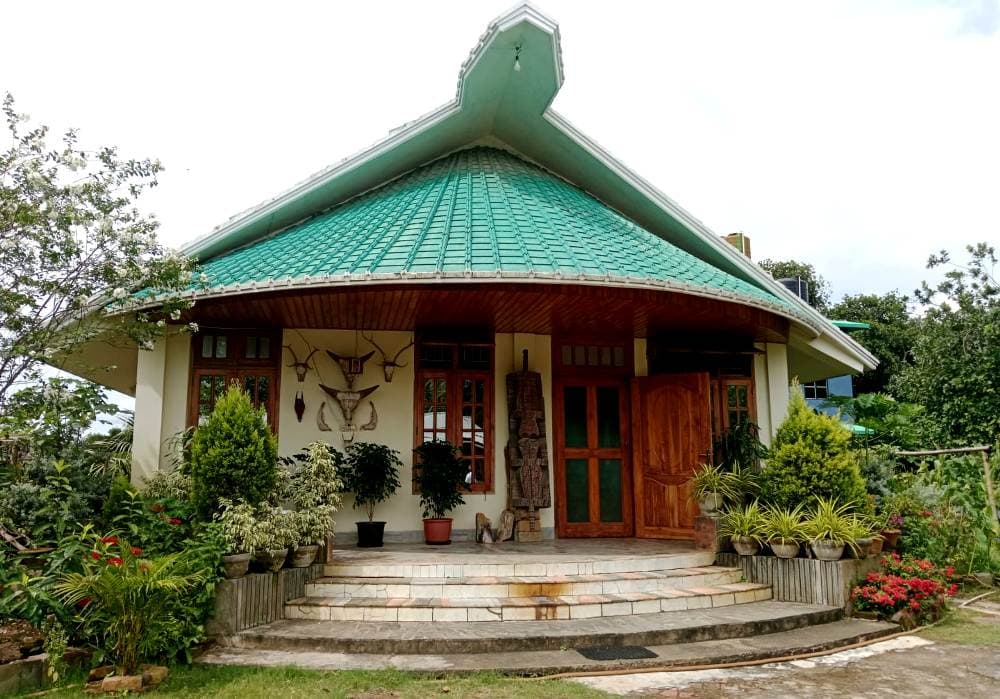
Founded by Father Abraham Lotha, a Naga anthropologist and president of the Lotha Academy, the museum was inaugurated in 2007 with the aim of educating the younger generation about Naga culture and history.
Unlike Western-style museums where information is displayed in showcases, the Chumpo Museum relies on oral storytelling.
"Chumpo" in the Lotha dialect translates to morung, the traditional bachelor's dormitory where young men once gathered, learnt the customs of their community and guarded the village.
Moses Yanthan, the museum's caretaker, shared that his brother began collecting traditional Naga works and artefacts in the 1990s out of his interest and his desire to spread cultural awareness among the Naga people.
Piece by piece, Father Abraham built a collection of traditional relics, initially storing them wherever space was available. It was only after the completion of the museum building that the collection found a permanent home in 2007.
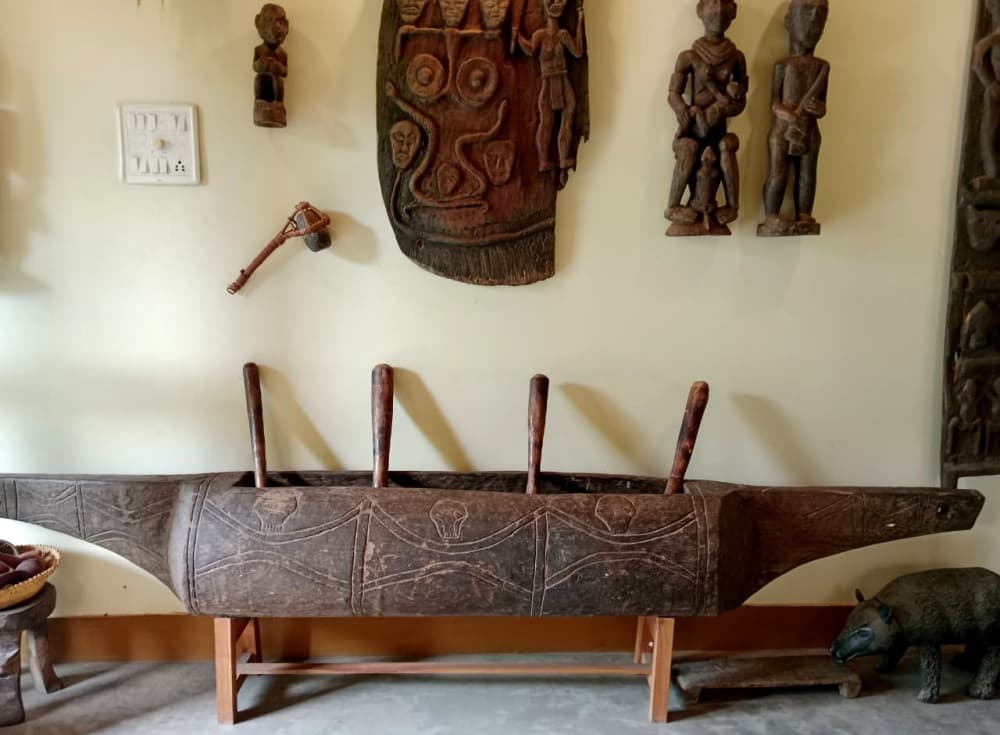
According to Yanthan, the museum comprises traditional objects from different regions and tribes of Nagaland. He said the majority of the items were acquired from Lakhuti village in Wokha district, and from Dimapur, Kohima, Mon and Kiphire districts.
He pointed out that after the advent of Christianity in the state, many Naga families discarded traditional wooden crafts and objects.
"Our forefathers were very talented people," Yanthan remarked, expressing concern that only a small number of traditional woodworks have survived today.
He said Chumpo Museum is entirely privately owned and receives no government assistance or funding.
He described the museum as a learning space where students, researchers and visitors can gain an understanding of Naga culture and history.
"Naga students and young people should be able to answer questions about our history," he said, adding that he often interacts with students by asking them questions and explaining the significance of the exhibits.
Unlike most museums where touching exhibits is restricted, Chumpo Museum offers a more immersive experience.
Yanthan explained that while children are discouraged from handling the relics, adults are allowed to touch and feel many of the objects, including some displayed inside glass cases.
"Culture is never dead but evolving. That is why we call it a ‘living museum,’" he said.
When asked why the museum's artefacts are displayed without labels, he explained that the decision reflects the traditions of the Naga ancestors.
"Our forefathers did not have a written tradition; their knowledge was passed down orally from one generation to the next. We continue to honour that legacy by preserving the same oral tradition. As the museum's keeper, I personally explain the history and significance of each artefact to visitors," he said.
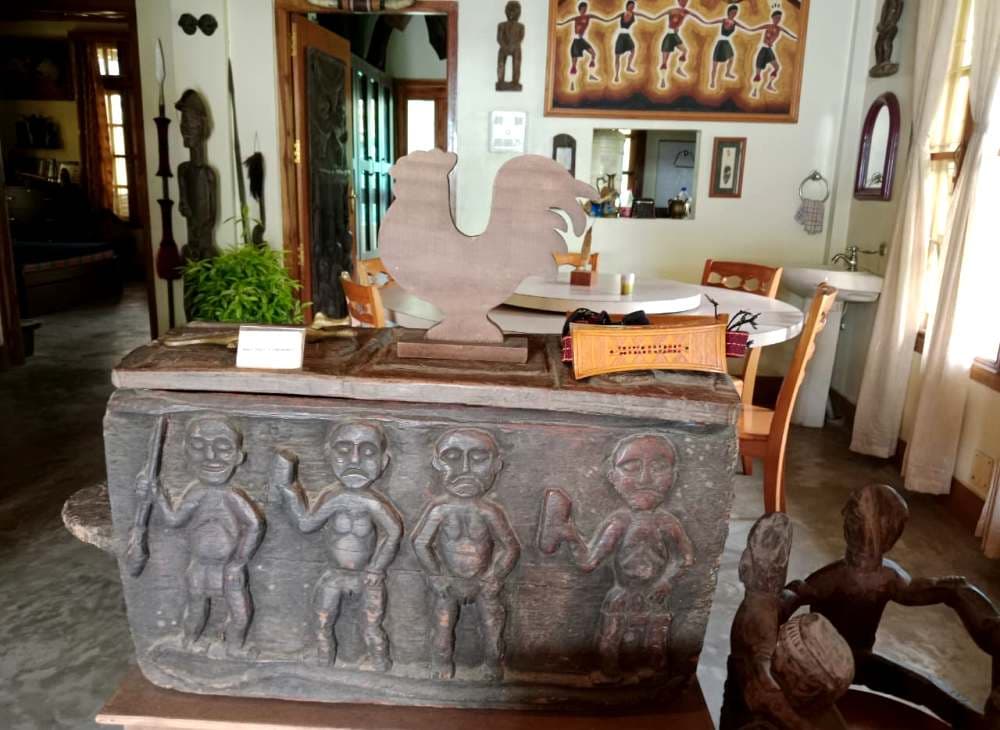
The museum consists of a living room, a dining hall, two bedrooms and a kitchen, all filled with cultural treasures.
Yanthan said visitors are permitted to use the kitchen, making the experience more engaging.
Scattered throughout the house are ancient wood carvings, sculptures, an imposing log drum, large traditional Naga wooden grinders, woven baskets, bamboo mats and cups, vibrant ornaments, headgear, portraits, traditional weapons and tools, a rice beer container with human figurines, Naga motifs, flint stones, gourds once used by women to carry water, old photo frames and numerous other relics.
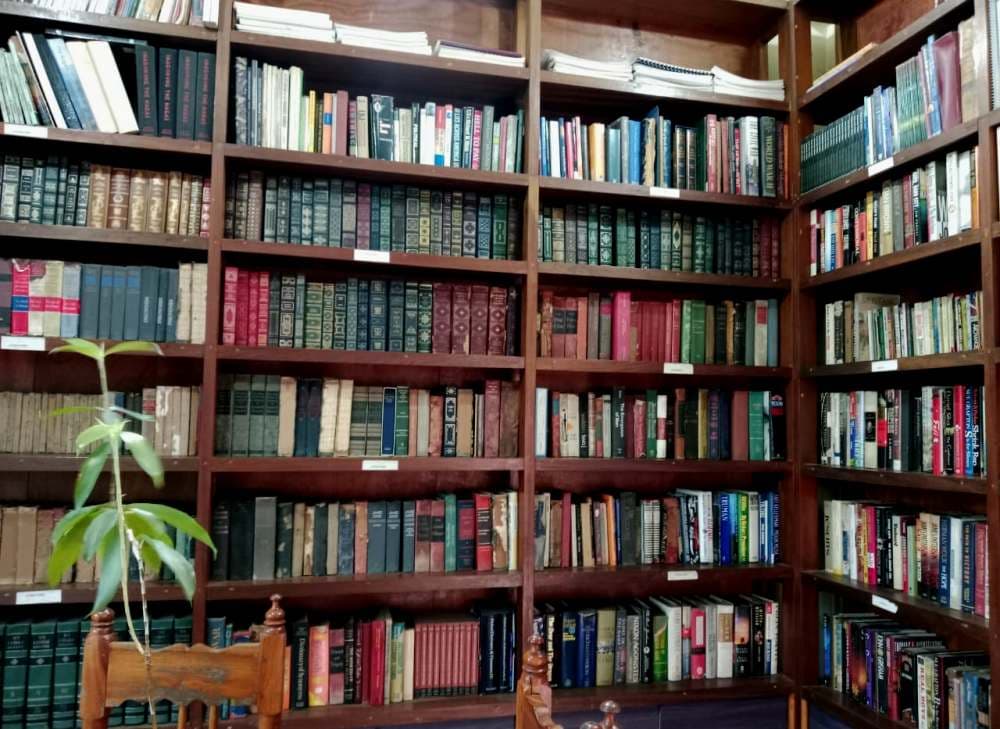
Adjacent to the museum, the Chumpo Library contains books on the Northeast, English literature, novels, journalism, anthropology and several other subjects.
Yanthan said readers and researchers are permitted to use the library between 9 am and 5 pm; however, the books cannot be borrowed.
He added that the museum also accepts donated books and anyone wishing to donate is welcome to do so.
Yanthan said the museum attracts visitors throughout the year. It is frequently visited by students on educational tours, research scholars from within and outside the state, and visitors from overseas.
He said many people discover the museum through word of mouth or by chance while passing by.
The museum's Visitors Book contains messages from guests. One described Chumpo Museum as "a gem for anyone wanting to learn about ancient Naga culture."
Another wrote that it "sparked my curiosity to learn more about our past, especially Naga history."
Others described it as "an exhibition that keeps a fading culture alive for the next generation" and "a beacon of hope and opportunity for all who walk through its doors."
According to Yanthan, these messages inspire him to continue preserving the museum.
On maintenance and space, he acknowledged that the current area is insufficient to accommodate more artefacts.
When asked if museums like Chumpo can help younger generations reconnect with their roots, he said it ultimately depends on the individual.
"Those who want to learn about our culture will learn," he said.
In a brief conversation with this newspaper, Father Abraham said, "The Naga culture is very rich and it is worth preserving. It solidifies our identity and the contributions that we can make to the global cultural heritage."
(The writer is a B.A. History student at Patkai Christian College (Autonomous) and an intern at Eastern Mirror.)