


The Department of Art and Culture organises a programme in Niuland to document and promote indigenous medicinal knowledge and traditional healing practices.
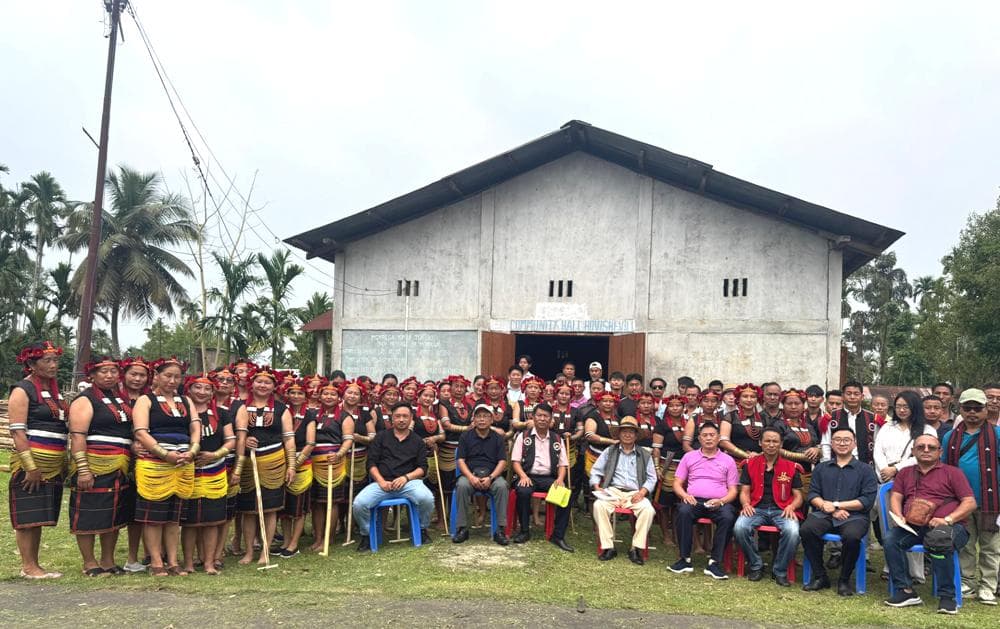
DIMAPUR — The Department of Art and Culture organised a one-day programme on the “Sharing of concept on living morung, traditional knowledge and traditional healing practices and indigenous medicinal knowledge” at the council hall in Hovishe village, Niuland, on Monday.
According to an update, the programme was conducted to document, promote, and safeguard the intangible cultural heritage of Naga communities.
In his welcome address, Teisovikuolie Therie, Deputy Director of Art and Culture, spoke on the concept of the living morung and traditional knowledge systems. He stated that the morung remains a vital institution for transmitting indigenous knowledge, including traditional healing practices and medicinal wisdom, from elders to younger generations.
He added that the department is creating a digital repository of such knowledge to ensure its preservation.
Kasheto T Holo, who attended as the special guest, shared a morung narration on the role of the village council and traditional institutions in preserving healing practices.
Also read: Weed to wonder: Nagaland research unlocks cancer-fighting potential
Nagaland bags national award for health scheme performance
The cultural segment featured a folk tale narration by Atoni Holo and a folk dance by Kuhoxu village, reflecting the link between orature, community life, and indigenous health practices.
The main technical session on traditional healing and medicinal knowledge was led by two resource persons. Dr. Hokuto, GB and knowledge and identification lead, spoke on the identification of medicinal plants and traditional diagnostic methods, assisted by Anghukali Jimomi and Kihikali Jimomi.
Vikheyi Awomi of Hukhayi village, practice and preparation lead, demonstrated preparation methods and practices, assisted by Botovi Awomi and Vikato Awomi. A two-hour demonstration on traditional healing and practices related to medicinal and cultural use was also conducted by the same resource teams.
The programme concluded with an open discussion and experience sharing, followed by the distribution of certificates by Therie. The event recorded the participation of 150 individuals from Hovishe, Kuhoxu, and Hokuto villages.