


39 Naga ancestral remains held at Oxford for over a century handed over to Naga representatives for return to Nagaland
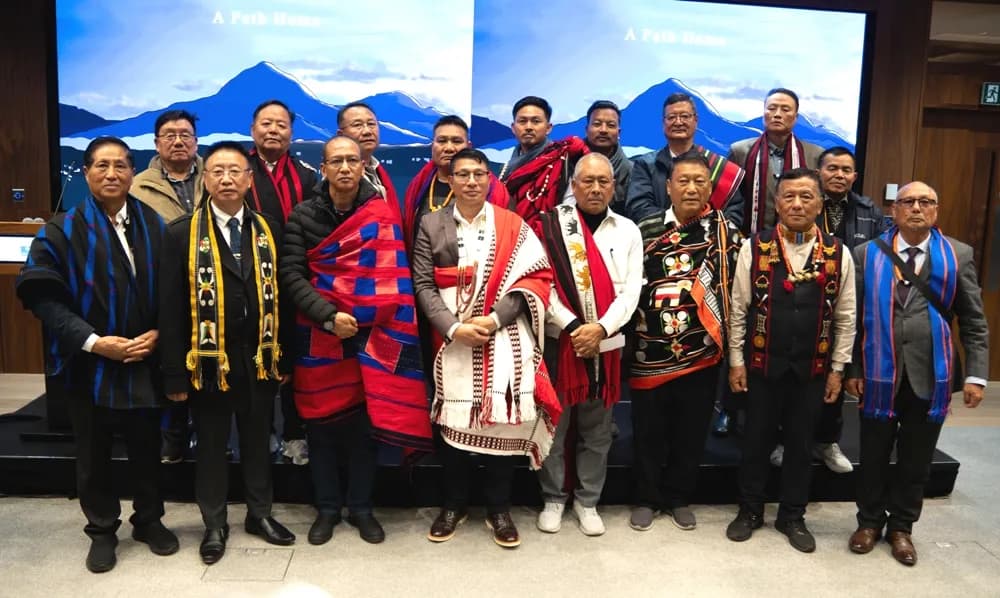
DIMAPUR — Thirty-nine Naga ancestral remains held at the Pitt Rivers Museum, University of Oxford, for over a century have been formally handed over to Naga representatives, marking a major step in their return to Nagaland.
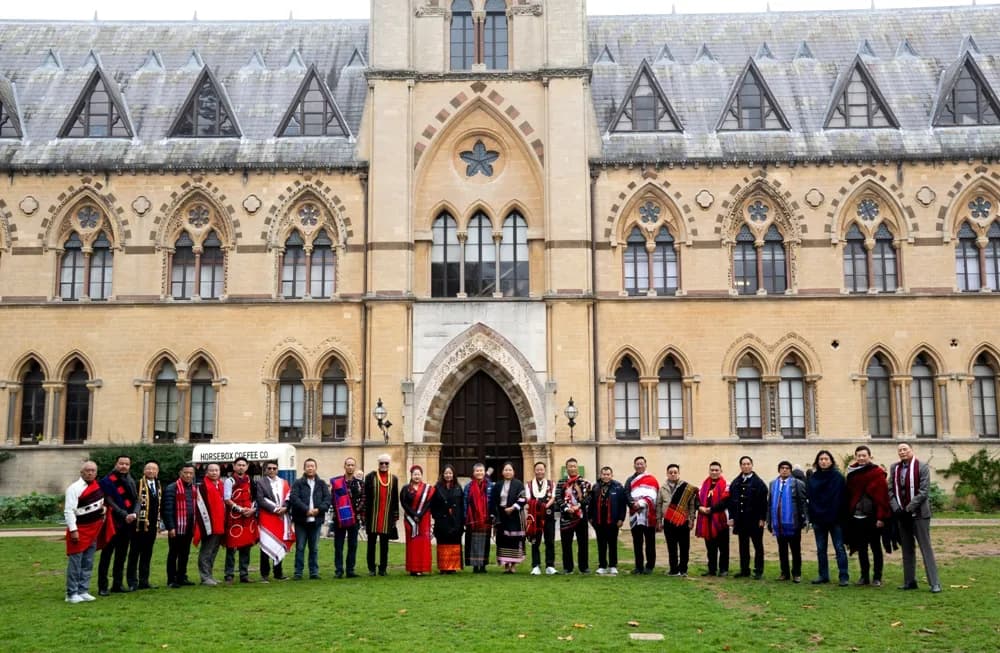
The remains were moved out of the University of Oxford following a handover ceremony on November 9, where the Oxford University Council transferred their custodianship to the Naga people through the Forum for Naga Reconciliation (FNR) and the Naga Tribe Hoho. They are now beginning their journey home, with Naga Solidarity Park in Kohima designated as the burial site.
The handover followed a six-year process facilitated by the FNR, which began in 2020. The Transfer of Title Form was signed by Professor Laura Van Broekhoven on behalf of the Pitt Rivers Museum and Rev. Dr. Wati Aier on behalf of the FNR. It was attested by Visier Sanyü, representing the FNR, and Thejao Vihienuo, representing the Naga Tribe Hoho.
Also read: Oxford agrees to repatriate 39 Naga ancestral remains
Naga repatriation: ‘Bringing ancestors home, reclaiming our history’
Preparations for the burial had begun in Kohima ahead of the formal handover. The Naga Solidarity Park Management Committee allocated a site for the 39 remains following requests from the FNR and Naga tribal hohos. A prayer service was held on November 7, after which site clearance and ground preparation commenced.
The return, however, has not been without disagreement over the process. The Federal Government of Nagaland (FGN) had called on the University of Oxford to suspend the proposed handover and review the repatriation process. The FNR had maintained that the Oxford University Council had officially decided to return the remains to the Naga people, with tribal hohos leading the process.
At the November 9 ceremony, Oxford University Vice-Chancellor Professor Irene Tracey described the handover as “historic between the university and the Naga people”. She recognised it as a distinct community-led initiative of reconciliation, healing and peace.
Speaking on behalf of the Naga Tribe Hoho, its representative Thejao Vihienuo said repatriation was a Naga right to care for their ancestors and an acknowledgement of common humanity. He said all Naga ancestral remains held in museums must return to their homeland with dignity.
The coordinator of the Recover, Restore and Decolonise (RRaD) team, Rev. Dr. Ellen Konyak, said the repatriation was not the end but a new beginning for the Nagas to create their own story.
The ceremony also featured a chant, Langhon Langpheng Ngao, by Nyamto Wangsha, expressing the idea that when the soul returns, the village heals. NT Thamlong Phom and Dr. Moishen Metjei Phom presented a song, Nyokei Shemei Leishah, reflecting the sentiments of taking the ancestors home.