


Kohima and Mon districts observe World Malaria Day to raise awareness on prevention, early diagnosis, and elimination of the disease.
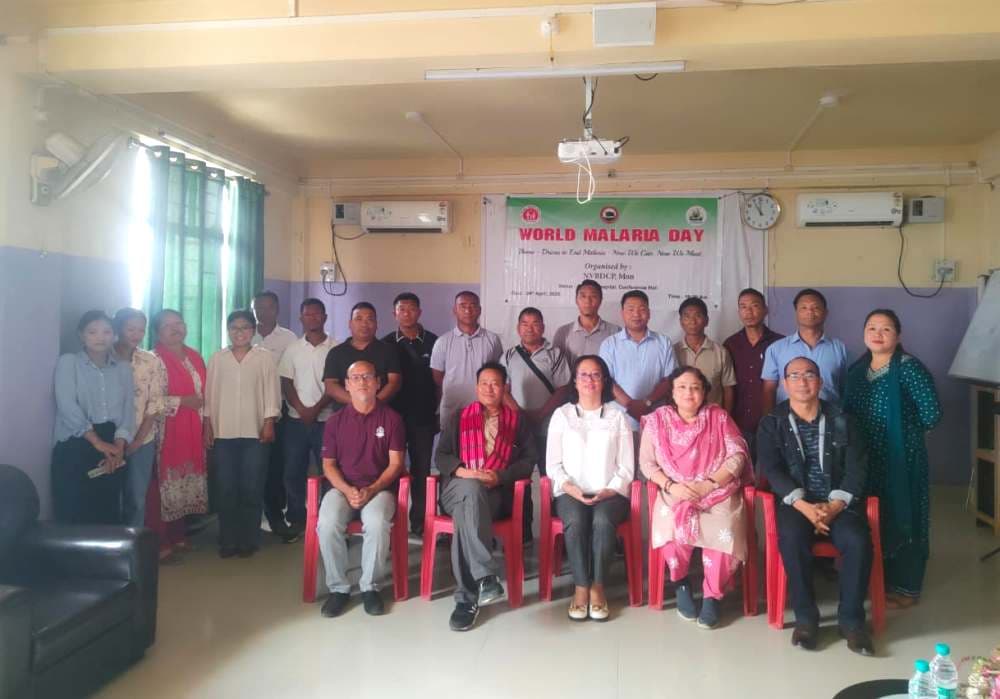
DIMAPUR — Multiple districts in Nagaland observed World Malaria Day on April 25, themed “Driven to end malaria: Now we can. Now we must”, to raise awareness about malaria prevention and elimination.
In Kohima, the day was observed across all five blocks under the National Vector Borne Disease Control Programme (NVBDCP).
According to an update, the district implemented several initiatives to reinforce its commitment to elimination goals. Intensive monitoring and supervision were completed from April 20 to the 24th, with NVBDCP staff carrying out routine monitoring with a specific focus on house-to-house awareness regarding malaria and other vector-borne diseases.
The district vector-borne disease consultant organised mass screening camps in high-risk villages, prioritising vulnerable groups where positive cases were detected during the last five years. Miking was done in the villages to ensure widespread public awareness of the day’s significance and preventive measures.
In Mon, the NVBDCP observed World Malaria Day at the conference hall of District Hospital Mon.
Also read: Nagaland observes World Malaria Day with a call to eliminate by 2027
Zunheboto observes World Malaria Day, discusses elimination strategies
Dr. Abenthung Murry, District Vector Borne Disease Officer, presented an overview of the malaria situation in the district. He highlighted that Mon recorded its first imported P. vivax case from Longwa in October 2025.
Thereafter, indigenous cases began to be reported, rising to 77 by December 2025. From January to April 2026, a total of 20 cases have been detected, with most patients having recovered. While cases are declining, he stated that the district is not yet malaria-free and sustained efforts are required.
Chief Medical Officer Dr. Supongmenla Walling, who attended as the special guest, underlined the importance of early treatment and the completion of medication.
She noted that effective drugs like injectable artesunate are now available free of cost and have prevented malaria-related deaths. She also highlighted the presence of malaria, dengue, and Japanese Encephalitis in the district and called for strengthened preventive measures, including the elimination of mosquito breeding sites.
She further suggested the introduction of larvivorous fish as a control measure.