


Pampi Sarkar shares her journey as a teacher at Little Star Hr. Sec. School Dimapur and offers advice to aspiring educators.
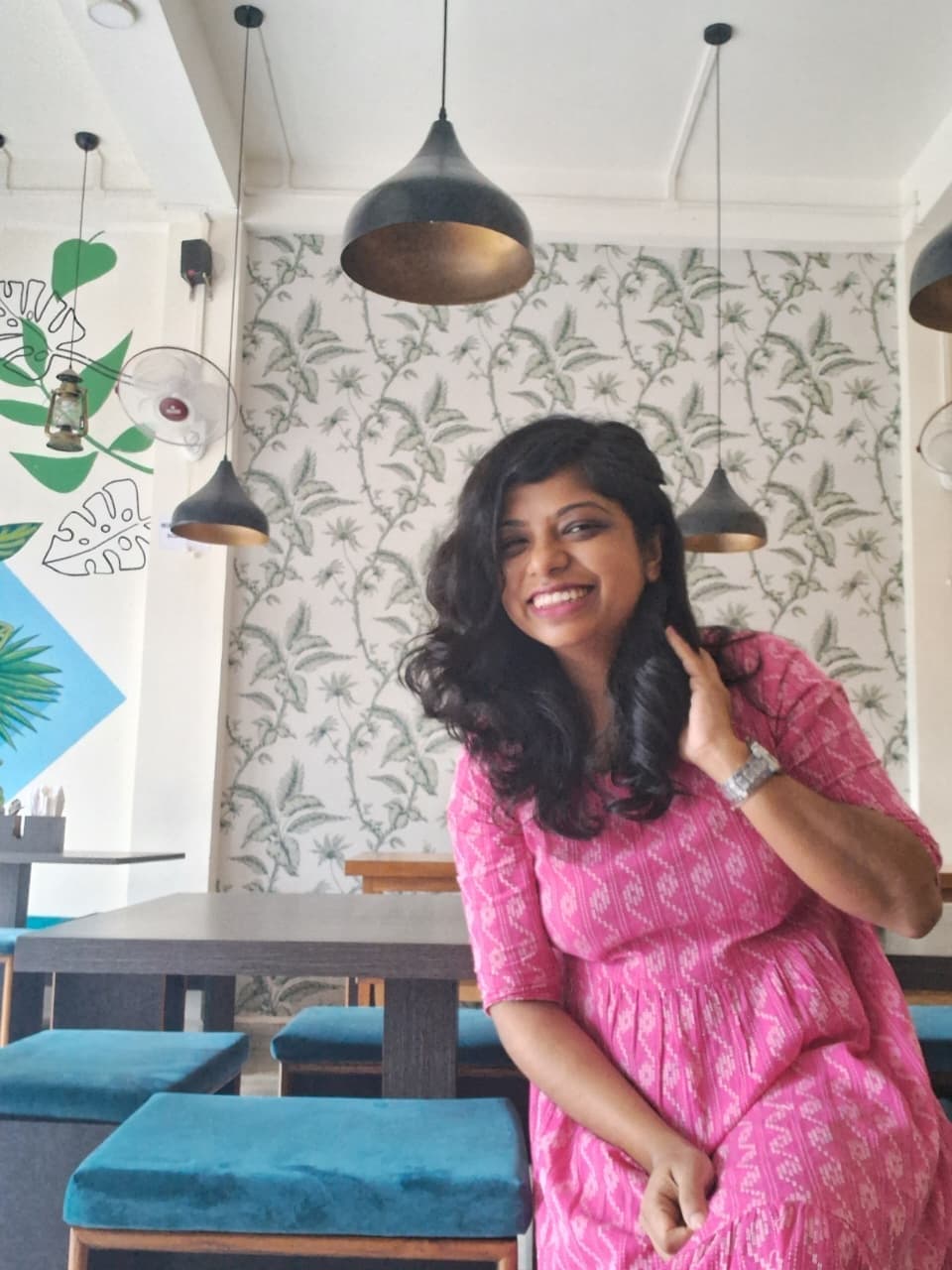
DIMAPUR — Since her teenage years, Pampi Sarkar harboured a deep passion for teaching. She found fulfilment in breaking down layered ideas into consumable lessons for children in her neighbourhood, deriving satisfaction from their ‘aha’ moments of understanding. From that point, she knew she was destined to be a teacher.
Reflecting on her journey, she recalls the iconic words of Paulo Coelho from ‘The Alchemist’: “And, when you want something, all the universe conspires in helping you to achieve it.” For Sarkar, this resonated deeply—teaching felt less like a choice and more like a calling from the universe itself.
Having completed her schooling at Pranab Vidyapith Higher Secondary School, Sarkar graduated from S.D. Jain Girls’ College, followed by a Bachelor of Education (B.Ed.) from Salt Christian College of Teacher Education and an in-service Diploma in Elementary Education (D.El.Ed.) Bridge Course.
Also read: Keneilelie Sorü on Turning Fitness Dreams into Sustainable Careers
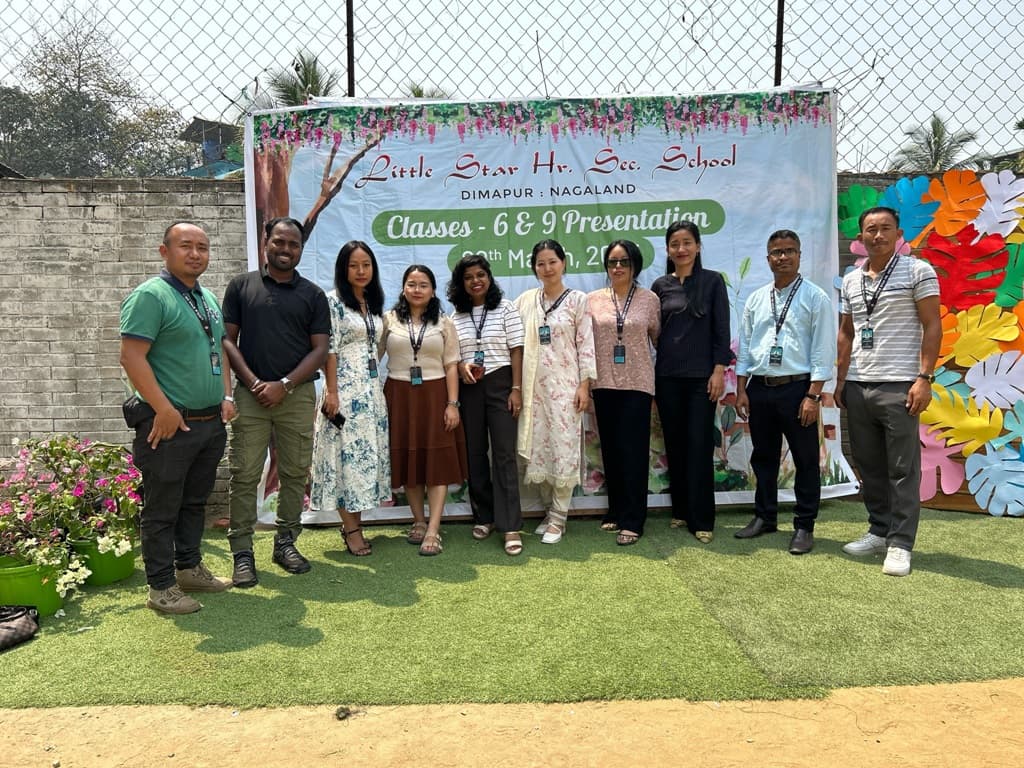
After completing her B.Ed, she took a leap of faith and applied to Little Star Hr. Sec. School in Dimapur for the post of a teacher. To her delight, she cleared the written test, demonstration, and oral interview. Though teaching had been her calling for years, 2015 marked the commencement of her professional journey.
She says that the school's nurturing environment transformed her from a passionate teacher at heart to a skilled educator, shaping her ever since.
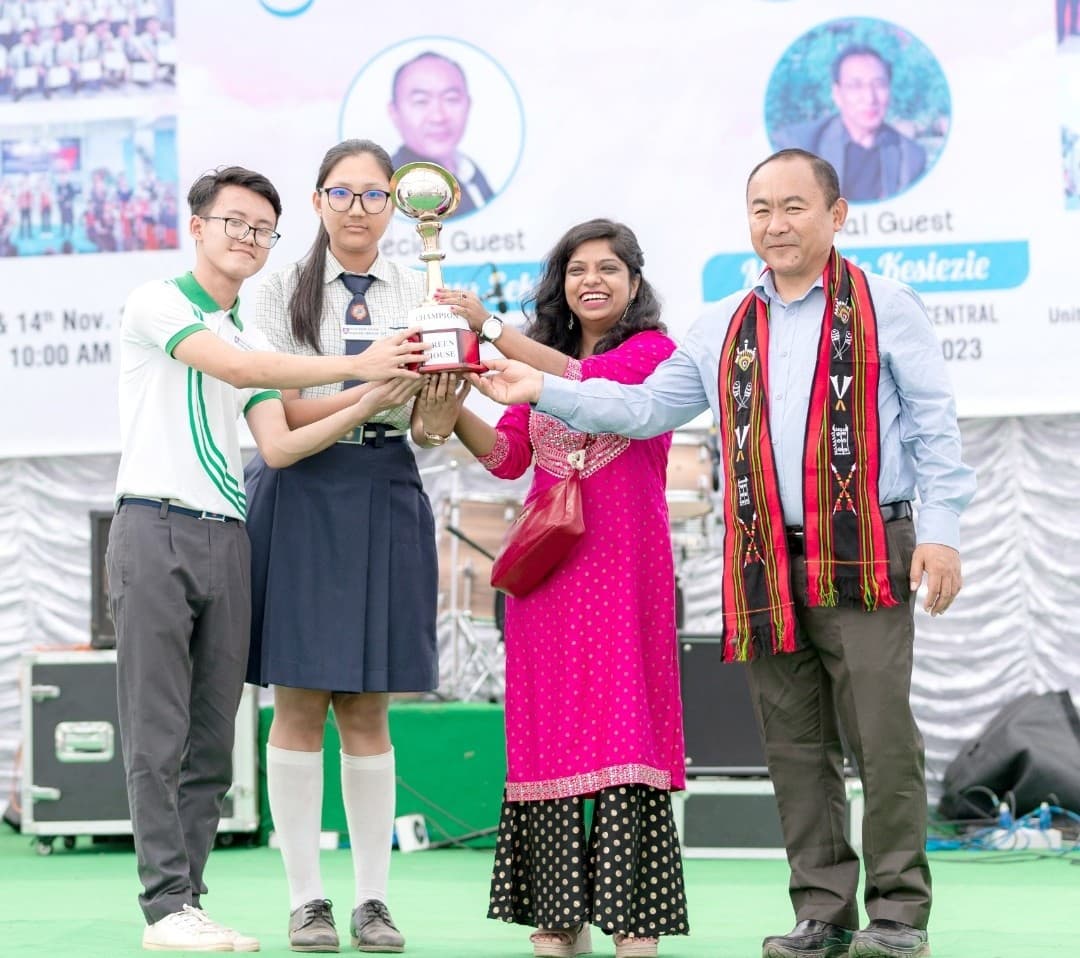
Sarkar believes that true growth requires courage: the willingness to embrace challenges, stretch one’s limits, and remain open to learning. For her, teaching milestones are not trophies displayed on a shelf but meaningful moments—beginning a day with eager students and ending it with a sense of purpose.
She shares that rehearsing with students for school programmes and then witnessing their confident performances on stage brings her a joy far greater than any material reward. Every small victory—a concept understood, a smile of accomplishment—constitutes, in her eyes, the truest recognition a teacher can receive.
Among her measurable milestones, the 2023 International Teachers’ Olympiad organised by Suraasa stands out—she achieved a position among the top 800 educators worldwide. She attributes her motivation to participate to the school’s principal, Christina Neikhrienuo, whose leadership and encouragement, she says, served as an inspiration.
She says that a decade at Little Star Hr. Sec. School represents a significant milestone in itself—and the 10-Year Long-Term Service Award she will receive this November serves as the culmination of that journey.
Now serving as Class 5 and Class 6 supervisor-cum-assistant teacher, she shares in this interview with Eastern Mirror what it takes to be a primary and middle school educator and offers advice to aspiring educators.
What does a typical day look like for a primary and middle school teacher—from lesson planning to managing classrooms?
A typical day for a middle school teacher feels like riding a horse: mounting with intent, struggling to stay balanced, stumbling, and gripping tighter. Every period, chapter, and activity demands meticulous planning—yet leaves room for spontaneous conversations, correcting both their playful mistakes and notebooks, and weaving care into interactions with students and parents. In short, it’s a juggling act: balancing 4–5 priorities at once. It’s challenging, but every effort shapes a future.
What are the minimum educational qualifications required to become a teacher in primary or middle school in private schools in Nagaland?
To become a teacher in Nagaland’s private primary (1 to 5) or middle schools (6 to 8), a graduate degree (any stream) with a D.El.Ed. is required. Those with a B.Ed. must complete a D.El.Ed. Bridge Course (half the duration of D.El.Ed.).
How important is practical training or classroom internships during teacher education?
Teacher training programmes like B.Ed. and D.El.Ed. are the bedrock of the profession—a firm foundation without which even the most passionate educators falter. Just as a farmer cannot harvest a bountiful yield without mastering the precise use of seeds, water, and soil, a teacher cannot nurture potential without learning how to teach. These programmes equip one with the art of effective pedagogy (activity-based, student-centred approaches), strategies to embrace diversity in the classroom, skills to structure engaging lessons, and empathy to support special needs. They transform passionate teachers into impactful educators.
Do you recommend pursuing higher studies such as an M.Ed. or specialised diplomas for career growth in teaching?
Dreaming of leading a school, innovating, or doing research? Go for an M.Ed. Need a fast skill boost—digital tools, NEP 2020? Diplomas work! Point is: Invest in learning, but align it with your 'why'. I, too, dream of pursuing an M.Ed. in the future.
What are the essential skills every aspiring primary and middle school teacher of young students should develop early?
Teaching is like conducting an orchestra—classroom management is the beat. Nail it, and everything syncs. Communication? It’s the glue. Speak clearly with students, parents, and colleagues, and trust blooms. Tech? Master PowerPoint; tap online resources.
Just remember – Patience + 1 step at a time.
What soft skills (like patience, empathy, or communication) do you believe are most critical for a primary and middle school teacher?
Start by training your ears to listen: the more you hear young minds, the better you mould them. This can feel overwhelming, but patience is your anchor. Step into the classroom with empathy—paired with clear communication, it makes you their safe haven. Be the jar of solutions: resolve conflicts, calm chaos. Celebrate effort, not just results, to spark positivity. These skills aren’t checkboxes—they’re muscles that need to be strengthened daily.
So, listen, empathise, solve, and celebrate effort. Reminder: Patience is the key!
What habits or practices can aspiring primary and middle school teachers adopt now to build strong teaching foundations?
If there’s one thing to adopt early, it’s a love for the subject you plan to teach—and master it. Make it a habit to break complex concepts into bite-sized, digestible chunks. Master time management and the art of igniting curiosity in students. Also, remember: students learn more by copying you than from you.
So, teach with passion, simplify the concepts and invite questions!
What mindset should teachers have to stay motivated even when the job feels challenging?
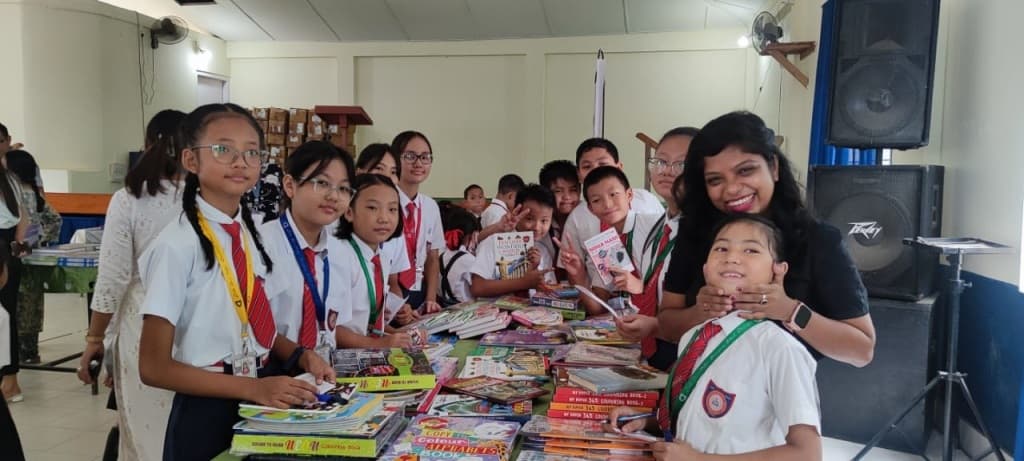
Even on the toughest days, remember: you matter to your students. A shy voice spoke up today because of you! Take a deep breath, smile – you're powerful; you're shaping lives. Your presence transforms.
Teaching is a profession where challenges and rewards co-exist!
What common misconceptions do people have about teaching as a career?
That teaching is easy.
Finally, what message would you like to share with students who dream of becoming teachers someday?
As you enter the kingdom of teaching, step in with your whole heart and mind. See it as “a service to humanity—not just a job”.
RAPID INSIGHTS
If you could sum up teaching in one word, what would it be?
It's ‘adventurous!’
If you weren’t a teacher, what other career would you have chosen?
Then, I'd be an ‘entrepreneur’.
If you could introduce one new subject in schools, what would it be?
It would be ‘Emotional Intelligence’.