

NGO Rahi organised an awareness programme in Kiphire to mark International Day for the Elimination of Child, Early and Forced Marriage
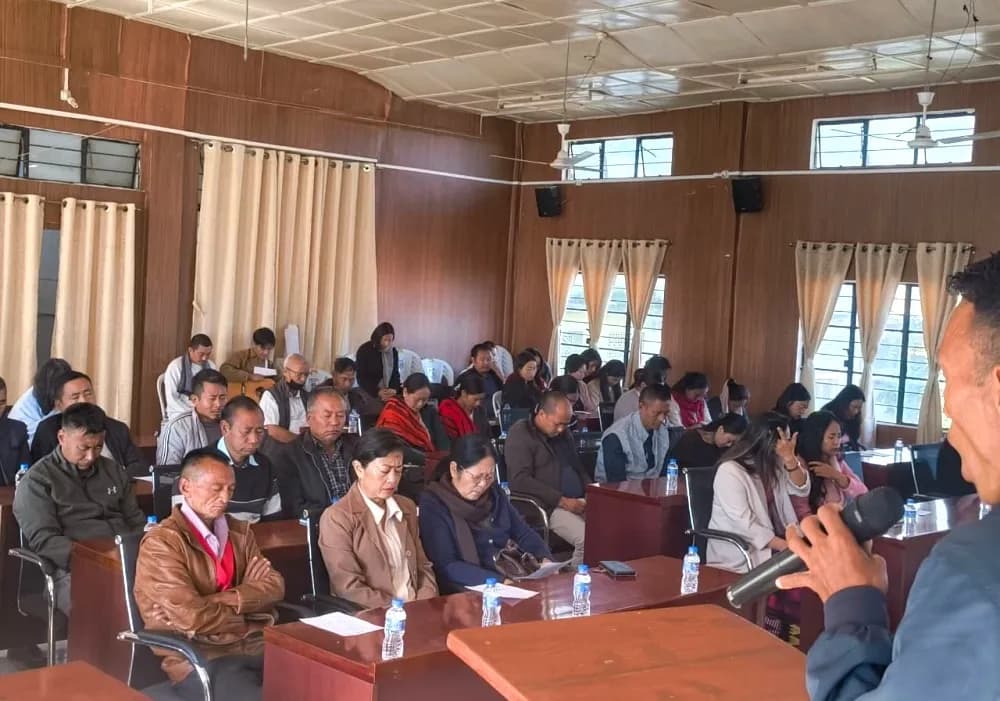
DIMAPUR — NGO Rahi – A Social and Cultural Upliftment Society, in collaboration with Just Rights for Children (JRC), organised an awareness and pledge-taking programme at the deputy commissioner's (DC) conference hall in Kiphire on Saturday to mark the International Day for the Elimination of Child, Early and Forced Marriage.
According to a press release, the programme aimed at strengthening public awareness, promoting girls' education, empowering communities, and mobilising collective action towards making India free from child marriage by 2030.
Speaking on the occasion, M Adaphro, Director of NGO Rahi and member of the Sexual Harassment Committee, Ministry of Textiles, said that ending child marriage requires more than awareness, emphasising the need for strong commitment from families, communities, institutions, and the administration.
Stressing that every child has the right to education, protection, dignity, and a childhood free from exploitation, Adaphro said NGO Rahi, through its partnership with Just Rights for Children, is committed to strengthening grassroots child protection initiatives in Nagaland.
Also read: Nagaland launches 100-day drive against child marriage
Adaphro appealed to villages, families, and community leaders to actively participate in the movement to make Kiphire a child marriage-free district and contribute to the national vision of a child marriage-free India by 2030.
Advocate Alila H Sangtam shared perspectives on the legal provisions relating to child marriage, children's rights, and the importance of protecting girls from early and forced marriages.
Limitsung, Mission Shakti, DHEW, highlighted the importance of women's empowerment, awareness, and government support systems in preventing child marriage and promoting the welfare of women and children.
Other speakers, including Rezehli and Sentinaro, also shared their views on community awareness, collective responsibility, and the role of families and local institutions in protecting children and ensuring their right to education and a secure childhood.
The speakers pointed out that child marriage is a serious violation of children's rights, affecting their education, health, dignity, and future opportunities. They called upon parents, village councils, religious leaders, youth groups, women's organisations, and community institutions to work together to prevent child marriage and report suspected cases to the appropriate authorities.
The programme also highlighted interconnected child protection concerns, including child trafficking, child labour, online exploitation, and violence against children.