


Wokha district health officials review National Vector Borne Disease Control Programme strategies to achieve malaria-free status by 2030.
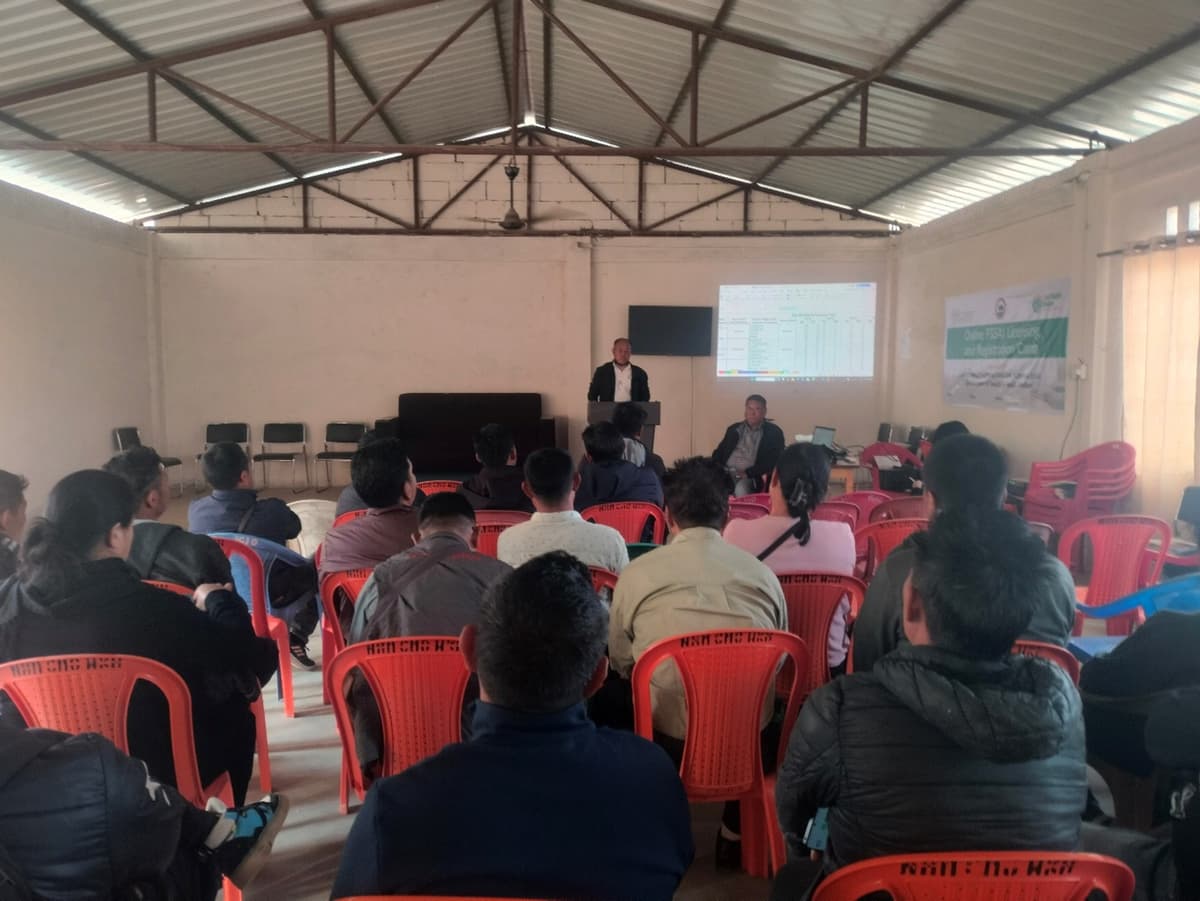
DIMAPUR — A high-level review meeting of the National Vector Borne Disease Control Programme (NVBDCP) was held at the Chief Medical Officer's (CMO) Conference Hall in Wokha district on Wednesday.
Chaired by Dr. Imkongtemsu, State Programme Officer (SPO) and Joint Director, the session brought together district health officials and NVBDCP staff to assess the performance of surveillance workers (SW), malaria technical supervisors (MTS) and vector-borne disease activities, particularly malaria control.
Dr. Imkongtemsu commended the district's progress in key NVBDCP indicators, reduction in confirmed malaria cases over the past year, and improved slide positivity rates due to enhanced rapid diagnostic testing. However, he highlighted gaps in vector surveillance, such as inconsistent and underreporting from remote villages.
Also read: BJYM Nagaland criticises Nagaland Congress for AI Impact Summit 2026 remarks
According to an update, key recommendations for enhanced surveillance and control included ramping up surveillance intensity and increasing active case detection (ACD) and fever surveillance in border areas monthly.
It also prioritised quality over quantity by training field staff on standardised data collection. Furthermore, it called to strengthen vector management through community engagement and launch awareness campaigns via Accredited Social Health Activist (ASHA) workers and local platforms to boost early reporting.
The Deputy Director, Dr. Tinurenla, stressed coordination with the grassroots staff like ASHAs to activate the surveillance activities in hard-to-reach areas.
Dr. Imkongtemsu and the team stressed that “robust surveillance is the backbone of malaria elimination—quality data drives timely interventions and prevents outbreaks”. He directed the district NVBDCP team to follow-up reviews.