


Nagaland Governor warns indigenous languages and oral traditions in Northeast India are fading amid modernisation and rapid globalisation.
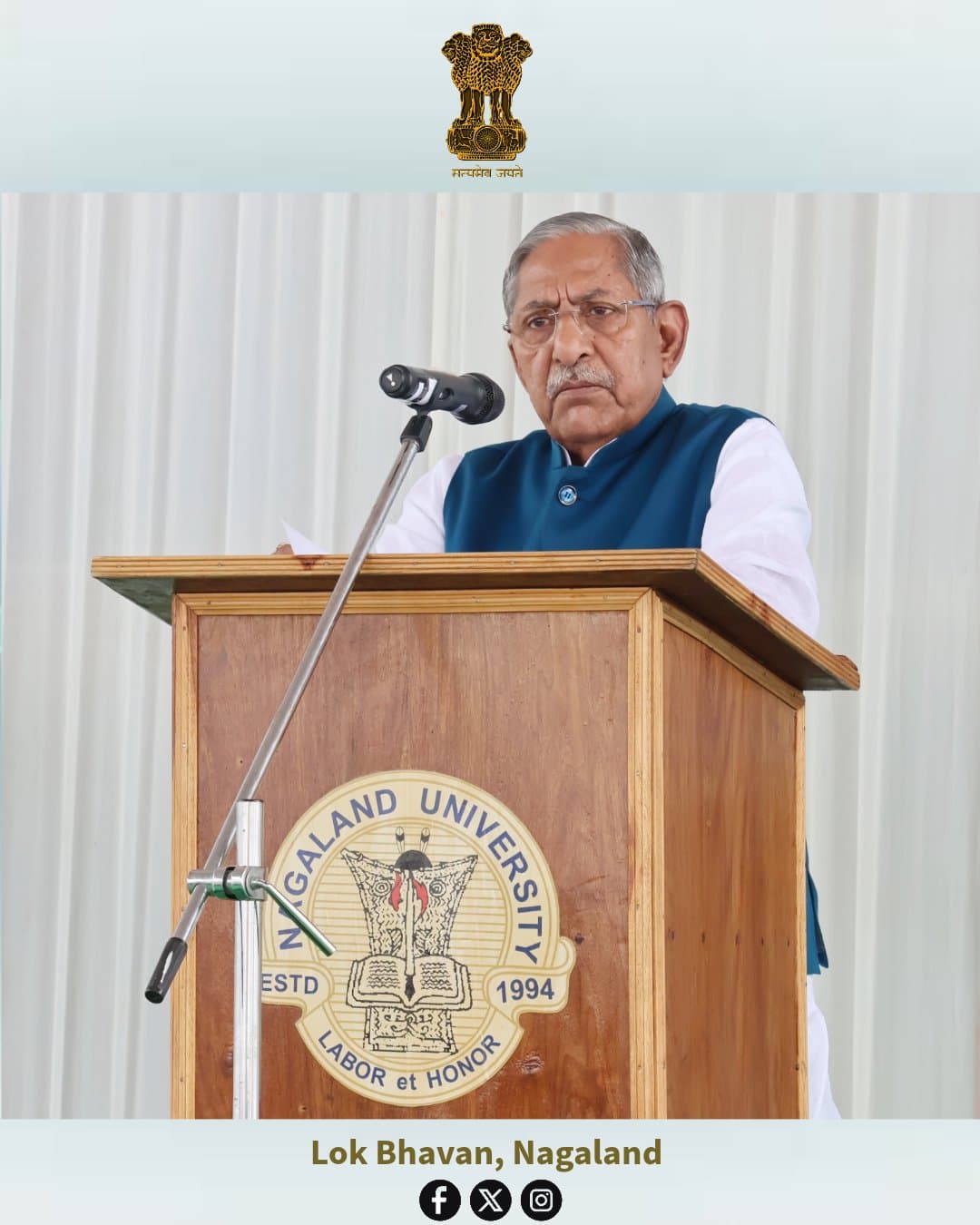
KOHIMA — Governor Nand Kishore Yadav on Friday expressed concern over the gradual decline of indigenous languages and oral traditions in Northeast India, warning that younger generations are increasingly moving away from their cultural roots amid rapid globalisation and social change.
Addressing the inaugural programme of a national seminar at Nagaland University’s Meriema Campus on the theme ‘Revisiting Tribal Heritage of Northeast India: Challenges and Opportunities’, Yadav said traditional institutions and cultural practices are facing growing pressure from modernisation, urban expansion and technological change.
He said indigenous languages are gradually declining, oral traditions are fading and younger generations are moving away from traditional ways of life.
Also read: Chakhesang women’s body cautions against misuse of traditional attires online
Calling the issue central to the cultural identity and social fabric of the region, the governor said the Northeast’s tribal communities have preserved their languages, customs, indigenous knowledge systems and close relationship with nature over generations, making the region’s heritage an important part of India’s cultural legacy.
At the same time, he said preservation of heritage should not be seen as resistance to progress.
Yadav said the present challenges also create opportunities and stressed the need for academic institutions, researchers, policymakers and civil society organisations to work together to document, preserve, promote and reinterpret tribal heritage in ways that remain relevant to contemporary society.
He said universities and institutions of higher learning have an important responsibility in ensuring development remains culturally sensitive, inclusive and sustainable.
Referring to the role of Nagaland University, he said academic and research initiatives can contribute through interdisciplinary studies, strengthening indigenous knowledge systems, promoting local languages and linking traditional wisdom with modern scholarship.
The governor also said tribal communities possess traditional knowledge that remains relevant to present-day global concerns, particularly in environmental conservation, sustainable living, community harmony and coexistence with nature.
He expressed hope that the seminar would contribute to deeper understanding, dialogue and policy discussions on tribal heritage and development in Northeast India.