


Chief Minister Neiphiu Rio proposes boosting Local Area Development Programme funds to support nano enterprises and skill training across 60 constituencies in Nagaland.
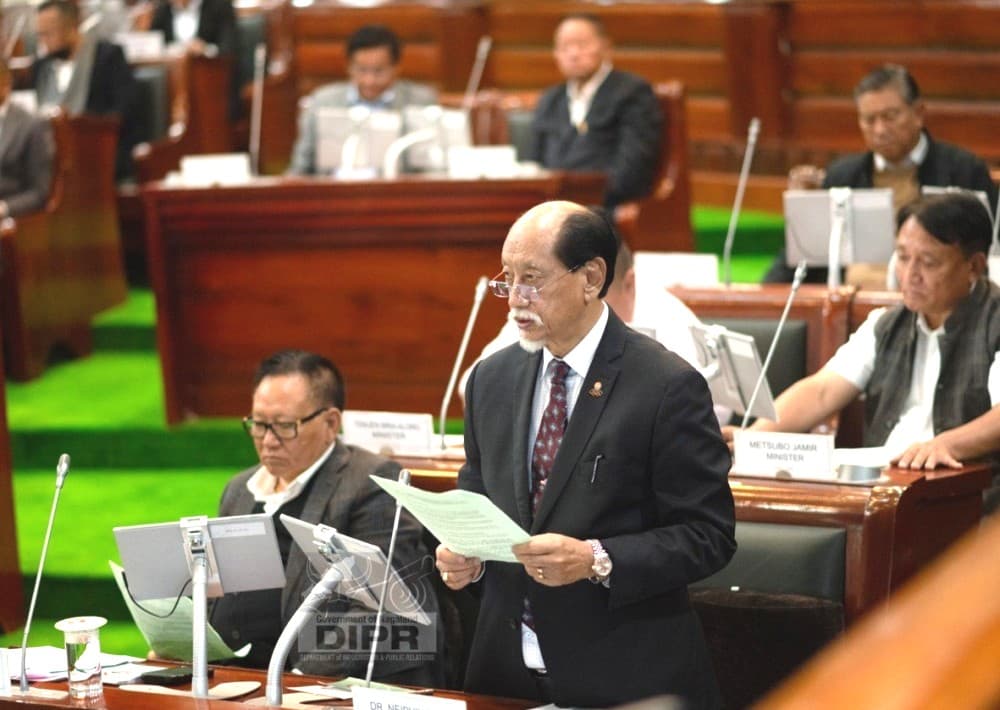
KOHIMA — Chief Minister Neiphiu Rio on Tuesday proposed enhancing the Local Area Development Programme (LADP) allocation for all 60 constituencies and directing the additional funds towards skill training and nano enterprises at the grassroots level.
Speaking during the budget discussion in the Nagaland Legislative Assembly, Rio urged MLAs to identify candidates in their constituencies and support livelihood activities such as barbering, electrical work, plumbing, carpentry and tailoring.
“Therefore, this budget, if members agree, I would like to enhance a little bit of our LADP to all the constituencies and that increase should be targeted to skill or used in your own respective constituencies,” Rio said.
The discussion on the role of Micro, Small and Medium Enterprises (MSMEs) in strengthening Nagaland’s economy was initiated by Advisor for Industries and Commerce Hekani Jakhalu under matters of urgent public importance (Rule-50), with Advisors Z Nyusietho Nyuthe and Kudecho Khamo supporting the issue.
NLA session updates: Chief Minister Neiphiu Rio warns against multiple entries in upcoming census
MLA Achumbemo Kikon seeks BRO takeover of Wokha–Bokajan road
Nano enterprises dominate
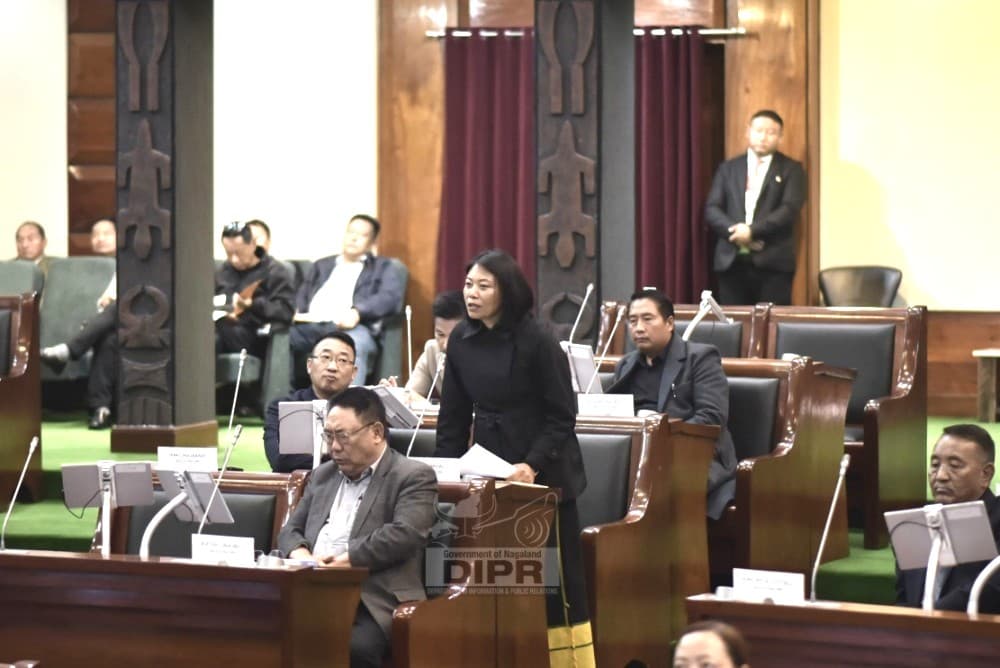
Jakhalu said around 95% of businesses in Nagaland are nano enterprises — ultra-small units often run by individuals or partnerships in sectors such as repair work, tailoring, salons, weaving, welding, street vending and small manufacturing.
These businesses generally operate with annual turnover below INR 25 lakh and typically require small loans ranging from INR 10,000 to INR 50,000, sometimes up to INR 1 lakh, for raw materials, equipment and working capital.
She urged the government to revisit the Chief Minister’s Micro Finance Initiative (CMMFI) to include nano entrepreneurs or create a separate fund.
“This has become necessity not as a sympathy or rescue measure for nano and micro entrepreneurs but as a rescue measure for our state,” she said.
Jakhalu said formal financial institutions often consider lending to nano enterprises risky, forcing many entrepreneurs to borrow from local money lenders at high interest rates.
Banks warned over lending complaints
Rio informed the House that Nagaland currently has 48,655 enterprises registered on the Udyam portal, of which 48,464 are micro enterprises, most of them nano enterprises. Only 175 are small enterprises and 16 are medium enterprises.
Under the Chief Minister’s Micro Finance Initiative, 777 MSMEs have been established with total project investment of INR 65.31 crore, expected to generate more than 1,500 direct jobs.
He said government subsidy of INR 19.37 crore has leveraged INR 65.31 crore in investment, producing a fiscal multiplier of about 3.3 times.
WATCH MORE:
Rio also said the government would take a “serious look” at allegations that banks are discouraging young entrepreneurs.
“If the allegations are found to be true, it means banks are not helping youth but working against the system and discouraging entrepreneurs from doing business,” he said.
Under the MSME support framework, the state provides 30% assistance, banks finance 60%, and entrepreneurs contribute 10%, with repayment structured over five years.
Legislators flag issues
Advisor Z Nyusietho Nyuthe said Nagaland is “a capital crunch state and not resources crunch state,” noting that despite rich mineral resources, the state lacks industries capable of employing youth.
Referring to Article 371(A), particularly provisions related to ownership of land and its resources, he suggested examining the clause and exploring mineral resources for the benefit of the state and landowners.
Advisor Kudecho Khamo said banks must come forward as economic partners, adding that the overall performance of financial institutions in the state has been “very poor.”
MLA Jwenga Seb said the discussion should move from recognising potential to creating actionable strategies linking finance, infrastructure, markets and skills.
Advisor Wangpang Konyak said MSMEs remain the main avenue for employment generation in the state in the absence of large industries.