


Kuda village in Dimapur is building a sustainable waste management system with recycling, innovation and community participation.
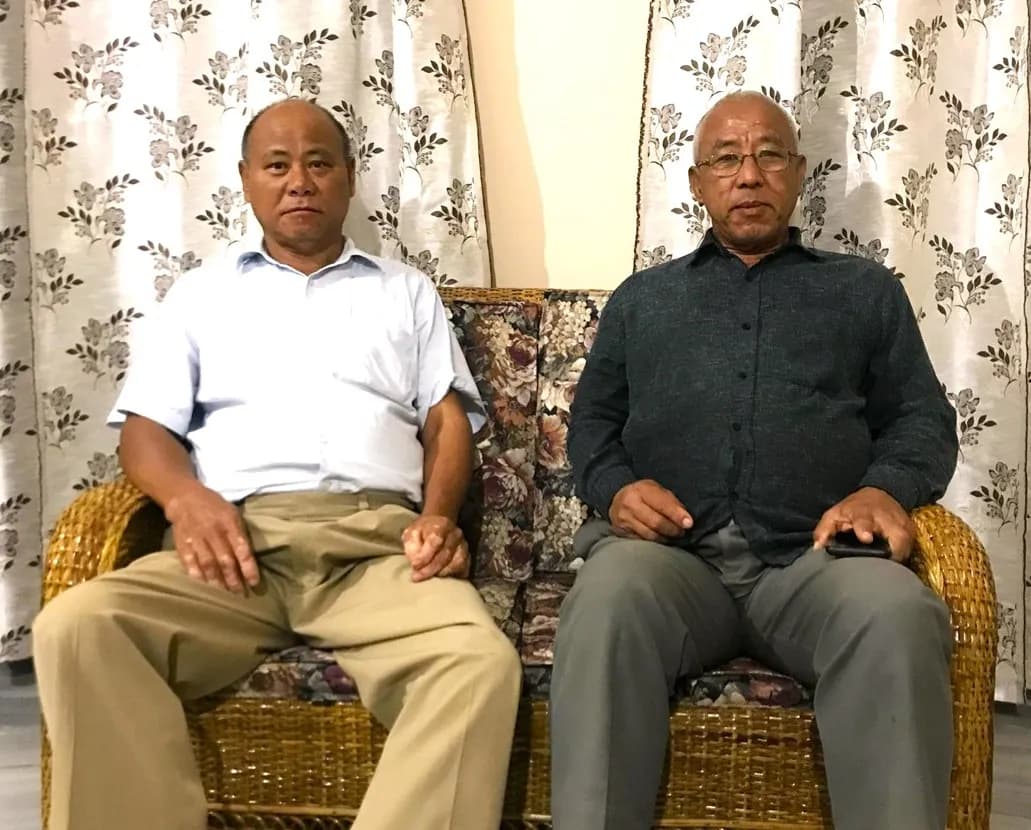
DIMAPUR — Kuda village in Dimapur district is implementing a village-wide sanitation project for 2026 aimed at establishing a sustainable and self-reliant waste management system through community participation, indigenous innovation and long-term environmental planning.
According to a DIPR report, the Kuda Waste Management Committee under the Kuda Village Council has developed the project based on more than two decades of experience in waste collection, recycling and community participation.
Formerly known as Nagarjan Village, it was officially renamed Kuda Village following a Ministry of Home Affairs notification dated July 11, 2008. The village comprises Kuda A, Kuda B and Kuda C Khels and had approximately 3,000 house tax-paying households as of March 2026.
The need for a dedicated waste processing and disposal facility became urgent after the Dimapur Municipal Council's dumping site stopped accepting waste from several neighbouring colonies and village councils, including the East Dimapur Town Committee, in early 2026.
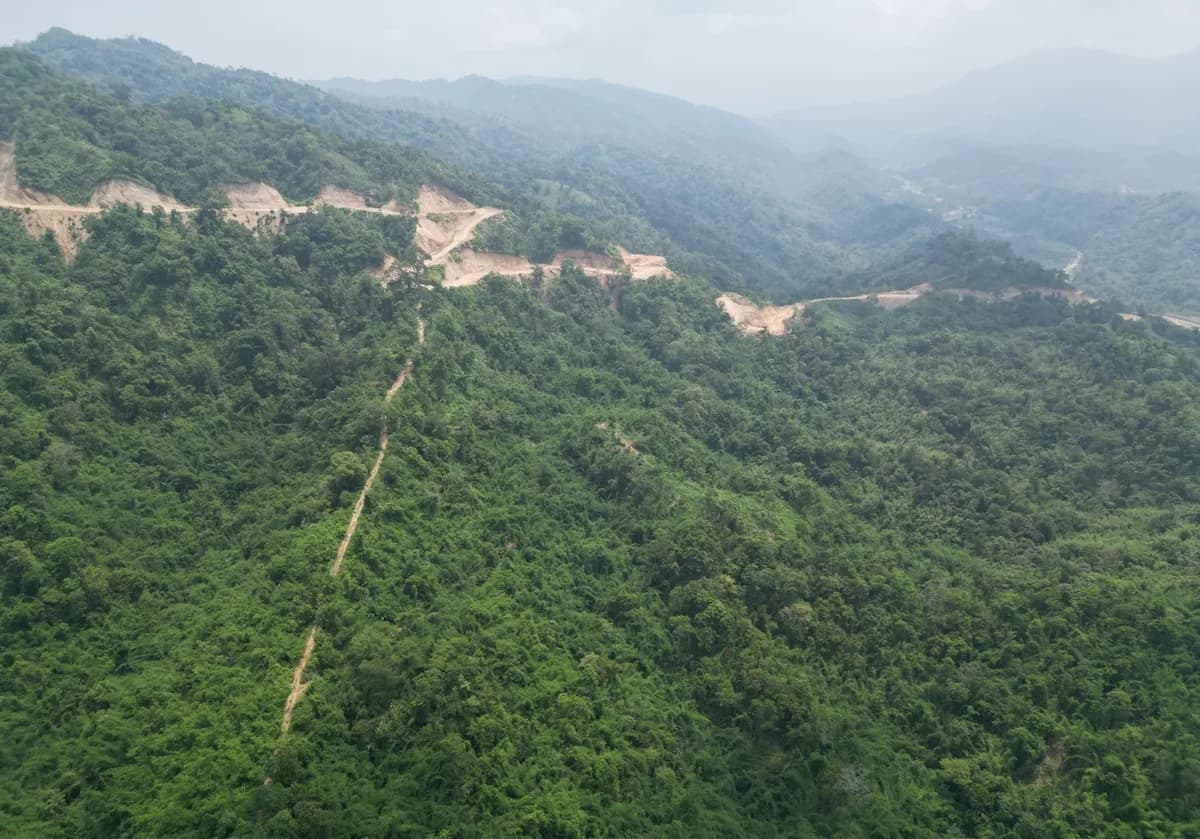
Following surveys, Seithekima was selected for the proposed waste processing facility because of its distance from human settlements, favourable terrain and accessibility. Kuda village purchased about 50 puras of land at Seithekima for INR 82 lakh through community resources. The site is connected by an existing approach road and is about 25 km from Kuda Village via the Patkai four-lane highway.
Two decades of waste management
The present initiative traces its origins to Kuda C Khel. In 1998, Alhoulie Belho began organised waste collection using a handcart. In 2003, the Kuda Village Council constituted the Waste Management Committee, which introduced trial waste collection services in Kuda C Khel. Monthly sanitation fees enabled the committee to operate a pickup vehicle with sanitation workers providing door-to-door collection services.
The committee subsequently expanded its activities beyond waste collection by introducing vermicomposting of biodegradable waste, collection of kitchen waste for pig farming and conversion of waste plastics into fuel through small-scale pyrolysis. The model later informed sanitation initiatives introduced in Kohima Municipal Council wards during 2009-10 under the Chief Minister's Corpus Fund.
Indigenous recycling technologies
In late 2020, Kelhousesi Angami and Mhiesilhouto Savino designed and fabricated indigenous waste-processing equipment using locally available materials with financial support from the Kuda Village Council. Based on the principles of reduce, reuse and recycle (3R), the facility now operates locally developed machines to reduce the quantity of waste requiring final disposal.
The facility currently processes nearly one truckload of waste daily, handling about 2,950 kg of waste. The equipment includes a segregater for separating mixed waste, a manual baler for compressing plastic waste, a mini pyrolysis unit converting waste plastics into combustible oil, a glass crusher producing glass sand for construction blocks, a thermocol shredder for lightweight building blocks and a plastic bottle cutter producing broom fibres.
Planning the Seithekima facility
Speaking on the project, waste management expert Kelhousesi said the village had initially purchased a 90 ft by 100 ft plot at Master Colony in Dimapur as a waste disposal site. The accumulation of legacy waste later required removal at a cost of several lakhs of rupees and created environmental and public health concerns.
"That experience taught us an important lesson – not to simply dump waste but to lay the groundwork for long-term planning through recycling and proper disposal," he said.
He said the committee later conceptualised the Waste Processing Facility at Seithekima, about three kilometres from human settlements, with plans to develop it into an integrated resource recovery, agroforestry and eco-learning park. He said the present Kuda site lacks infrastructure to accommodate visits by students and educational institutions.
"The new site will take that into account. We want it to become a place where people, especially students, can learn through hands-on experience," he said.
While acknowledging government support, Kelhousesi said public participation remains essential for successful waste management.
He advocated greater emphasis on recycling instead of only banning plastics and referred to ‘extended producer responsibility’, stating that manufacturers should take responsibility for managing waste generated from their products. He also said government-distributed dustbins often become full within a few days without an effective collection and disposal system.
"Ultimately, it is the people who will pay the price, so people must develop the responsibility to tackle the waste problem," he said, adding that banning the burning of waste under the Solid Waste Management Rules, 2026, would have little meaning without practical alternatives.
Also read: Assam Rifles inaugurates library, conducts debate competition and medical camp in Nagaland
Expansion and financing
Kelhousesi said convergence among stakeholder departments is necessary for effective waste management. Referring to the Black Soldier Fly (BSF) experiment, he said kitchen waste can be converted into protein-rich feed for fish and poultry through BSF.
The Seithekima site will include scientific waste segregation units, improved internal roads, plantations of bamboo, fruit and commercial tree species, agro-horti-forestry demonstration plots and cultivation plots for youth to promote sustainable farming. The committee also plans phased procurement of additional tipper trucks and smaller collection vehicles for village-wide door-to-door waste collection.
To ensure long-term sustainability, the village council has proposed a financing model comprising a one-time contribution from households, institutions and commercial establishments for acquisition and development of the site, followed by monthly sanitation fees for waste collection, transportation, vehicle maintenance and payment of sanitation workers.
The proposal also includes digital payment facilities, QR code-enabled transactions, separate receipt systems and weekly monitoring to improve transparency and accountability. The committee expects the model to generate resources for sustaining operations and expanding waste management infrastructure.
Next phase of implementation
Chairman of the Kuda Village Council (Waste Management Committee), Ajabu Meru, said basic facilities at the site are expected to become operational within the next couple of months, although all proposed machinery may not be installed immediately.
"All the machinery may not be set up at once, but the basic requirements are expected to be put in place within the next couple of months and made operational. We will gradually scale up the recycling facilities with the support of Er. Kelhousesi Angami and Mhiesilhouto Savino, who are the brains behind this initiative," Meru said.
He said the committee is completing the final approach road within the site and securing electricity connectivity to enable operations to begin.