


Research by Dr. Veto Khesoh identifies Lünyi scientifically and reveals antibacterial potential for future antibiotic discovery.
DIMAPUR — Assistant Professor of Chemistry at St. Joseph's College, Jakhama, Dr. Veto Khesoh has contributed to the scientific understanding of Lünyi through his doctoral research conducted at Nagaland University, which may provide clues to future antibiotics.
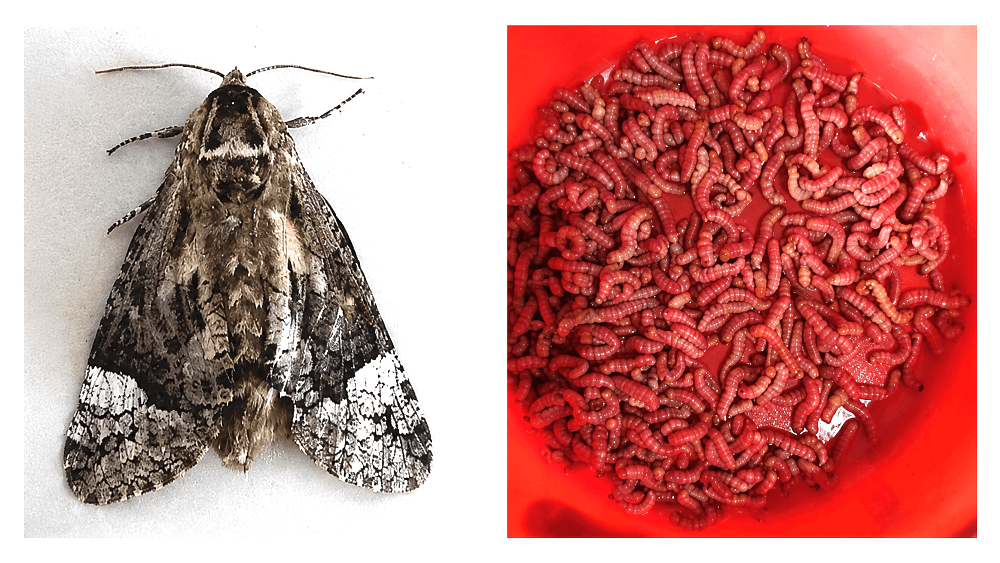
The study uncovered important scientific findings on Lünyi, a traditional edible insect delicacy widely consumed in Nagaland and commonly sold in markets, particularly in Kohima.
Lünyi, the larval stage of an oak borer moth, has long been recognised and consumed by local communities. However, despite its popularity, uncertainty has often existed regarding its precise scientific identity.
An update noted that through detailed morphological examination and modern DNA-based analyses, the researchers confirmed the species as Chinocossus acronyctoides (Lepidoptera: Cossidae).
To establish the identity of the species, the researchers employed DNA barcoding using the mitochondrial cytochrome c oxidase subunit I (COI/COX1) gene, one of the most widely accepted molecular markers for species identification. The generated DNA sequence has been deposited in the National Center for Biotechnology Information (NCBI) GenBank database under accession number PP358253, providing a genetic reference for scientists and future biodiversity studies worldwide.
Also read: Nagaland: Ancient caves in Noklak reveal 3,500-year-old human settlement
The study further examined the evolutionary relationship of Chinocossus acronyctoides with other members of the family Cossidae through phylogenetic analysis. The results confirmed its close relationship with other Asian cossid moth species and provided scientific evidence supporting its taxonomic placement.
Researchers also noted that the species is not restricted to Nagaland alone. Records indicate that Chinocossus acronyctoides is distributed across several parts of Asia, including China and Vietnam, suggesting a wider geographical range than generally recognised by the public.
Beyond species identification, the study explored the chemical composition of volatile organic compounds (VOCs) produced by Lünyi larvae. Using advanced analytical techniques, including solid-phase micro-extraction coupled with gas chromatography-mass spectrometry (SPME-GC-MS), the researchers identified numerous naturally occurring, saturated and unsaturated fatty compounds associated with the insect.
One of the most significant findings of the study was the antibacterial activity exhibited by the extracts derived from the larval volatile compounds.
Laboratory investigations demonstrated inhibitory effects against several disease-causing bacteria, including Staphylococcus aureus, Bacillus subtilis, Escherichia coli, and Klebsiella pneumoniae.
The findings suggest that insect-derived compounds may possess promising bioactive properties and could potentially contribute to future research in antimicrobial drug discovery.
According to the researchers, the study not only resolves questions regarding the scientific identity of the popularly consumed Lünyi but also highlights the untapped scientific and biotechnological potential of indigenous biological resources found in Northeast India.
“The findings have not only been published in an international scientific journal but have also resulted in the grant of a patent based on the insect's antibacterial properties, demonstrating the potential practical applications of the research,” it read.
The research was conducted at the Department of Chemistry, Nagaland University, under the supervision of Dr. Prabhakar Maddela and forms part of the doctoral research carried out by Dr. Veto Khesoh.