


Naga women at a Dimapur meet backed 33% reservation in Parliament and assemblies, calling it long overdue for inclusive governance and equal representation.
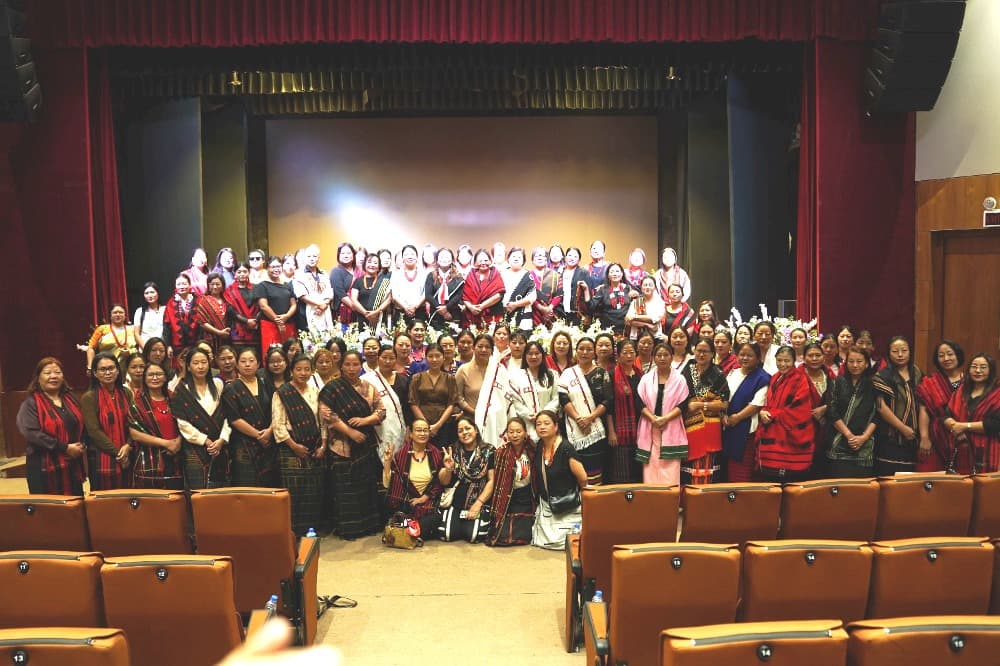
DIMAPUR — Cutting across party, tribal and organisational lines, a group of Naga women on Thursday resolved to support the passage and implementation of the 33% women’s reservation in Parliament and state assemblies, terming it long-overdue justice and a necessary step towards inclusive governance.
Clad in traditional attire, women leaders and representatives from across Nagaland gathered at the Mahila Sammelan held at Town Hall, Dimapur, where they collectively endorsed a resolution backing the quota. The signed document will be forwarded to New Delhi.
Speakers described the proposed reservation as not merely a political provision but a moral imperative to correct decades of underrepresentation.
They stressed that meaningful inclusion of women in decision-making would strengthen governance and ensure more balanced policies.
Dimapur Municipal Council deputy chairperson Imlinaro Ezung credited the 33% reservation as the “first motivation” for her entry into public life.
Recounting her journey, she said that she had initially contested when her ward was reserved for women in the 2023 civic polls, even though it was later converted into a general seat.
WATCH MORE:
Ezung highlighted the surge in women’s participation in the Urban Local Body elections, with 198 women contesting. Of these, 102 won from reserved seats and eight from unreserved seats.
“This clearly shows Naga women are ready and there is a shift in political attitudes,” she said.
Also read: Three Bills to tweak women's quota law, set up delimitation panel introduced in Lok Sabha
Crediting Chief Minister Neiphiu Rio, she said that the implementation of 33% quota after a gap of two decades reflected a “targeted approach” to bring women into governance. She also pointed to the introduction of a gender-focused budget and support for women entrepreneurs.
Ezung maintained that the reservation is “not about replacing anyone but ensuring inclusive leadership,” and urged women to engage with “open minds and confidence.”
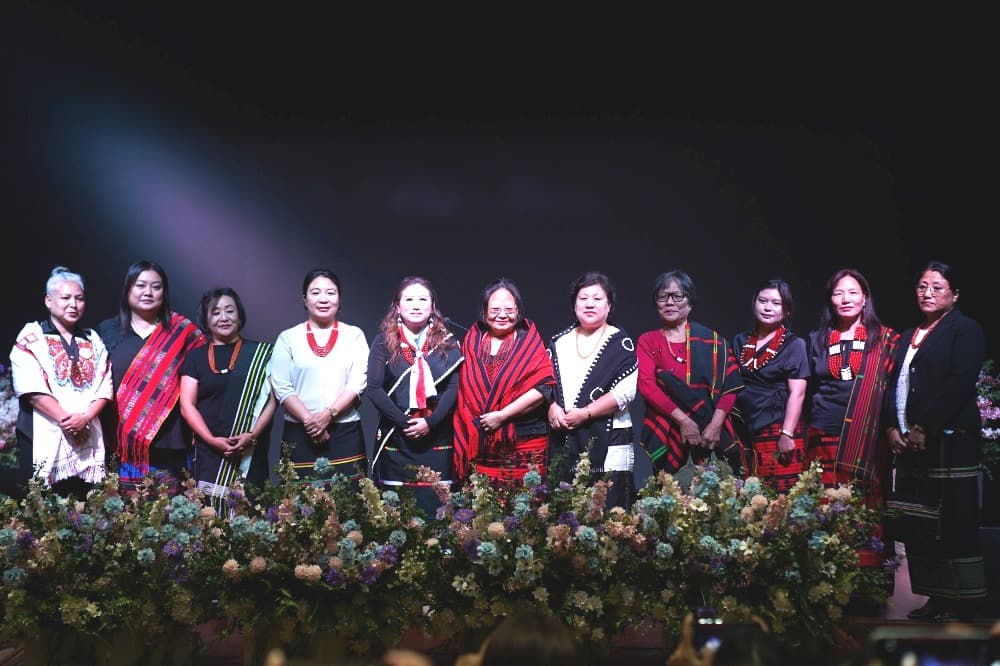
‘From words to action’
NPF women wing working president Vikali A Zhimomi described the Nari Shakti Vandan Adhiniyam as a historic shift from rhetoric to action.
“For 75 years we spoke about equality. This Act moves us from words to action by reserving 33% of seats,” she said, adding that representation is “not a favour but a foundation of justice.”
Zhimomi noted that despite forming nearly half the population, women remain underrepresented in law-making bodies. She argued that greater participation would influence policies on health, education, safety and economic growth.
According to her, the quota addresses systemic barriers and creates a leadership pipeline for future generations. She also highlighted provisions for SC/ST reservation within the quota and a review clause after 15 years.
ALSO WATCH:
Pointing to Nagaland’s progress, she said that women already hold over 37% of seats in urban local bodies, surpassing the mandated quota.
NPP women wing president Audrey echoed similar sentiments, calling the reservation “justice long overdue.”
“Naga women are the backbone of society, yet absent from decision-making spaces,” she said. “This is about exclusion, not tradition.”
She cautioned against delays in implementation due to delimitation and urged lawmakers to act decisively. “Justice delayed for women is democracy denied,” she asserted, encouraging women to claim leadership roles with confidence.
Broad-based support
Tenyimia Women Association president Kerei Pfükha termed the proposal a “renewed empowerment” for women and recalled decades-long aspirations for political inclusion. While welcoming the move, she urged that implementation should respect Naga cultural and social values.
Dimapur Women for City Impact coordinator Khontele Seb framed the issue as both moral and theological, stating that exclusion of women undermines human dignity. “This is about restoring justice and shared participation,” she said, adding that empowering women benefits society as a whole.
Eastern Naga Women Organisation president Yingphi Konyak outlined six key reasons for the quota, including correcting historical imbalance, improving governance, creating equal opportunity, and inspiring future generations. She described the reservation as a “corrective, not permanent” measure.
Responding to criticism from the Nagaland Mahila Congress, BJP Mahila Morcha state president Tsachola Rothrong dismissed allegations that the quota was being used for electoral gain.
“This is not about any party. It is for all women,” she said, adding that every political group would benefit once the law is implemented.
On delimitation, Rothrong said that the exercise could potentially increase Nagaland’s representation in Parliament, which would aid development.
The gathering concluded with a unified call for timely and sincere implementation of the 33% reservation, with speakers asserting that women’s empowerment is not a sectional issue but central to building a just and progressive society.