


Dimapur's three apex bodies and non-Naga civil society organisations held a consultative meeting to discuss ILP and civic issues.
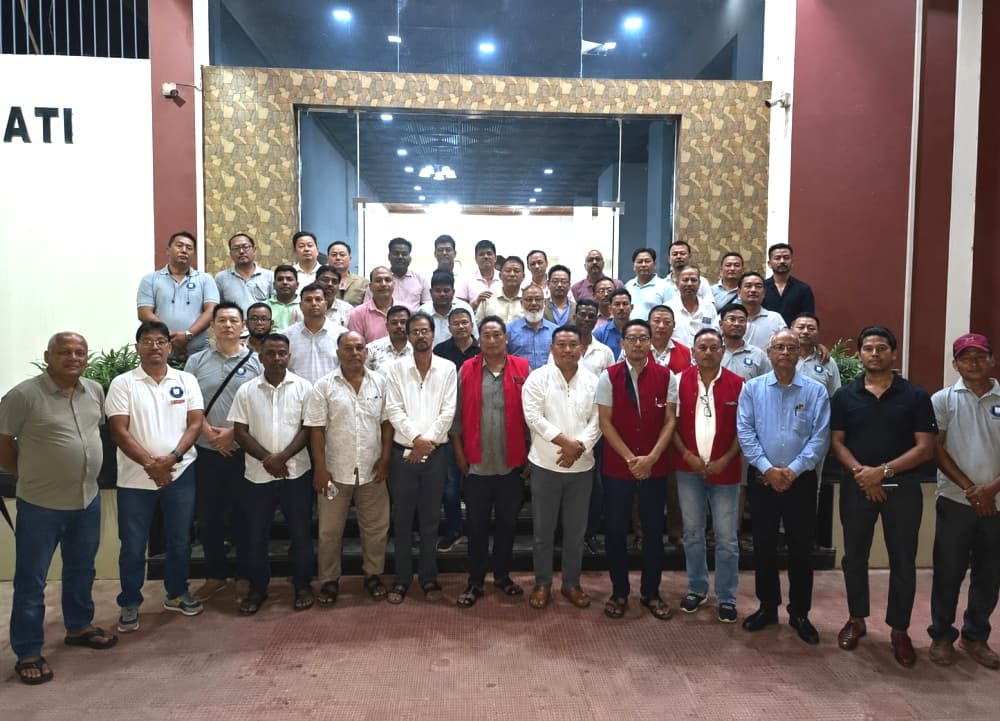
DIMAPUR — Reaffirming their commitment to fostering mutual understanding and addressing key challenges facing the city, three apex bodies of Dimapur—the Dimapur Urban Council Chairmen's Federation (DUCCF), Gaon Bura Union Dimapur Sadar (GBUDS), and Dimapur District Gaon Bura Association (DDGBA)—held a consultative meeting with various non-Naga civil society organisations (CSOs) operating in Dimapur.
According to a press release issued by the DUCCF, the meeting was held on July 11 at the conference hall of Hotel Saramati, Dimapur.
The organisers said the meeting was convened in recognition of the fact that members of different communities live and operate businesses across localities under the jurisdiction of village councils, chairmen, and Gaon Buras, making regular consultation essential for maintaining harmony and addressing common concerns.
The meeting was chaired by DUCCF president Zasivikho Zakiesato, GBUDS president Kholie Kapfo, and DDGBA president Hokuto Zhimomi. Representatives from a wide range of non-Naga organisations attended, including Bihari Samaj, Nagaland Bhojpuri Samaj, Marwari Samaj, Jain Samaj, Agarwal Samaj, Gorkha Union, Oswal Samaj, Dimapur Bengali Samaj, Sikh Samaj, Telugu Samaj, Gorkha Youth Club Dimapur, Muslim Council Dimapur, Dimapur Meitei Council, Oria Samaj, Tibetan Welfare Dimapur, Brahman Samaj, and others.
Read more: Dimapur aims to lead India's NetZero district movement
During the meeting, participants held detailed discussions on several issues affecting the city. Among the key topics were the implementation of the Inner Line Permit (ILP) and matters relating to indigeneity. The participants also examined the impact of the floating population on civic infrastructure and public services, while exploring sustainable approaches to accommodate diverse communities without compromising social stability.
Another major issue discussed was the widespread collection of money by various unions and the process of issuing permits to such organisations. Participants expressed concern over the burden these collections place on businesses and residents and called for greater regulation, transparency, and accountability to streamline civic processes and reduce undue pressure on the public.
Speaking on behalf of the three apex bodies, the leadership said the consultative meeting marked an important step towards strengthening cooperation between Dimapur's traditional institutions and the non-Naga community.
"Dimapur is a mini-India and a vibrant multicultural city. It is imperative that all stakeholders work together in harmony to address common challenges. Today's dialogue on issues such as ILP, union collections and community welfare marks a significant stride in that direction," the joint leadership stated.
Representatives of the participating CSOs welcomed the initiative, describing it as a valuable platform for open dialogue. They also reaffirmed their commitment to working with the DUCCF, GBUDS and DDGBA to build a safer, more inclusive and prosperous Dimapur.
The meeting concluded with a resolution to continue such consultations and work towards practical solutions that benefit all sections of society.