


An African Swine Fever surveillance and inspection drive was carried out in Wokha town to monitor livestock health.
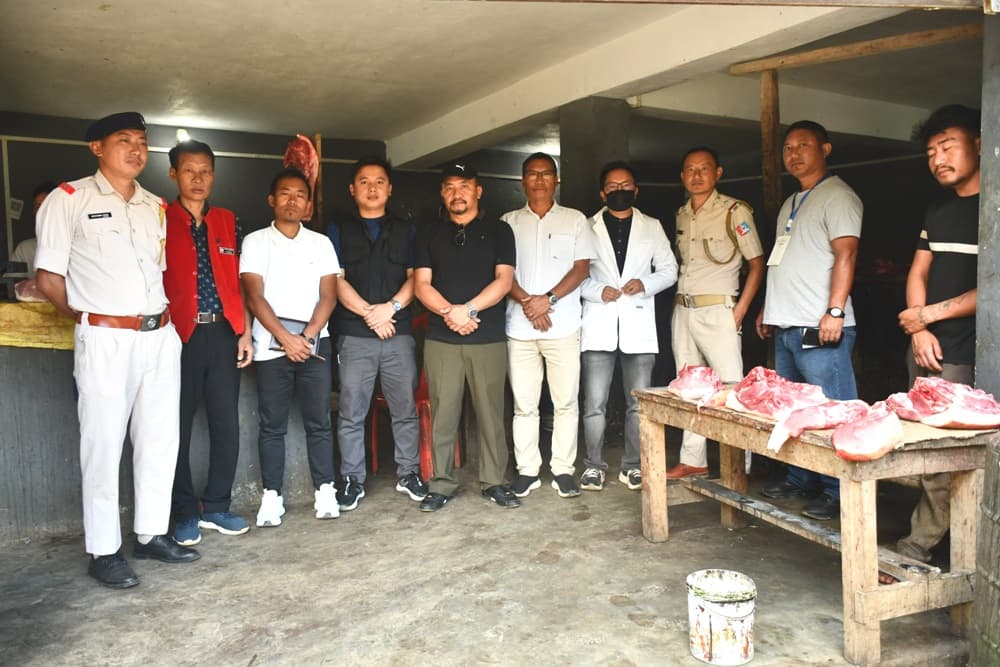
DIMAPUR — An African Swine Fever (ASF) surveillance and inspection drive was conducted in Wokha town and its adjoining areas, including Wokha village and Vankhosung, on Wednesday. The drive was carried out under the directive of the deputy commissioner (DC) of Wokha.
According to an update, the inspection team comprised officials from the Department of Animal Husbandry and Veterinary Services, district administration, police, and members of the Wokha Town Council.
Led by Chief Veterinary Officer Wokha K N Zubemo Humtsoe and EAC Wokha Thepfuzakie Sanchu, a total of nine officials from the concerned departments participated in the exercise. The team inspected nine stockyards and 18 butcher shops and meat outlets, conducting ante-mortem examinations of 52 live pigs.
During the inspection, body temperatures and clinical signs were monitored, while 24 tissue and meat samples were collected from butcher shops for ASF surveillance. Six random live pigs were screened using ASFV Rapid Detection Kits, and sanitary and hygienic practices at slaughter points and outlets were closely observed. Veterinary health certificates, sources of animals, and transportation documents were also verified to ensure compliance.
Also read: Nagaland AH&VS department issues advisory amid ASF outbreak
DC Wokha issues SOPs following detection of African Swine Fever
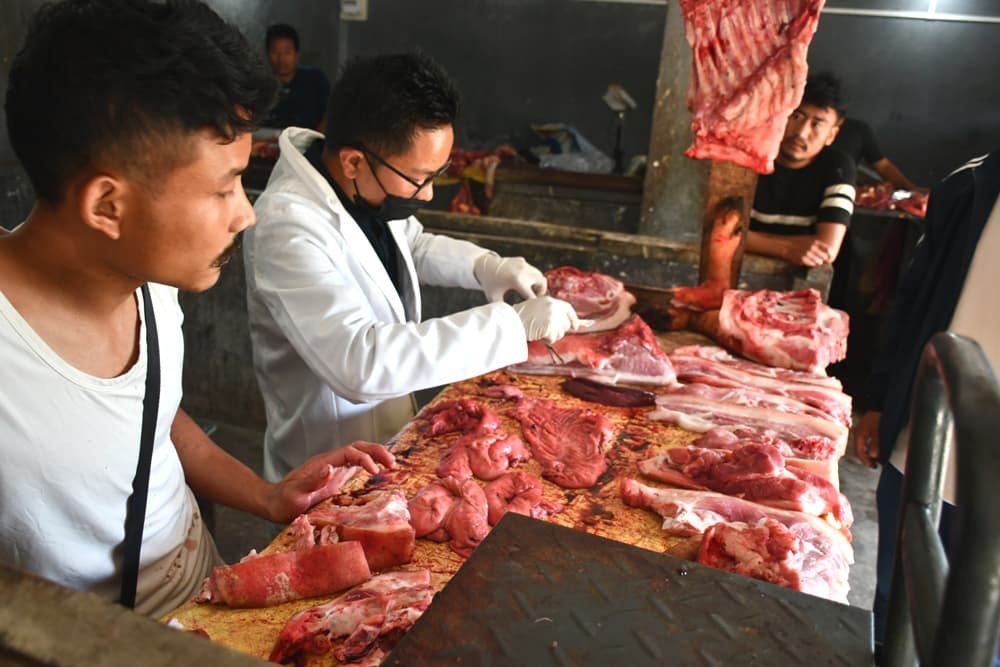
The Veterinary department employed multiple testing methods, including rapid detection kits, temperature monitoring devices, and on-spot blood sampling for suspected cases. Portions of meat were collected for laboratory analysis, and all animals were checked against valid health and transportation certificates.
The findings of the inspection revealed no clinical signs suggestive of ASF, and all samples tested negative during the exercise. However, authorities pointed out that this does not amount to a declaration of ASF-free status, and vigilance must continue.
The inspection team advised that live pigs should only be sourced from ASF-free farms and zones with valid veterinary certification and highlighted the importance of strict ante-mortem and post-mortem inspections. They further pointed out the need for proper hygiene and sanitation in all stockyards and butcher shops and insisted that every transportation of pigs must be accompanied by valid permits and health certificates issued by competent veterinary authorities.
Officials confirmed that ASF surveillance, sample collection, and rapid testing will continue regularly to ensure early detection. Surprise inspections will also be conducted from time to time to maintain vigilance and safeguard livestock health, farmers' livelihoods, and public confidence in meat safety.