


Y Patton flags extortion in three districts and urges Naga unity, while Ayemi cautions against tribalism and cultural erosion at Tokhu Emong
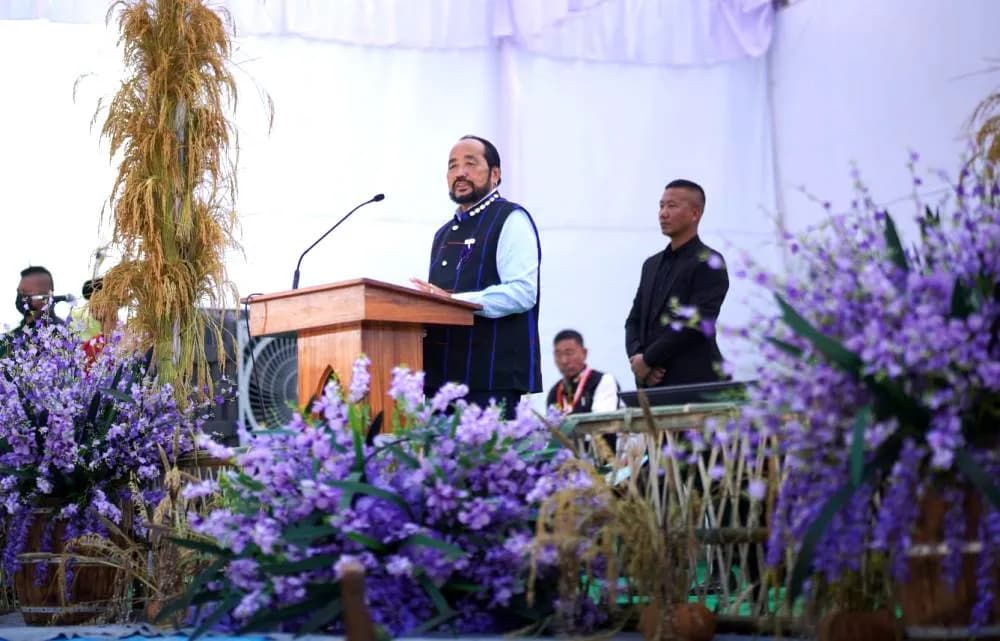
DIMAPUR — Deputy Chief Minister Y Patton on Saturday flagged the growing menace of extortion in Dimapur, Niuland and Chümoukedima, while calling for greater unity among Naga political groups and stronger efforts to preserve indigenous languages and cultural identity.
Speaking at the Tokhu Emong celebration organised by Dimapur Lotha Hoho at the Multi Disciplinary Sports Complex in Dimapur, Patton expressed concern over the growing demands for donations, stating that the highest levels of extortion were linked to such demands.
On the Naga political issue, the deputy chief minister said the government of India would not provide separate solutions to 36 or 37 factions, and urged the different groups to unite and coordinate their efforts to move the issue forward. He reminded that the public had also been calling for all groups to come together and work towards unity.
Emphasising the importance of preserving Lotha identity, Patton expressed concern over the declining use of Lotha language, particularly among children. He said that many youngsters could no longer speak their mother tongue and urged parents to take responsibility for passing on the language at home, instead of leaving the task to schools alone.
"Many of our children cannot speak their mother tongue. If we do not teach them at home, who will?" he said.
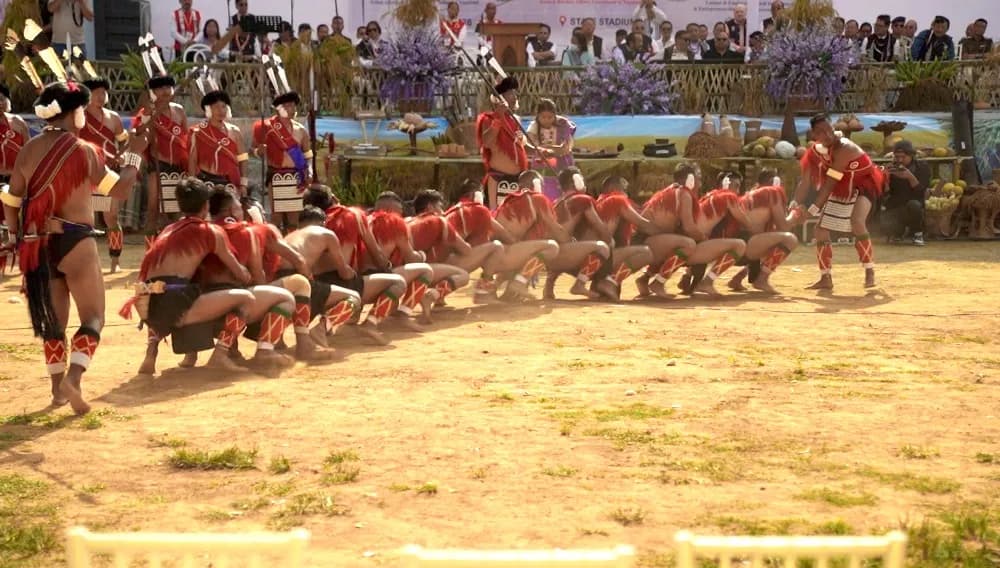
Patton also called for greater community participation, suggesting that the Lothas consider organising a collective celebration every three or four years rather than holding separate events annually. Such an initiative, he said, could strengthen relationships and provide opportunities for people to know one another better. He urged the community to reciprocate the cooperation extended by other communities during their respective celebrations.
Describing Tokhu Emong as more than a post-harvest celebration, he said the festival was an occasion to thank God for good health, protection and the opportunity to witness another year. He also described it as a time for reconciliation, forgiveness and setting aside misunderstandings.
Reflecting on his 44 years in politics, Patton urged the community to move forward with mutual understanding and a shared commitment to the future.
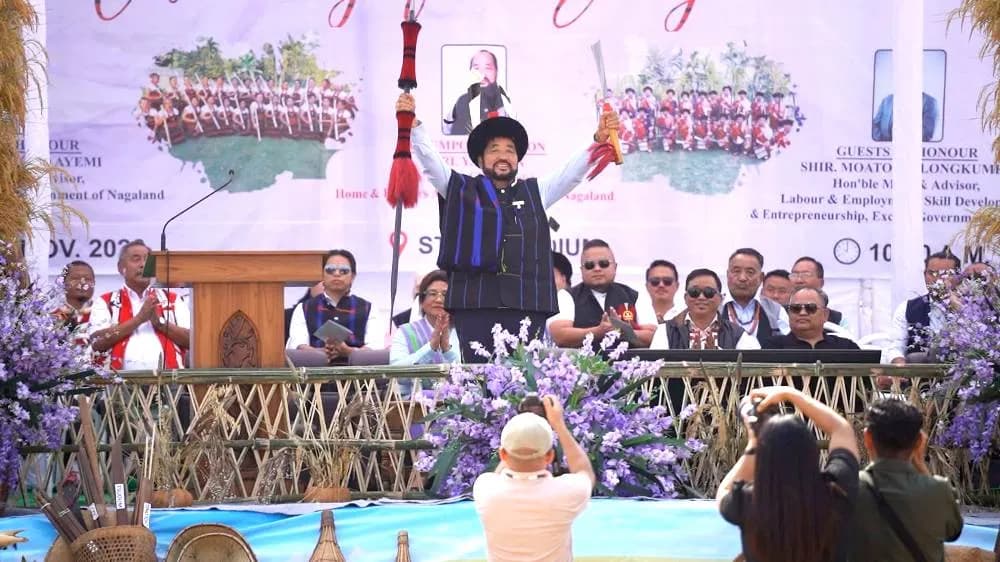
He encouraged students to pursue their ambitions through hard work rather than seek qualifications alone, while cautioning them against the misuse of mobile phones.
Advisor Tovihoto Ayemi called for a balance between tribal identity and a shared Naga identity, cautioning that growing tribal divisions could weaken the collective strength of the Naga people.
Ayemi said Nagaland was undergoing a period of transition, caught between its traditional roots and the pressures of modernisation. While acknowledging the importance of clan, tribe and village institutions in providing security and a sense of belonging, he warned against allowing tribal affiliations to overshadow the larger Naga identity.
"When tribalism dictates our politics, our employment opportunities, and our social circles, we fracture our own strength," he said.
He clarified that taking pride in one's tribe was not the problem, but allowing such pride to become a source of division was. Comparing tribes to branches of the same tree, he said the shared Naga identity was the trunk that sustained them.
On cultural preservation, Ayemi cautioned that the growing adoption of Western lifestyles, global languages and commercial trends was contributing to the erosion of indigenous traditions. He observed that many younger Nagas increasingly relied on Nagamese or English, while traditional institutions such as the morung, which once imparted community values, discipline and oral history, were gradually disappearing.
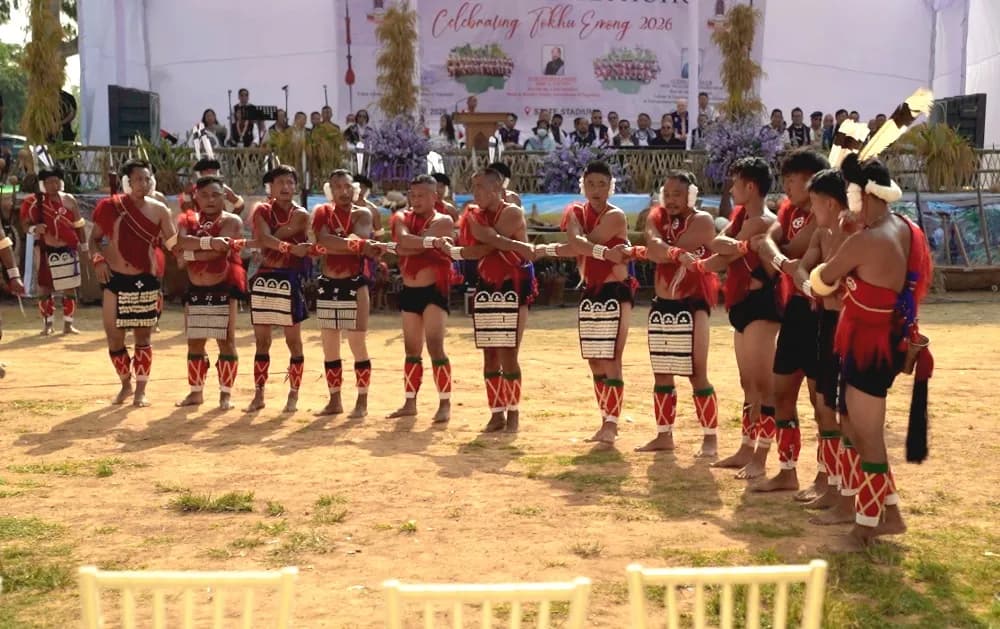
He proposed strengthening inter-tribal platforms, encouraging parents to speak indigenous languages with their children and critically examining customary practices that restrict social equality or women's participation in decision-making.
Ayemi maintained that modernisation need not come at the cost of cultural identity, asserting that being modern did not mean ceasing to be Naga, just as pride in one's tribe should not entail looking down on another.
Advisor Moatoshi Longkumer, meanwhile, praised the Lotha community for its enterprise, hard work and contribution to the growth of Dimapur and wider Naga society.
He said the prosperity celebrated at Tokhu Emong was the outcome of years of sacrifice, determination and willingness to explore opportunities. He particularly acknowledged Lotha youths working outside their home areas, building careers and creating opportunities for themselves and their families.
Longkumer said the community's achievements were a source of pride for other Nagas as well, adding that the future of Naga communities remained interconnected despite their different histories and traditions.
He expressed hope that the festival would strengthen unity, renew determination and inspire younger generations to carry forward the community's enterprising spirit.