


Nagaland records India’s highest nasopharyngeal cancer incidence, with tobacco use, diet and late diagnosis driving high mortality rates.

DIMAPUR — Nagaland has the highest incidence of nasopharyngeal carcinoma (NPC) in India for both men and women, according to a cancer fact sheet presented by a health official at a World Cancer Day programme in Dimapur on Wednesday.
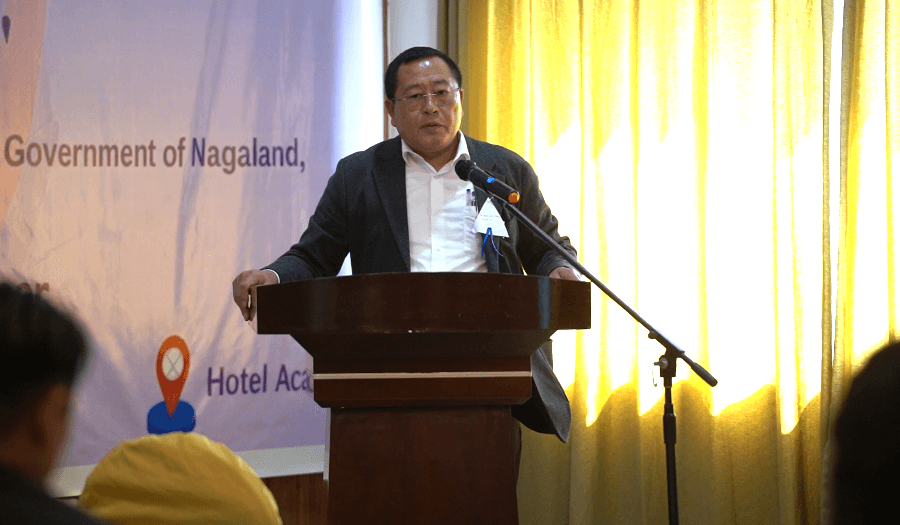
Speaking at a World Cancer Day programme organised by Can Youth in collaboration with the department of Health & Family Welfare in Dimapur, National Health Mission Director Dr. Keveduyi Theyo said the state also remains among the north-eastern states with a high overall cancer burden, linked largely to tobacco use, dietary habits, late diagnosis and limited oncology infrastructure.
According to him, cancer is the fifth leading cause of death in Nagaland, with around 28 deaths per 1 lakh population.
Citing Indian Council of Medical Research (ICMR) registry data, he said that Nagaland’s cancer incidence rate stands at 124.5 per lakh population for men and 88.2 per lakh for women. Among men, the leading cancer sites are nasopharynx (14.3%), stomach (12.6%) and oesophagus (10.6%). Among women, the most common cancers are cervix uteri (16.4%), breast (12.2%) and stomach (11.3%).
The docotor attributed the state’s distinct cancer profile to lifestyle and dietary factors, noting that 43.3% of Nagaland’s adult population uses tobacco in smoked or smokeless form, while 24% of those above 15 years consume alcohol. Betel nut chewing and consumption of smoked and fermented foods, he said, contribute significantly to the high prevalence of upper gastrointestinal cancers such as oesophageal and nasopharyngeal malignancies.
WATCH MORE:
Dr. Theyo said that Nagaland’s cancer pattern differs from most parts of India, where oral cavity, lung and breast cancers dominate, underscoring the need for tailored prevention strategies. He pointed out that limited oncology infrastructure and late-stage diagnoses continue to result in higher mortality.
“Strengthening early detection, awareness and oncology infrastructure is critical to reducing mortality,” he said, adding that while cancer is a global crisis, India — and particularly Nagaland — faces a disproportionate burden because of lifestyle risks and healthcare gaps.

Addressing the gathering, Health and Family Welfare Secretary S Tainu described World Cancer Day as a critical platform for promoting awareness on prevention, early detection and treatment. She maintianed that many cancers are curable if detected early, yet millions still lack access to screening and care.
Referring to this year’s theme, ‘United by Unique’, Tainu said that every cancer journey is different and requires compassionate, equitable and patient-centred care. She urged governments, organisations and individuals to invest in tailored solutions, reduce stigma and ensure that progress reaches all communities.
“Cancer is not just a medical challenge but a human one affecting families, communities and lives,” she said, calling for collective action to promote early detection and equal access to care.
Cancer survivor and ‘Beyond Cancer’ founder Ahimsa Zhimo shared her personal experience, describing the emotional and psychological challenges of living with the disease. She said that stigma and fear of being a burden often prevent patients from seeking timely treatment.
Even after 10 years of being cancer-free, Zhimo said that the experience remains vivid. She recalled her own hesitation in seeking treatment due to fear of judgement and societal pressure, adding that many patients still weigh lineage and family perceptions before deciding on care.
“The Naga mentality is changing, but stigma was a big barrier. People are opening up now, but back then it was tough to disclose due to fear of judgement.
Psychosocial factors played a big role in seeking treatment,” she said.