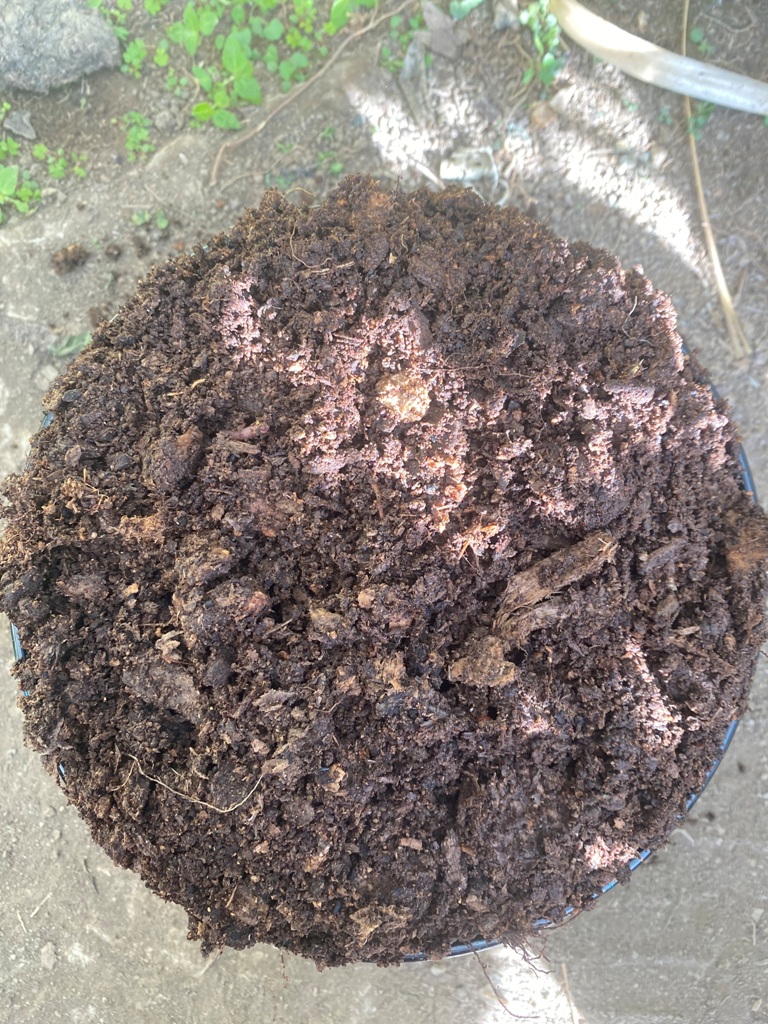
Wood compost, also known as wood humus or wood mulch
compost, is a type of compost made from decomposed wood materials, such as wood
chips, sawdust, or shredded wood. This process involves breaking down to
organic matter into a stable, humus-rich material that can be used to improve
soil health.
Production: The production process involves three primary
stages:
Wood Waste Collection: Wood waste materials, such as wood
chips, sawdust, or shredded wood, are collected.
Composting Process: The wood waste materials are composted,
either aerobically or anaerobically, to break down the organic matter.
Monitoring and Maintenance: The composting process is
monitored and maintained to ensure optimal conditions for decomposition.
Types of wood compost:
Hardwood Compost: Made from decomposed hardwood materials,
such as oak, maple, alder etc.
Softwood Compost: Made from decomposed softwood materials,
such as pine or spruce.
Mixed Wood Compost: A blend of decomposed hardwood and
softwood materials.
Application:
Soil Amendment: Wood compost can be used as a soil amendment
to improve soil structure and fertility.
Mulch: Wood compost can be used as a mulch to retain
moisture, suppress weeds, and regulate soil temperature.
Potting Mix: Wood compost can be added to potting mixes to
improve soil structure and fertility.
Dose of Application:
New Gardens or Poor Soil: 2-4 inches (5-10 cm) of wood
manure can be applied as a mulch or incorporated into the soil.
Established Gardens: 1-2 inches (2.5-5 cm) of wood manure
can be applied as a mulch or incorporated into the soil.
Container Gardens: 10-20% of the potting mix can be replaced
with wood manure.
Improves Soil Structure: Wood compost helps in improving
soil structure, increasing its water-holding capacity and aeration.
Increases Soil Fertility: Wood compost is rich in nutrients,
such as carbon, nitrogen, and phosphorus, which helps in
increasing soil
fertility.
Supports Beneficial Microbes: Wood compost provides a
habitat for beneficial microorganisms, promoting soil health and biodiversity.
Reduces Soil Erosion: Wood compost reduce soil erosion by
improving soil structure and increasing its water-holding capacity.
Wood compost is a valuable soil amendment that offers
numerous benefits for soil health, fertility, and ecosystem function. By
understanding the benefits, production process, and applications of wood
compost, gardeners and farmers can unlock the full potential of this natural
resource and promote sustainable agriculture practices for a better future.