DAVOS — Even as
plastic waste continues to pose an urgent global challenge, seven more
countries have joined the fight against plastic pollution, taking the total to
25 at the recently concluded World Economic Forum’s annual meeting here.
The seven new countries -- Angola, Bangladesh, Gabon,
Guatemala, Kenya, Senegal, and Tanzania -- will contribute to WEF’s Global
Plastic Action Partnership (GPAP) by scaling up systemic plastic waste
management solutions and fostering greater sustainability and climate
resilience worldwide.
These will also drive systemic solutions to key challenges
such as advancing sustainable materials, strengthening recycling systems,
tackling greenhouse gas emissions, and more.
“Reaching this 25-nation milestone is not just a celebration
of numbers, it’s a testament to the growing global determination to tackle one
of the world’s most pressing challenges,” said Clemence Schmid, Director of
GPAP, World Economic Forum.
“These partnerships are not just symbolic, they represent
concrete commitments to rethinking how plastics are produced, managed, and
reused. Together we are charting a path towards a circular plastics economy
that benefits people and the planet,” Schmid added.
The GPAP has already mobilised $3.1 billion in investments,
created safer jobs for informal waste workers, and supported countries in
achieving measurable progress on sustainability and climate resilience.
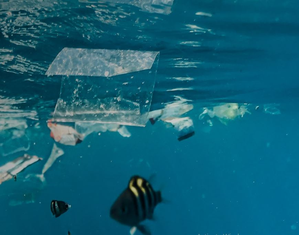
About 6 million tonnes of plastic waste enters oceans each
year and over twice that amount pollutes land, mismanaged plastic waste is
severely disrupting ecosystems, harming biodiversity, and threatening human
health and livelihoods across the world.
Besides curbing plastic pollution, GPAP also contributes
significantly to climate change. Plastic pollution is responsible for an
estimated 1.8 billion tonnes of greenhouse gas emissions annually.
GPAP’s systemic approach to waste management can drastically
reduce landfill emissions such as methane -- over 80 times more potent than CO2
in the short term. It aims to promote circular systems and to contribute to
cutting emissions from the plastics sector while fostering economic growth
through green jobs.
It also aims for creating circular solutions that could lead
to 6 million jobs globally by 2030, with the plastics sector driving much of
this transformation.