KISAMA — For visitors to the 25th Hornbill
Festival, the experience of relatively seamless traffic and affordable
transportation between Kohima and Kisama has been a pleasant surprise.
This contrast to the chaos of past years is the result of a
well-coordinated effort by government departments and agencies, introducing
innovative traffic management and an organised transportation system.
First-time visitors, Alito and Nchumbeni, shared their
expectations of traffic congestion based on stories of ‘gridlock nightmares’
from previous years. “We were also expecting traffic, but then there was no
problem at all. It was organised very well,” they said.
A friend of the duo chipped in saying that their visit to
the festival in preceding years was marked by bad road conditions, but this
year, the roads have improved.
While there have been traffic jams during the weekend, a
visitor from Assam also noted that the journey to Kisama was ‘smooth’ and
without any major traffic delays. Many visitors that this newspaper spoke to
said they preferred shuttle buses over taxis, citing affordability and ease of
access.
Streamlined traffic management
To address long-standing issues, Nagaland Police introduced
new traffic rules this year and encouraged carpooling initiatives to manage the
anticipated increase in visitors.
Local taxi drivers, while acknowledging the reduction in
traffic jams, claimed that they were facing losses due to restrictions on taxi
access and the introduction of shuttle busses. A taxi driver explained that
only five taxis are allowed near Gate-2 on a token basis. Once they get
passengers, the token will be given to other drivers so they can enter inside
Gate-1, he said.
Unlike previous years, local taxis and private vehicles
without car passes issued by the Nagaland Police Headquarters cannot enter from
Gate 1 near the National Highway.
Additional SP and PRO Kohima, K Soriso, explained the
revised car pass system, which has been limited to five categories, including
A+ (access inside both gates), general (till Gate 2), event managers, vendors,
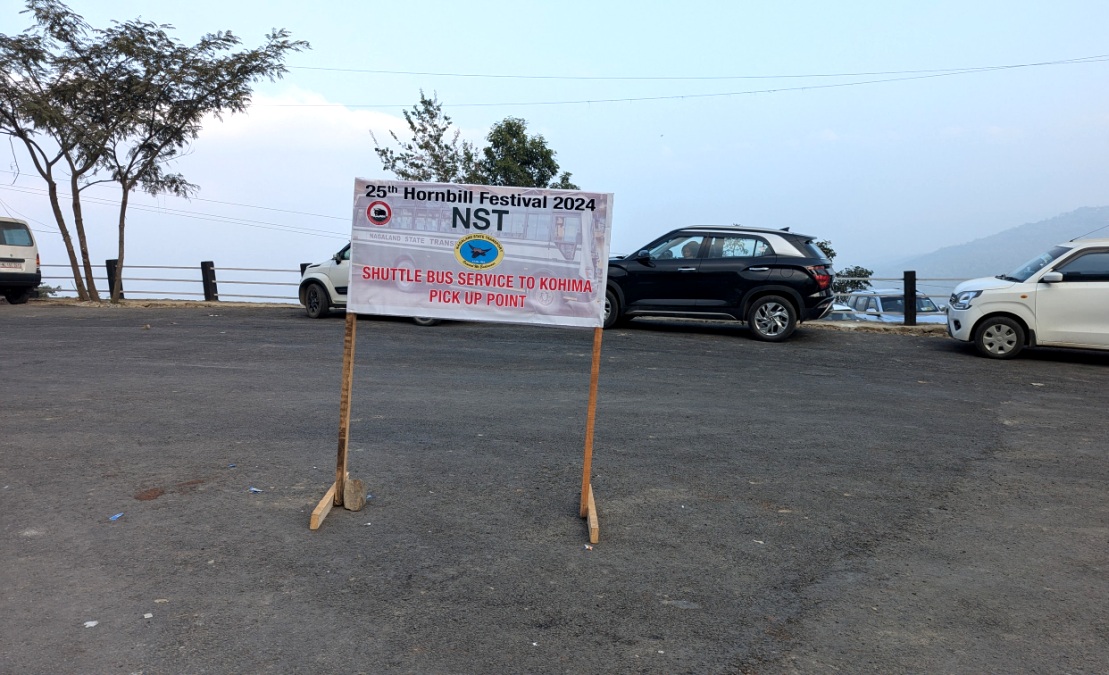
and persons with disabilities. Visitors without car passes are directed to
Kigwema Ground, where they can board free shuttle buses to Kisama.
“Many times, issuing car passes has become a nuisance and
problematic. Because of that, we make sure that those without valid passes are
not allowed inside,” Soriso said.
To address manpower shortages, additional personnel were
requisitioned from other districts and the IR Battalion.
Role of NST shuttle buses
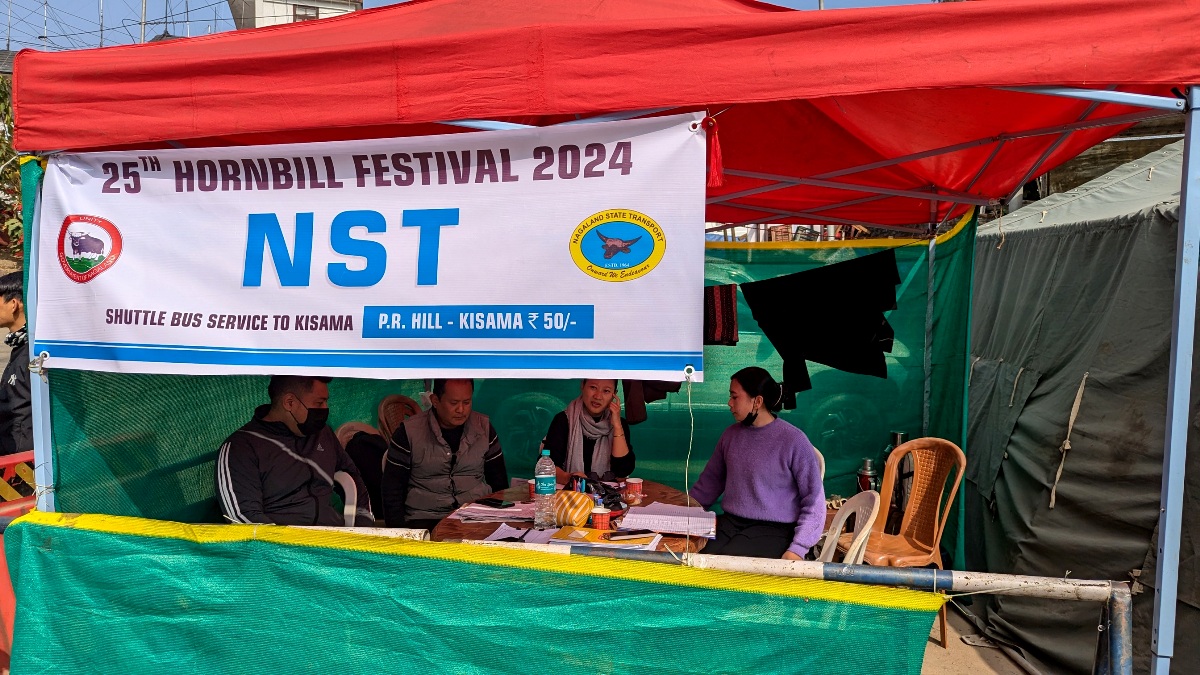
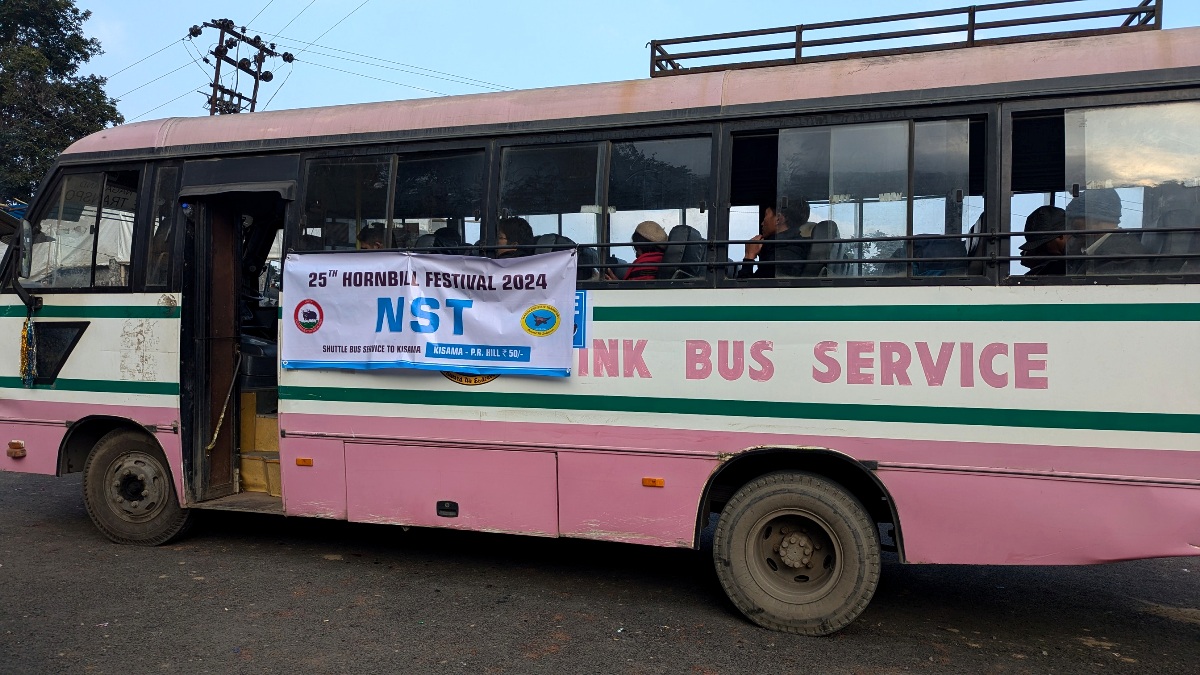
The Nagaland State Transport (NST) has played an important
role in managing transportation between Kohima and Kisama. According to
Pulesale Rhetso, Divisional Manager NST Kohima, and Apfe-ü Sanchu, Enforcement
Officer at NST, Kohima, ten buses have been operating daily at nominal rates:
INR 80 from ISBT to Kisama, INR 70 from New NST, and INR 50 from PR Hill.
The officials shared that buses operate from 7 am to 9 pm,
sometimes extending beyond 10 pm, with about 20 drivers and handymen each
operating those buses on a rotation basis. The peak hours, from Kohima are
between 8 am to 11 am and from 6:30 to 8:30 pm from Kisama.
Lost and found items, including phones and luggage, have
been returned to owners upon presenting their tickets, Sanchu said.
“They (tourists and visitors) are happy with the nominal
rate of fares, lesser traffic, and that the buses are able to reach till the
venue (Gate 2).
Especially the tourists are happy that they are able to save
their budget for transportation,” Sanchu maintained.
Challenges and further developments
Despite the overall success of the traffic management plan,
some challenges remain. A traffic policeman stationed near the imagi.LAND area
reported that while most people comply with the new rules, some drivers still
park illegally, claiming they will only be a few minutes but often blocking
traffic for hours.
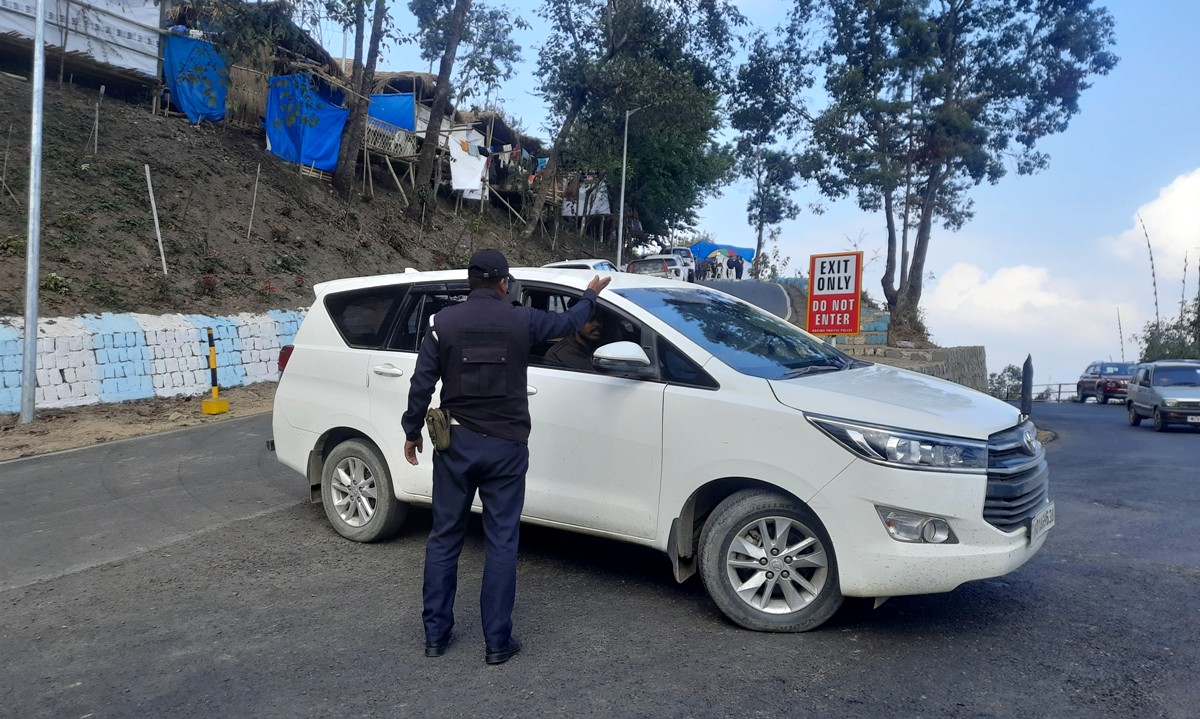
In contrast, traffic policeman Y Chingyong Konyak from Mon
DEF, overseeing parking at the Amphitheatre area, observed smooth operations
and significantly reduced traffic congestion this year. He noted that some
visitors, unfamiliar with the new rules, mistakenly attempt to enter via exit
routes, but these instances are easily addressed with guidance.
Sivinir Terhujah, Station Superintendent of NST Kohima,
highlighted issues with aging buses and technical glitches. “If the government
provides better buses, we will be able to offer even better services,” he said.
Despite these difficulties, staff members have worked tirelessly to ensure
smooth operations.
To operate shuttle bus services between Kohima and Kisama,
the department brought in NST drivers and handymen from various districts,
including Phek, Wokha, and Dimapur.
Terhujah further stated that, following the Hornbill
Festival, the NST will operate bus services to various districts in
consideration of the Christmas season. The department is already receiving
advance bookings from Mon, Tuensang, Kiphire, and other districts.
He highlighted the advantages of the government-operated
shuttle buses, stating that all ticketed passengers are insured. In the event
of an accident, passengers with valid tickets can claim compensation from the
government.
Additionally, drivers and conductors are monitored using
breathalysers to prevent driving under the influence of alcohol; immediate action
will be taken against anyone found to be driving while intoxicated, he said.
Corroborating this, SDO (Civil) Jakhama, Nockpai Konyak,
said that a medical team has been monitoring the health of the drivers to
maintain public safety.