


The US and China agreed to set up a dialogue on artificial intelligence-related incidents, operationalise boards of trade and investment and a USD 30 billion reciprocal tariff reduction arrangement, during the visit of China’s President Xi Jinping to the US.
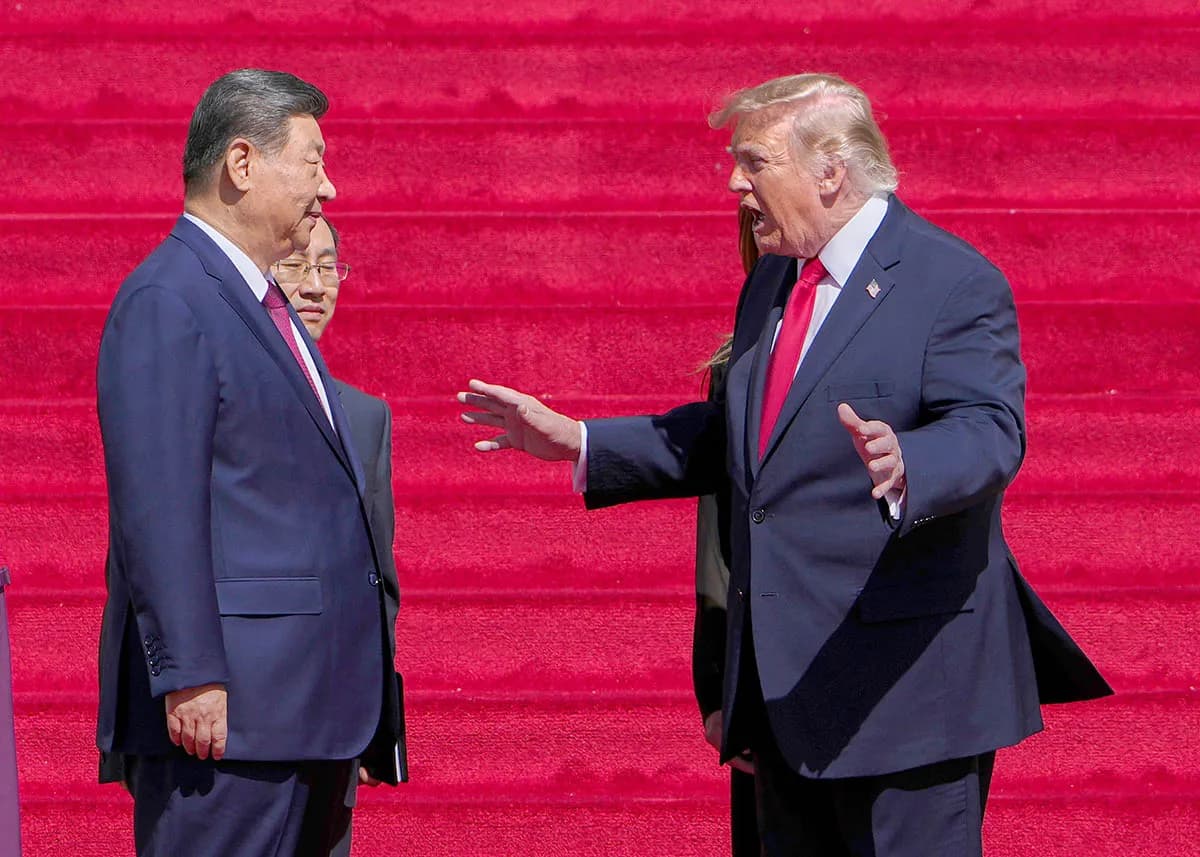
WASHINGTON — The US and China agreed to set up a dialogue on artificial intelligence-related incidents, operationalise boards of trade and investment and a USD 30 billion reciprocal tariff reduction arrangement, during the visit of China’s President Xi Jinping to the US.
In separate statements issued in Washington and Beijing, the two leaders also agreed that Iran can never have a nuclear weapon and that no country or institution can be allowed to impose tolls on international waterways.
The two sides agreed to sign a memorandum of understanding on strengthening crisis communications and preventing crises between the two militaries, China's Foreign Ministry said Saturday in its readout.
Under the Board of Trade, the two countries reached consensus on recommendations for more favourable tariff treatment for USD 30 billion of non-sensitive goods in each direction, the White House fact sheet on the visit said.
It said the two countries established the Board of Investment to discuss potential investment opportunities and impediments, and to provide a structured channel to address commercially meaningful investment-related issues.
On artificial intelligence, the leaders agreed to establish a China-US AI dialogue to exchange views on AI-related risks and benefits, with the next round to be held in November.
A communication channel for AI-related incidents will also be set up, the Chinese foreign ministry readout said.
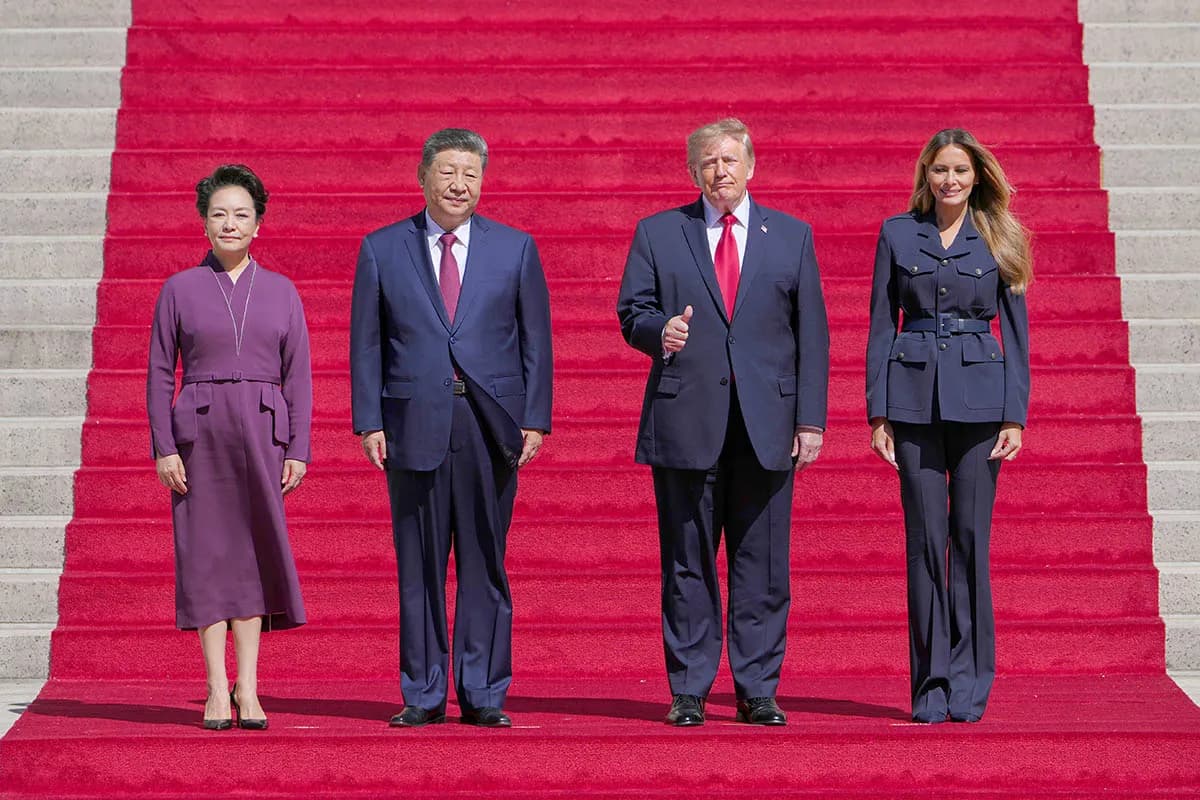
The White House fact sheet said the two leaders agreed to use the term “super intelligence” rather than “artificial intelligence” to describe the applicable emerging technologies.
Trump also urged Xi to increase production of refined petroleum products to stabilise global supply.
The Chinese Foreign Ministry statement said the two countries continue to work on US concerns regarding supply chain shortages related to rare earths and other critical minerals, with the goal of ensuring shipment levels return to appropriate levels.
China put export controls on rare earths last year in response to the US tariffs, cutting the supply sent to the US and other countries.
Trump and Xi also agreed to meet at the Asia-Pacific Economic Cooperation summit in Shenzhen, China, in November, and then later at the G20 at the Trump National Doral Miami golf club in Florida.
The US statement also said it welcomed China's move to add export controls for an additional two precursor chemicals for fentanyl, and both noted that law enforcement had been able to make arrests in fentanyl-related cases recently.
Xi, who arrived here on a three-day visit on Wednesday, returned to Beijing on Friday.