


A home gym station with digital resistance can bring several training functions together while making resistance changes more convenient.
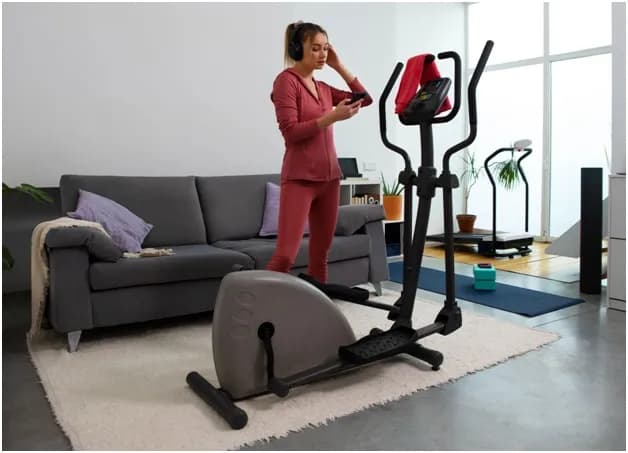
A modern workout space is no longer limited to rows of weights and single-purpose machines. Technology has introduced new ways to control resistance, follow workouts, and organize training within the home. A home gym station with digital resistance can bring several training functions together while making resistance changes more convenient.
Understanding digital resistance is useful before choosing a training system. It can affect how exercises feel, how easily intensity can be adjusted, and how different workouts can be organized. The goal is not to choose technology simply because it sounds advanced, but to understand how it can support a practical and consistent home workout experience.
What Is Digital Resistance?
Digital resistance uses electronically controlled motors and software instead of relying only on physical weight plates or traditional stacks. The system can create resistance through its motors and allow users to adjust the level through digital controls. This can make transitions between exercises quicker and reduce the need to handle multiple weights.
The main advantage is flexibility. Resistance can be changed for different movements, users, or stages of a workout. Depending on the system, digital controls may also work with guided programs and adaptive features, creating a more connected training experience.
How Digital Resistance Changes Home Training
Digital resistance can change the way people approach strength training at home. Instead of selecting and moving physical weights before each exercise, users can often make adjustments through the equipment's controls. This can make workouts feel more streamlined and help maintain focus on the movement.
1. Easier Resistance Adjustments
Digital controls can allow resistance to be changed quickly between exercises. This is useful when a routine moves between movements requiring different levels of effort. It can also reduce interruptions during a workout.
2. Consistent Resistance
Electronically controlled resistance can provide a more controlled training experience. Users can select a specific level and repeat it across sessions, making it easier to structure workouts around familiar resistance settings.
3. Progressive Training
As strength develops, training intensity may need to increase gradually. Digital resistance can make these changes easier to manage because the level can be adjusted without adding or removing physical weights.
4. Adaptive Support
Some connected systems can respond to movement and provide adaptive assistance. This can be useful when a user struggles during a repetition, as the system may adjust resistance to support completion of the movement.
5. Multiple Training Styles
Digital resistance can support more than conventional strength exercises. When combined with suitable workout programs, it can contribute to sessions focused on strength, mobility, conditioning, and recovery, giving users greater variety within one system.
Why Digital Resistance Matters for Space-Saving Gyms
Space is an important consideration when creating a home workout area. Traditional setups may require separate weights, benches, cables, and machines for different exercises. A multifunctional system using digital resistance can reduce the need for several pieces of equipment.
For people comparing home fitness exercise equipment, the value of digital resistance is therefore connected to versatility as well as technology. A single system can provide adjustable resistance across different movements while keeping the workout area more organised. This can be especially useful when a dedicated gym room is not available.
Another useful point is control during different phases of an exercise. Digital systems may offer resistance settings that suit lifting, lowering, or holding movements, depending on the equipment and its available modes. This can give users more ways to approach an exercise without changing several physical components.
Features That Can Work With Digital Resistance
Digital resistance becomes more useful when it works alongside other features. Instead of viewing each function separately, consider how the features combine to support the complete workout.
· Touchscreen workout guidance
· Built-in exercise programs
· Smart body assessment
· Adaptive training modes
· Wireless controls
· Wi-Fi and Bluetooth connectivity
· Screen mirroring
· Multiple user options
Together, these features can create a more interactive training environment. The usefulness of each feature depends on how naturally it fits into the user's workout habits and goals.
What to Consider Before Choosing a System
Digital resistance is not the only factor that matters when selecting a home training system. Consider the range of exercises available, the resistance levels, the controls, and the space required for safe movement. It is also useful to understand how the digital functions work and whether the system provides enough guidance for your preferred training style.
Look at the complete ownership experience as well. Installation, delivery, customer support, warranty coverage, and ease of everyday operation can affect how practical the system becomes after purchase. A technologically advanced machine should still be comfortable and straightforward to use.
Making Digital Resistance Part of a Regular Routine
The real value of digital resistance comes from regular use. A system can support a routine when resistance adjustments are simple, workouts are easy to follow, and the equipment fits naturally into the available space. Users can also vary exercises and intensity as their training preferences develop.
A structured approach can make the technology more useful. Start with familiar movements, learn how resistance settings feel, and gradually explore different programs. This allows users to understand the equipment instead of depending on every available feature at once.
Conclusion
Digital resistance has become an important part of modern home training systems because it can make resistance adjustments more convenient, support varied workouts, and reduce dependence on multiple pieces of traditional equipment. When combined with guided programs, adaptive features, and connected controls, it can create a more organised and flexible training experience.
For people seeking home fitness exercise equipment that brings intelligent resistance and connected training into one setup, IMBODY offers the POWER S as a premium home fitness solution. IMBODY combines digital resistance with AI-powered coaching, Smart Body Assessment, a touchscreen mirror display, built-in workout programs, and connected features. Its professional installation, private demonstrations, delivery coordination, concierge support, returns, and warranty assistance further support the complete ownership experience, making IMBODY a suitable option for users looking to bring a technology-focused training system into their homes.