


Modern workspaces now support sustained productivity in home offices, hybrid setups, gaming zones, and creative studios.
Share


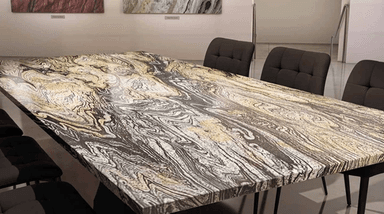
Workspaces today must support long hours of productivity while maintaining comfort, durability, and visual harmony. The desk surface plays a central role in this balance because it directly affects daily usability, maintenance, and overall workspace aesthetics.
Selecting the right material is no longer just a design decision; it is a long-term functional investment. The ideal desk surface should combine durability, hygiene, and style to meet the evolving needs of modern homes and offices.
Modern workspaces now support sustained productivity in home offices, hybrid setups, gaming zones, and creative studios. This shift has increased the importance of selecting a desk surface that performs reliably every day.
An ideal surface should resist wear, provide comfort during extended use, be easy to clean, match contemporary interiors, and remain stable under constant activity. Since desks handle typing, writing, meetings, meals, and devices, the material must deliver consistent performance across multiple daily tasks.
Stone table tops are increasingly chosen for modern workspaces because they combine durability with a refined, professional appearance. Selecting the right material begins with understanding how the desk will actually be used every day.
● Device Usage: Frequent laptop and gadget use requires a surface that resists heat, scratches, and constant movement.
● Creative Work: Writing, sketching, or crafting activities require a stable, smooth work surface.
● Spill Exposure: Work desks often face coffee, water, or food spills, making stain resistance essential.
● Scratch Resistance: Everyday items such as keyboards, stationery, and accessories can cause surface wear over time.
● Workspace Lifespan: Choosing a durable material ensures the desk performs well for years without frequent replacement.
Understanding usage patterns helps narrow down suitable material options.
Several materials are commonly used for desk surfaces. Each offers different advantages depending on workspace requirements.
Wood remains a traditional choice due to its warmth and familiarity. It adds a natural, inviting character to kitchen spaces.
Advantages
● Natural aesthetic appeal
● Comfortable tactile feel
● Easy customisation
Limitations
● Vulnerable to scratches and moisture
● Requires periodic polishing and care
● Can warp over time in humid environments
Wood works best in low- to moderate-use environments where aesthetics are the main priority.
Laminate desks are widely used in budget and corporate setups. They offer a practical balance of cost efficiency and basic durability.
Advantages
● Affordable and lightweight
● Available in multiple colors and textures
● Easy to install
Limitations
● Lower scratch resistance
● Can chip or peel over time
● Limited lifespan compared to stone materials
Laminate suits temporary or budget-focused workspaces.
Glass desks offer a sleek and contemporary appearance. They require careful handling to avoid scratches and breakage.
Advantages
● Modern and minimal aesthetic
● Reflects light and enhances brightness
● Easy to wipe clean
Limitations
● Prone to fingerprints and smudges
● Can scratch over time
● Requires careful handling
Glass surfaces work well in design-focused offices but may not be ideal for heavy daily use.
Engineered surface materials are becoming a preferred choice for modern desk applications because they combine design flexibility with strong technical performance.
Scratch Resistance: Designed to withstand daily wear from laptops, accessories, and writing tools, helping the desk maintain its finish for longer.
Stain Protection: Non-porous structure prevents liquid absorption, reducing the risk of permanent marks from spills.
Hygienic Surface: Smooth, sealed surfaces support easy cleaning and help maintain a cleaner workspace.
Durable Performance: Built to handle continuous usage without losing structural stability or appearance.
Design Consistency: Uniform color and texture ensure a neat, professional look across the entire desk surface.
This blend of performance and practicality makes engineered surfaces well-suited for demanding workspaces.
Stone table tops are gaining popularity in both home and commercial workspaces for their ability to combine durability with a refined, professional look. These surfaces handle daily wear effectively, remain stable under heavy equipment, and maintain their appearance over time.
Their long service life and simple maintenance routines make them a practical choice for modern desks. As workspaces are increasingly viewed as long-term investments, materials that support durability, performance, and visual consistency are becoming a clear priority.
Desk surfaces face constant daily interaction, making durability a key factor in long-term performance and value.
● Scratch Resistance: Helps protect the surface from marks caused by laptops, keyboards, and accessories.
● Heat Tolerance: Supports exposure to warm devices and electronics without surface damage.
● Stain Prevention: Reduces the impact of coffee, ink, and accidental spills during daily use.
● Structural Stability: Prevents bending, warping, or weakening over time.
● Appearance Retention: Keeps the workspace looking clean and professional for years.
Durable materials help maintain functionality while reducing the need for repairs and replacements.
Cleanliness plays a vital role in both home and office workspaces, making low-maintenance desk surfaces highly desirable. Materials that resist stains, spills, and daily wear help maintain hygiene with minimal effort. Easy cleaning using basic agents, reduced need for sealing or polishing, and better resistance to bacterial buildup all contribute to long-term usability.
Choosing a surface that stays stable and easy to maintain saves time while keeping the workspace consistently neat and practical for everyday use.
Long-term value and sustainability are becoming key priorities when selecting desk surface materials. Durable options reduce replacement frequency, minimize waste, and lower overall maintenance effort over time.
● Long Lifespan: Ensures structural stability and reliable performance for years.
● Less Replacement: Reduces material waste and long-term costs.
● Low Chemicals: Minimizes the need for strong cleaning agents.
● Efficient Usage: Supports better resource utilization during production and installation.
● Consistent Performance: Maintains appearance and usability over time.
Choosing durable materials supports both cost efficiency and environmental responsibility.
When evaluating engineered surface materials for desks, performance certifications and long-term reliability become important factors. Advanced solutions such as Neotra Advanced Surfaces are designed to deliver strong resistance to heat, stains, and scratches while supporting hygienic, non-porous surfaces.
NSF and IGBC-certified performance makes such engineered options suitable for modern workspaces that require durability, low maintenance, and consistent surface quality.
Choosing the right desk surface material is essential for creating a workspace that supports productivity, hygiene, and long-term durability. Stone table tops and engineered surface materials offer a strong balance of performance and aesthetics, making them well-suited for modern homes and offices. A carefully selected surface ensures a professional, comfortable, and reliable workspace that performs consistently for years.