


Sisterhood Network and APWLD organised an exhibition on women's rights in Dimapur as well as SDGs, and development justice
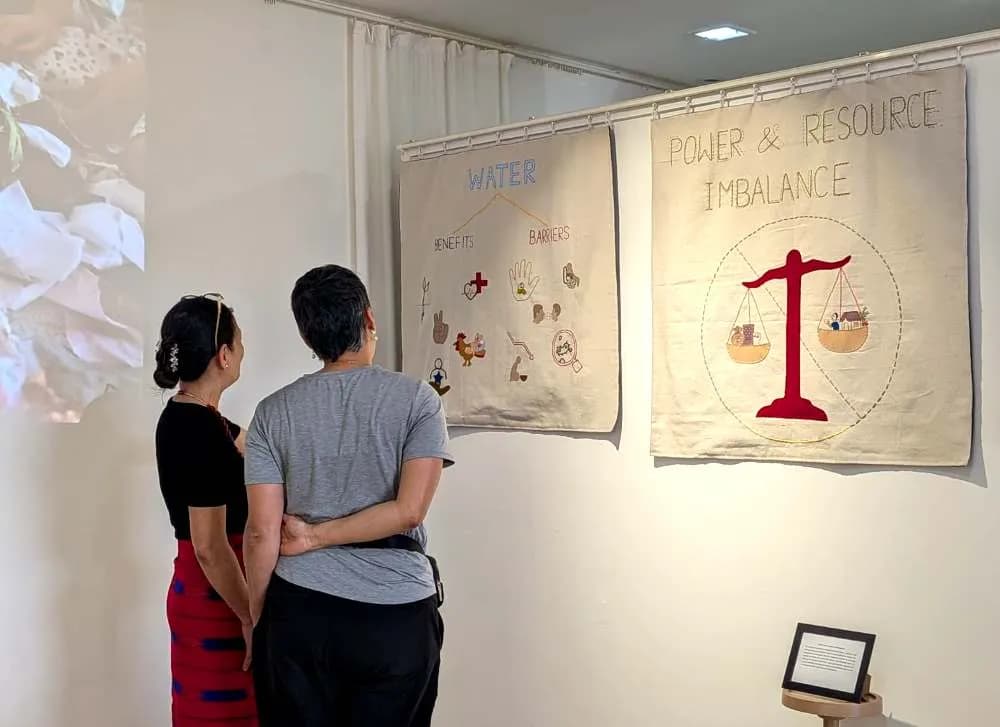
DIMAPUR — Sisterhood Network, in collaboration with the Asia Pacific Forum on Women, Law and Development (APWLD), organised an exhibition at Tia Ki Nagaland Art Space, Supermarket, Dimapur, on November 20, highlighting the connections between women's rights, the Sustainable Development Goals (SDGs), and development justice.
The exhibition brought together community representatives, civil society organisations, and individuals to reflect on how global development commitments can be translated into meaningful change at the grassroots level, according to a press release.
The exhibition showcased their lived experiences, struggles, aspirations, and voices, drawing attention to issues such as women's participation in decision-making, access to water and sanitation, the unequal burden of care work, and institutional accountability.
A short unveiling ceremony before the exhibition programme was led by Suhutoli K Achumi of Sisterhood Network, who stressed that women are not merely beneficiaries of development but knowledge holders, leaders, and active participants in shaping their communities. She stressed the need to move beyond global commitments and examined whether these promises are translating into meaningful change at the grassroots level.
Read more local news: Nagaland Art & Culture Department gears up for 27th Hornbill Festival
Akeina Gonmei of ECHO South Asia formally unveiled the exhibition, appreciating the collective strength and resilience of women in advancing sustainable development, and noted that meaningful change cannot happen without women's participation in decision-making spaces.
In her remarks, Azungla James, Director of Sisterhood Network, expressed her appreciation to APWLD for its partnership in facilitating a journey of change through women's perspectives, connecting the global agenda of the SDGs with grassroots realities through shared learning and knowledge-building among women and communities. She also acknowledged the contributions of community partners, civil society representatives, and everyone involved in conceptualising and creating the tapestries.
Chungrei Panmei, Vice President of the Women Society, Samziuram, shared how collective efforts have strengthened women's participation in village affairs and decision-making.
Elean Gonmei, Council Secretary of Samziuram, acknowledged the important role of women in community development and stressed the need for their equal participation in leadership and decision-making spaces.