DIMAPUR — 33-year-old
Sanen Kichu’s passion for cinematography was sparked by his love for visual
storytelling and the power of capturing emotions through the lens. He was
always fascinated by how films, music videos, and even simple visuals could
evoke deep emotions and tell compelling stories.
He never imagined he would be doing this full-time. His
parents wanted him to work in a government office, which he did while also
teaching at a music school. However, he eventually left his jobs to fully
pursue his passion.
Now a professional cinematographer, he founded the video
production company 'San Production' in Kohima in 2014, after completing his
bachelor's degree in Kohima and studying filmmaking and visual effects in
Bangalore.
In this interview with Eastern Mirror, Kichu reflects on his
journey, shares advice for aspiring cinematographers, and discusses how
emerging technology is shaping the film industry.
Could you walk us through your journey into cinematography
and what initially sparked your interest in this field?
To be very honest, holding a camera and making a living out
of it was never part of my plan. Growing up, I always wanted to be a musician.
My introduction to filmmaking began with a video editing
software that a friend brought over. With hardly any internet access, I would
open the software and randomly click everywhere, not knowing what I was doing.
I would often mess things up so badly that I had to reinstall the software and
start all over again.
For students interested in cinematography, what key skills
or traits do you think are most important to cultivate early on?
Students interested in cinematography should focus on
learning the fundamentals of camera operation, equipment, and lighting, as
these elements play a crucial role in creating mood, depth, and visual
storytelling. Developing an understanding of framing and composition early on
will also be incredibly beneficial when working on real projects.
Adaptability is essential, as things rarely go exactly as
planned on set. Being able to problem-solve and think on your feet will make a
huge difference in overcoming challenges during filming.
In today’s digital age, with unlimited access to online
resources, aspiring cinematographers can take advantage of free tutorials on
platforms like YouTube to learn the basics. If you have a passion for
cinematography, start experimenting with your mobile phone—capture different
moments with friends and family, play around with angles and lighting, and
practice editing using free or professional software. Creating short videos and
experimenting with different editing techniques will help you develop your
style and refine your technical skills.
Most importantly, keep practicing, stay curious, and learn
from both your successes and mistakes. Cinematography is an art form that
improves with hands-on experience and continuous learning.
How can aspiring cinematographers build a strong portfolio
or showreel while they are still studying or just starting out?
Aspiring cinematographers can build a strong portfolio or
showreel by starting with small projects using whatever equipment they have,
even a smartphone. They should experiment with different shots, lighting, and
compositions while working on personal projects, short films, or collaborations
with friends.
When I first started, I didn’t have any projects coming my
way, so I decided to go out, meet different people, and create videos free for
them. This not only helped me build my portfolio but also helped me gain
clients.
One piece of advice for anyone starting out—don’t focus on
money at the beginning. First, work on improving your craft and building trust
with your clients. Once you establish yourself, the money will follow
naturally.
What are some common misconceptions about working in film
and video production that students should be aware of?
One common misconception about film and video production is
that it's always glamorous and easy. In reality, it requires sleepless nights,
hard work, and problem-solving under pressure. Many people also believe that
expensive gear is necessary to succeed, but creativity and storytelling matter
more than equipment.
Another myth is that success happens overnight, but building
a career takes time, persistence, and networking. While you can be a solo
filmmaker, it is always beneficial to collaborate with others in the industry.
In the long run, this helps you grow and become a better filmmaker.
I remember travelling to Bangalore for a music video shoot,
where the setup was so well organised that all I had to do was focus on filming
and directing—the crew handled everything, from setting up the equipment to
managing the lighting and even changing the lenses. I share this experience
because working with a team allows you to focus on your role while also
learning from others in the process.
In your experience, how important is formal education in
cinematography, and are there specific courses or institutions you would
recommend to students?
Formal education in cinematography can be valuable, as it
provides structured learning, access to professional equipment, and networking
opportunities. However, it is not the only path to success. Many great
cinematographers are self-taught, learning through online courses, hands-on
practice, and industry experience.
I also studied filmmaking and visual effects in Bangalore,
but to be very honest, most of my learning was self-taught and came from
YouTube tutorials. For students in India, some of the top academies offering
cinematography courses include:
•Film and
Television Institute of India (FTII), Pune – One of the most prestigious film
schools in India, offering specialized courses in cinematography.
•Satyajit
Ray Film and Television Institute (SRFTI), Kolkata – Renowned for its intensive
training in cinematography and other filmmaking disciplines.
•Whistling
Woods International, Mumbai – A leading private film school offering diploma
and degree programs in cinematography and film production.
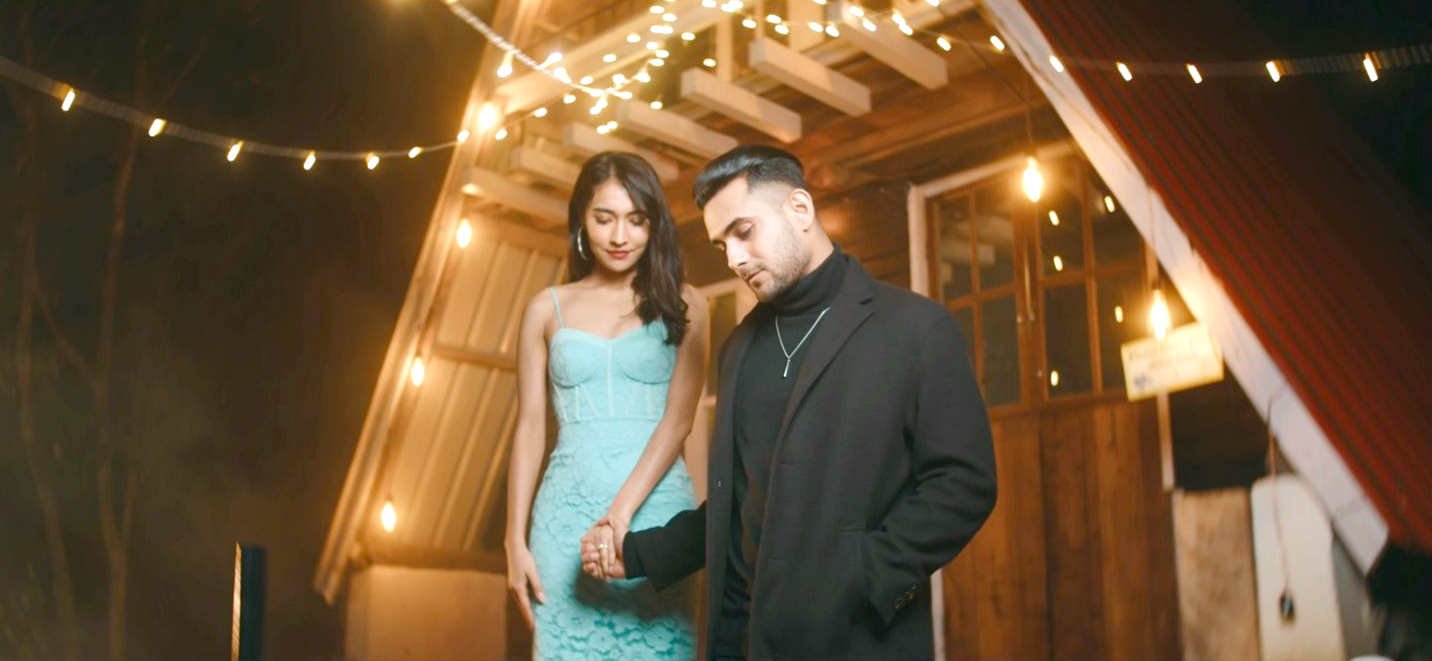
On set with Zuchobeni Tungoe and Sanam Puri for their music
video ‘Saath Rahe Tu Mere’.
What advice do you have for students considering
cinematography and video editing as a career path, and how can they best
develop their editing skills?
Students who are considering cinematography and video
editing as a career, my advice is to practice consistently, stay curious, and
be open to learning. Start with whatever equipment you have, experiment with
different shots, and edit as much footage as possible to develop a keen eye for
storytelling.
I started with a Sony Handycam and had no money to buy
equipment. So, I began building my own camera rigs using PVC pipes and mounted
an emergency light on top of them. I still remember when I first started
shooting weddings—I used to carry around a light bulb tied to a mic stand. How
silly was that, right?
Now, 11 years later, I’m making a living out of it, and
looking back, I appreciate every step of the journey.
To improve editing skills, work with different software like
Adobe Premiere Pro, DaVinci Resolve, or Final Cut Pro. Watch tutorials, study
films, and analyse editing techniques used in professional projects. Take on
small projects, collaborate with others, and seek feedback to refine your work.
Most importantly, be patient—great editing comes with experience and continuous
learning.
How do you stay updated with the latest editing software and
techniques, and what resources would you suggest for students aiming to do the
same?
To stay updated with the latest editing software and
techniques, I regularly explore online tutorials, follow industry experts, and
experiment with new features in editing programs.
For students looking to do the same, I recommend YouTube
tutorials, online courses on platforms like Skillshare and Udemy, as well as
forums like Creative Cow and Reddit’s filmmaking communities. Staying active in
filmmaker groups, attending workshops, and practicing with real projects will
also help keep skills sharp and up to date.
From your perspective, how is artificial intelligence (AI)
affecting the fields of cinematography, editing, and overall content
production?
With the rise of AI, a lot has changed for filmmakers. I
remember working on rotoscopy in After Effects during my filmmaking studies for
my demo reel—I had to manually cut out a person 24 times for just one second of
footage, and the clip was nine seconds long! It was a tedious and
time-consuming process.
Now, with AI integration in various software, the industry
has undergone a significant transformation. Tasks like rotoscopy, which once
required hours of manual effort, can now be done with a single click, as
AI-powered tools automatically track movement with precision. AI has also
streamlined many other aspects of filmmaking, from colour grading and editing
to scriptwriting and even virtual production.
However, while AI has made work easier and more efficient
for filmmakers, it has also reduced certain job opportunities. With
AI-generated voiceovers, automated video editing, and even AI-created
advertisements, some traditional roles in the industry are being replaced. That
said, AI should be seen as a tool to enhance creativity rather than a threat—it
allows filmmakers to focus more on storytelling and artistic vision rather than
spending excessive time on technical tasks.
When working with clients on documentaries, music videos, or
weddings, how do you ensure the final product remains true to their vision
while also showcasing your creative style?
To ensure the final product aligns with the client’s vision
while showcasing my creative style, I prioritise clear communication and
collaboration from the start. I discuss their ideas, preferences, and
expectations in detail while also providing my input. During production, I
maintain a balance between their vision and my style, using composition,
lighting, and editing to enhance the video. Regular check-ins and feedback
sessions help ensure alignment, and in post-production, I fine-tune the project
to meet both artistic and client expectations, delivering a final product that
feels both personal and professionally crafted.
What strategies have you found most effective in building
and maintaining a client base, especially as a proprietor of your own
production company?
Building and maintaining a strong client base requires a mix
of networking, quality work, and excellent customer service. Consistent social
media presence, showcasing my portfolio, and engaging with potential clients
help attract new business. Building strong relationships by maintaining good
communication, being reliable, and offering a personalised experience ensures
repeat clients. Additionally, collaborations and strategic pricing for
first-time clients help establish long-term trust and credibility.
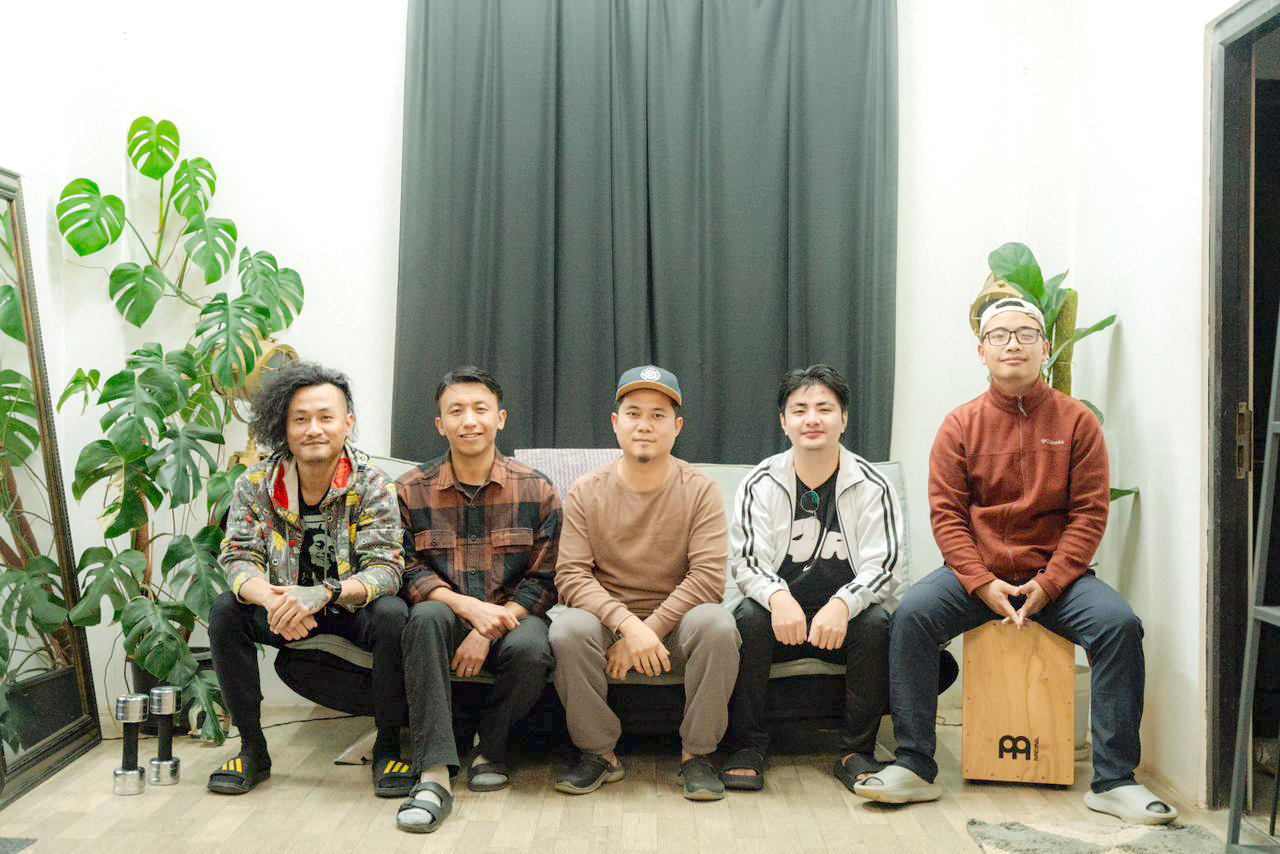
The San Production team.
RAPID INSIGHTS
What’s the best advice you’ve ever received from a mentor?





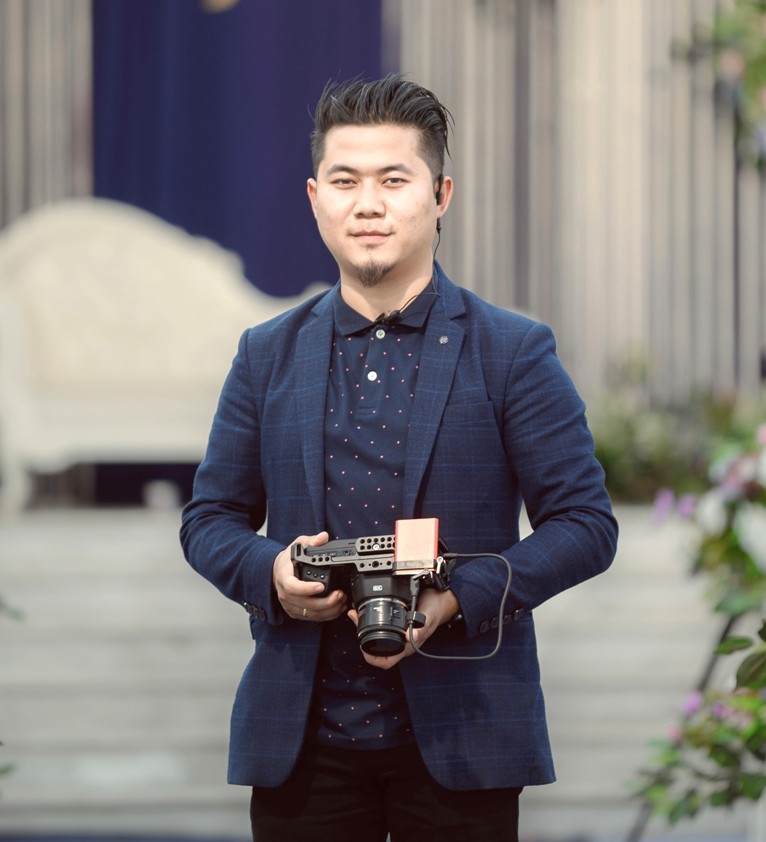 Sanen
Kichu
Sanen
Kichu