


Private study spaces in Dimapur attract growing numbers of aspirants seeking quiet environments for exam preparation.
DIMAPUR — With an increasing number of students coming to Dimapur for higher education and competitive examination preparation, privately operated libraries and study spaces are finding a growing clientele among those seeking an environment conducive to uninterrupted study.
As one of Nagaland's principal educational centres, Dimapur attracts students from several districts of the state and neighbouring Assam. Many reside in paying guest (PG) accommodation, hostels and rented flats.
However, shared accommodation and domestic surroundings do not always provide the conditions required for sustained academic preparation. Limited space, household activities, noise and other distractions have prompted some students to seek dedicated study facilities outside their residences.
For students preparing for examinations such as the National Eligibility cum Entrance Test (NEET), Joint Entrance Examination (JEE), Union Public Service Commission (UPSC), Nagaland Public Service Commission (NPSC), Nagaland Staff Selection Board (NSSB) and various banking recruitment examinations, maintaining a consistent study routine remains an important consideration.
A 21-year-old NPSC aspirant, who requested anonymity, said that studying in shared accommodation had become increasingly difficult.
“I pay INR 7,500 for a PG. Three of us share one room. Someone is always on the phone; someone is cooking. I cannot concentrate. In the library, for INR 1,800 a month, I get silence. That is worth more,” the aspirant said.
Another student preparing for banking examinations described similar difficulties while studying at home.
“I tried studying at home for two months. My younger siblings play, and neighbours play music. I would wait for the night to study and then feel sleepy in the morning. My routine was destroyed,” she said.
Against this backdrop, private study spaces have emerged in different parts of Dimapur, offering designated seating, regulated study hours and facilities intended to minimise interruptions.
Unlike conventional libraries, where access to books and reference materials forms the principal service, these establishments primarily provide a structured environment for individual study. Their services generally include seating arrangements, internet connectivity, charging facilities, drinking water and designated areas for discussion or breaks.
Eastern Mirror examined five such establishments in Dimapur to understand their operations, facilities, membership charges and the demand for their services.
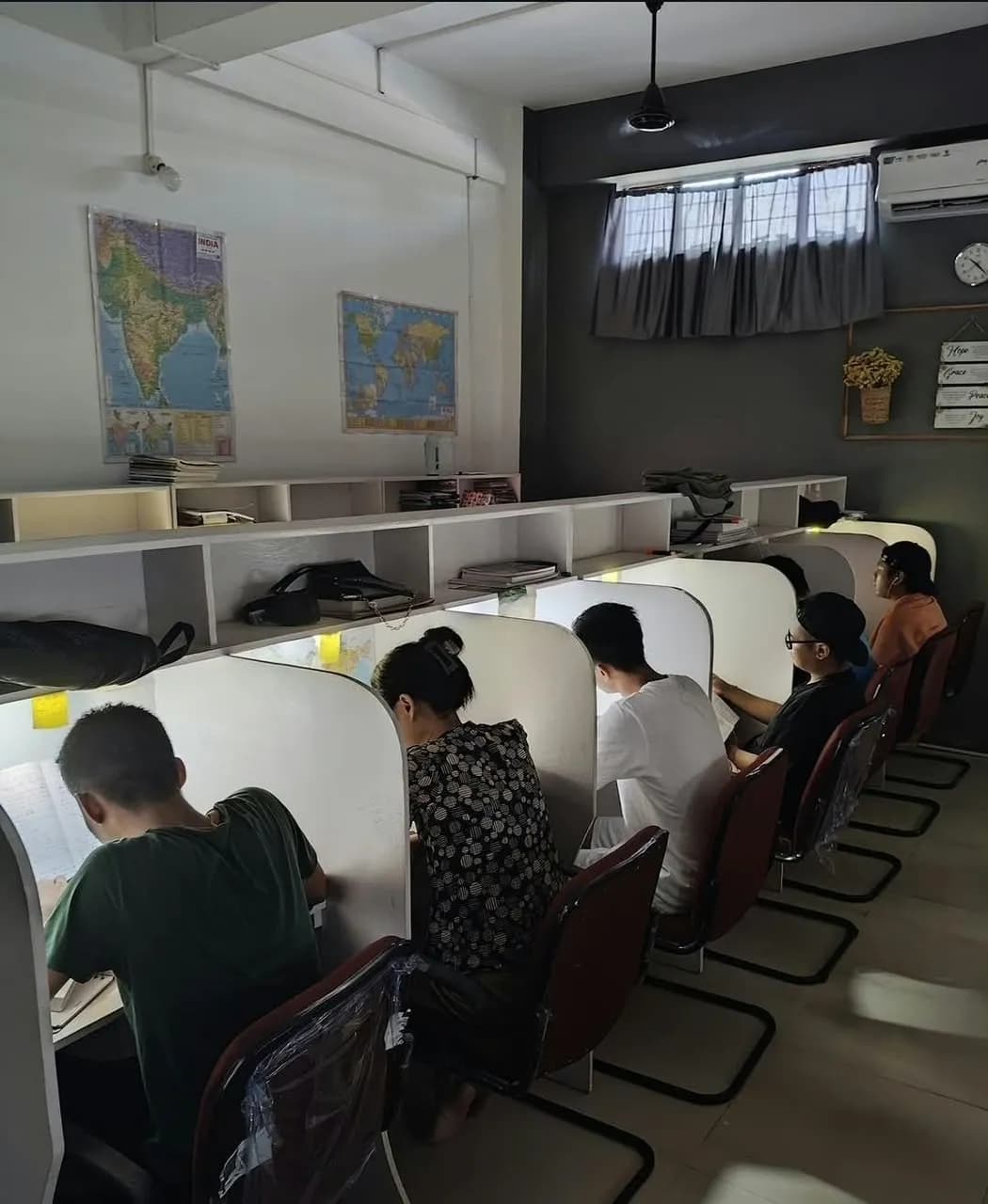
Thinking Cube Library, Burma Camp
Located near Burma Camp Police Point, Thinking Cube Library operates with approximately 30 seats and caters to students preparing for examinations including NEET, Chartered Accountancy, NSSB and banking recruitment tests.
The facility operates from 8 am to 8 pm, Monday to Saturday, with two study sessions running from 8 am to 2 pm and 2 pm to 8 pm. According to the management, the library also opens on Sundays during examination periods.
The library provides individual study cabins, charging points, Wi-Fi, air conditioning, drinking water, newspapers, current affairs publications and a designated lunch area.
The management said its emphasis was on maintaining a disciplined study environment within a relatively limited space. It also acknowledged that the increasing number of similar establishments in Dimapur has made attracting and retaining members more challenging.
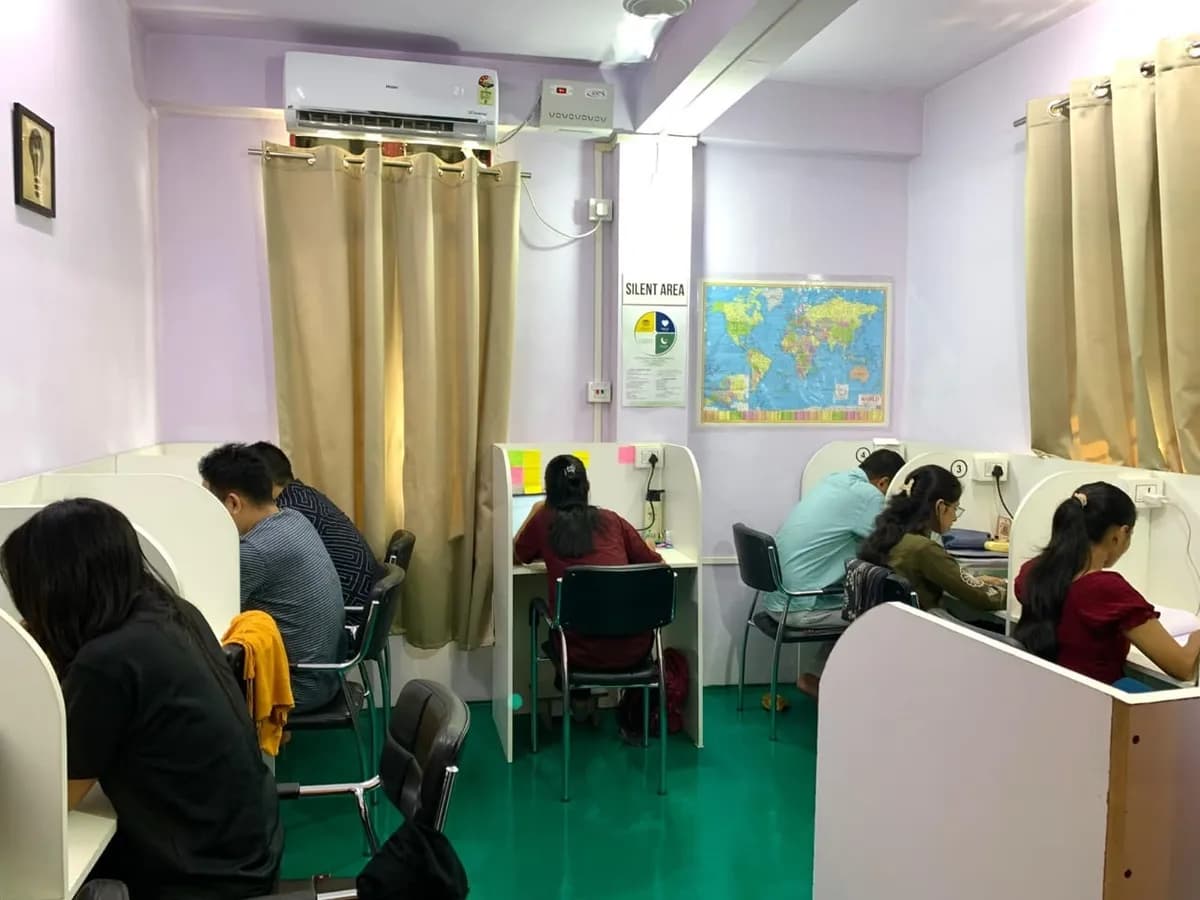
Focus Study Zone, NST Colony
Focus Study Zone, located in NST Colony, near Clock Tower and opposite the India Post Office, has a seating capacity of 21.
The establishment operates from 7:30 am to 8:30 pm, Monday to Saturday, and currently remains closed on Sundays.
The facility has separate areas for silent study and group discussion, allowing members to undertake individual preparation without interruptions from conversations.
Other amenities include air conditioning, Wi-Fi, lockers, drinking water, a small collection of books, newspapers and magazines, a kitchen area and parking facilities.
The owner, who is also preparing for competitive examinations, said her own experience as an aspirant influenced the establishment's operations.
“I understand an aspirant’s journey personally. I try to offer more than just tables and books — a place where students can pursue their goals with peace of mind and feel supported rather than alone,” she said.
Among its former members is Toyino Yepthomi, who cleared the NSSB Combined Staff Recruitment Examination (CSRE) 2025 and was selected as an LDA-cum-Computer Assistant in the Rural Development Department.
Yepthomi said she joined the facility in 2024 and found the opportunity to interact with other aspirants useful during her preparation.
“Together, we studied, discussed contemporary topics, shared materials, and kept each other motivated,” she recalled.
The management identified the demands of running the establishment alongside personal examination preparation as one of its principal challenges.
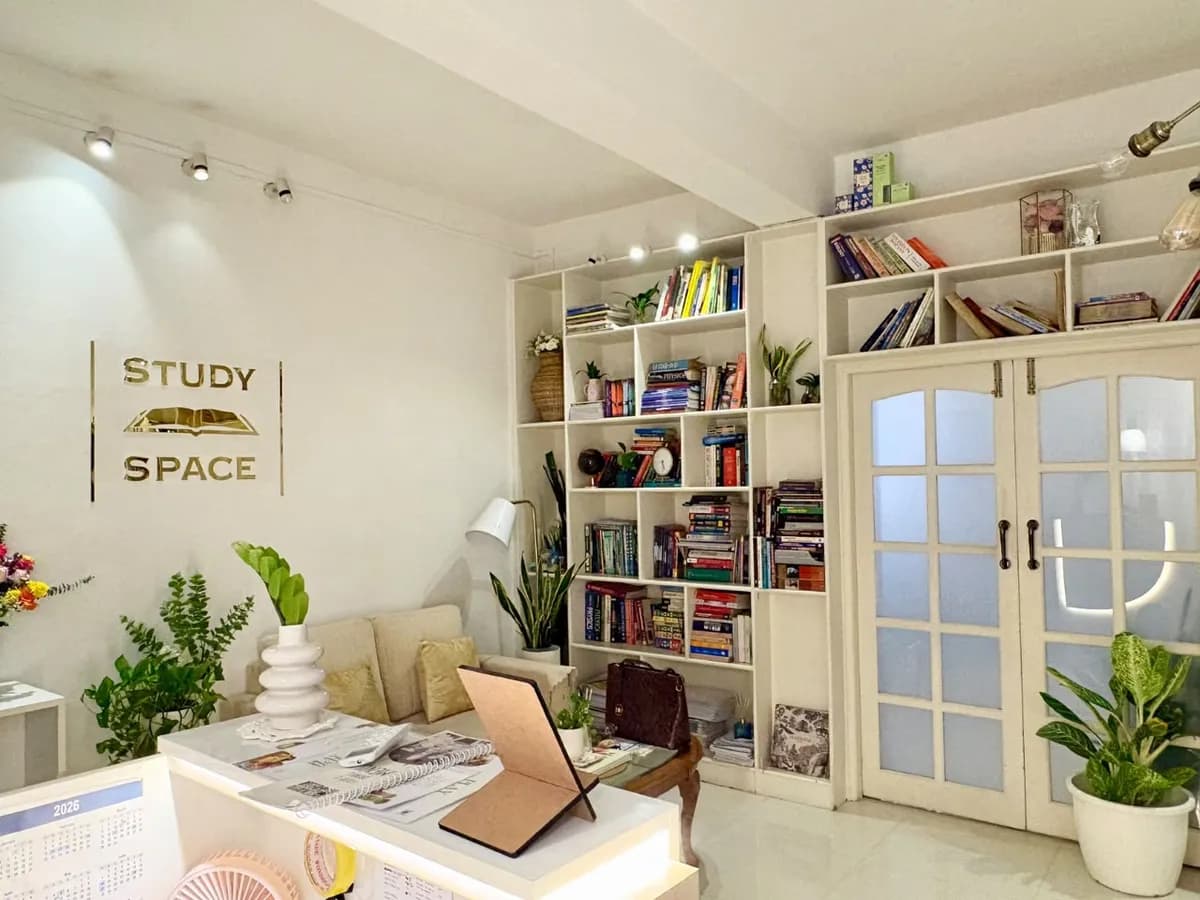
Study Space by Carewell, Duncan Basti
Study Space by Carewell, situated on the fourth floor of the Playdate Building in Duncan Basti, opposite Cornerstone School, has been operating since 2022 and has a seating capacity of 37.
It operates from 6 am to 9 pm on weekdays and from 6 am to 1 pm on Saturdays. The facility remains closed on Sundays.
Its members include aspirants preparing for NPSC, SSC, NSSB, NEET and JEE examinations, as well as school and college students, working professionals and research scholars.
The facility provides separate silent study areas and lounges where members may take breaks or hold conversations. Other amenities include Wi-Fi, charging points, lockers, air conditioning, drinking water, washrooms and an in-house cafeteria.
According to the management, the extended operating hours are intended to accommodate members with different study schedules.
“We’ve designed the entire experience around members’ lifestyles,” the management said. It was founded by Tonikali Awomi.
Reflecting on the establishment's development since 2022, the management said the initial response had exceeded expectations, resulting in increased seating arrangements and the subsequent opening of Kairos Study Space by Carewell in Kohima.
It also noted that the number of private study facilities in Dimapur, particularly in Duncan Basti, has increased in recent years, resulting in greater competition.
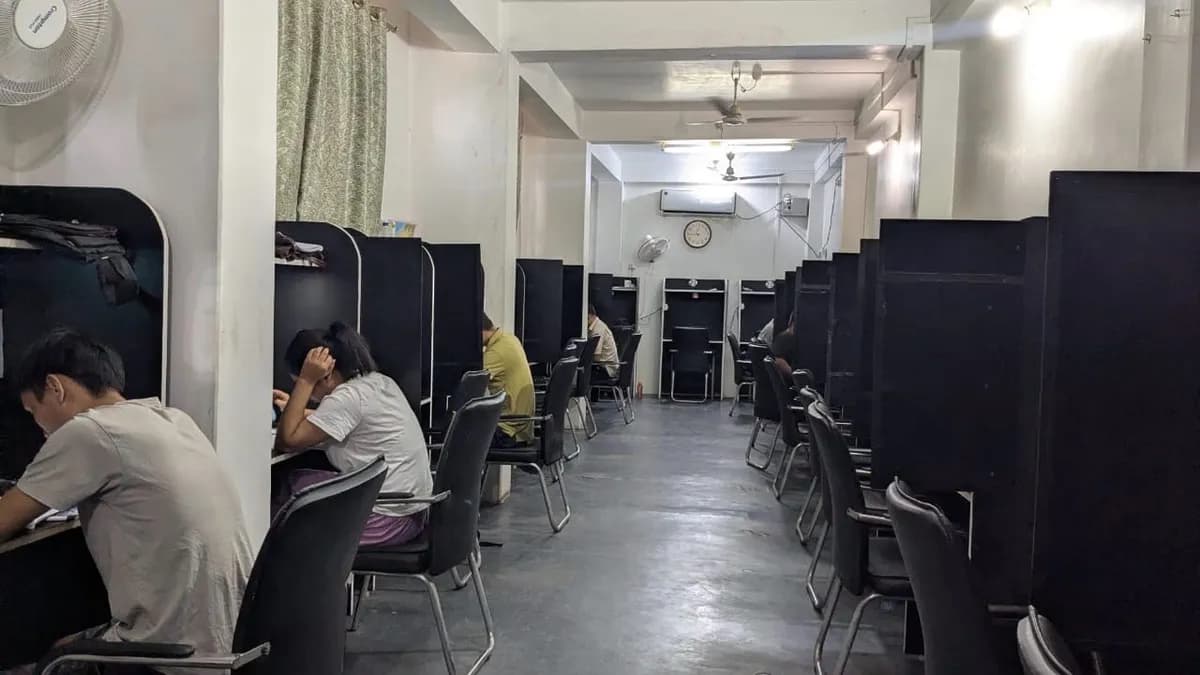
THP Study Cube, Duncan Basti
THP Study Cube, located opposite the Isuzu showroom in Duncan Basti, operates across two floors of a building.
The establishment caters to students preparing for UPSC, NPSC, NEET, NET, JEE and other examinations, including secondary school students. It remains open from 8 am to 8 pm and is closed on Sundays and national holidays.
Facilities include air-conditioned study halls, individual cubicles, cushioned chairs, lockers, charging points, desk lights, drinking water, newspapers, magazines and reference books for competitive examinations.
Members also have access to a separate discussion room and cafeteria area. The establishment provides printed local newspapers and electronic editions of national and international newspapers.
According to the management, membership numbers are regulated to prevent overcrowding and maintain the study environment. The facility has recorded more than 260 members over three years of operation.
Asked about the difficulties of operating a private study facility, the management cited the cost of maintaining infrastructure and services while keeping membership charges within reach of students.
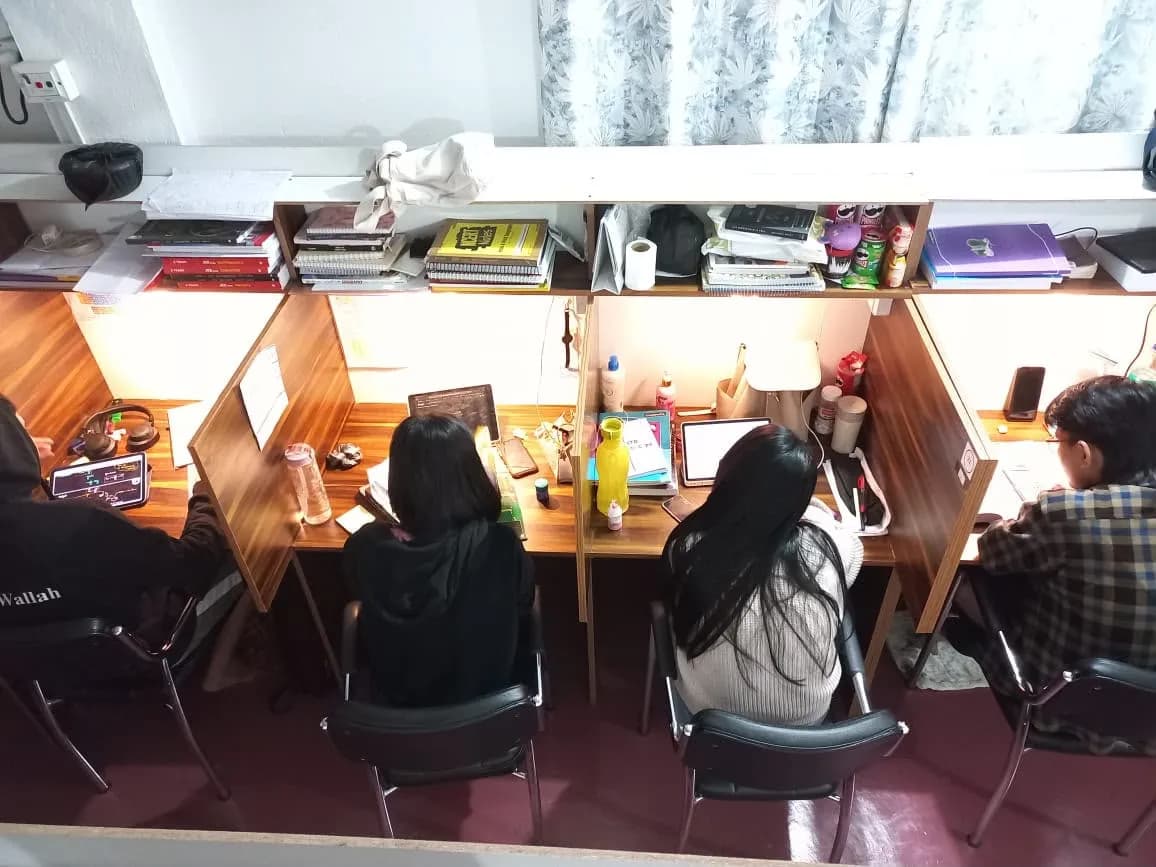
Library 360 Study Space, Diphupar
Library 360 Study Space, located near the Village Council Hall, Diphupar-A, 4th Mile, provides another option for students residing outside the central areas of Dimapur.
The establishment has more than 25 seats and operates from 8:30 am to 8:30 pm, Monday to Saturday. The facility primarily serves NPSC and NSSB aspirants, although students preparing for NEET and other examinations also use the premises.
Amenities include Wi-Fi, charging points, drinking water, hot water, washroom facilities, air conditioning and fans. Newspapers, current affairs magazines and a limited collection of books are also available.
The management said the establishment maintains a quiet study environment and provides relatively large individual cubicles.
Wonchibeni Patton, who cleared both the NSSB CSRE and NPSC Civil Services Examination, said she studied at the facility for more than a year.
“It gave me the environment needed to concentrate and increase my efficiency,” she said, adding that spending six to eight hours a day at the facility helped her maintain consistency in her preparation.
The management identified electricity disruptions and limited revenue as continuing operational difficulties.
Cost, accessibility and study conditions
Although the five establishments differ in size, location, operating hours and facilities, they serve a similar purpose: providing students with a designated place for uninterrupted academic preparation.
Monthly membership charges at the facilities surveyed range from INR 1,500 to INR 3,000, with some establishments offering half-day, daily or longer-term membership options.
The suitability of a particular facility, however, depends on factors beyond membership charges. Distance from accommodation, operating hours, availability of seating, noise regulations, sanitation and access to drinking water are among the practical considerations.
Students who require extended study hours may prefer establishments that open early or close later in the evening, while those preparing through group discussions may benefit from facilities with separate discussion areas.
The experiences shared by students and operators suggest that demand for such spaces is closely linked to the limitations of shared accommodation and the need for consistent study routines.
The emergence of private study spaces also reflects a changing aspect of Dimapur's educational environment, where access to a quiet and organised place to study has become a service for which some students are willing to pay.
As competition among operators increases, affordability, accessibility and the maintenance of suitable study conditions are likely to remain important considerations for students choosing between these facilities.