Over 2,500 schools affected by ongoing Congo conflict: Minister
Over 2,500 schools have either been destroyed or occupied in North Kivu and South Kivu provinces have been affected by an ongoing conflict in eastern Democratic Republic of the Congo
- KINSHASA — More than 2,500 schools have been affected by an ongoing conflict
in eastern Democratic Republic of the Congo (DRC), one senior official said.
-
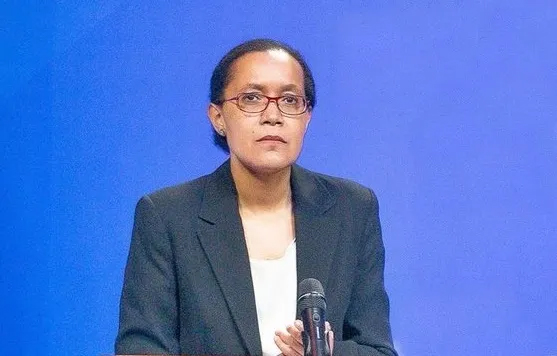
- Raissa Malu, state minister in charge of national
education, said at a press briefing that over 2,500 schools have either been
destroyed or occupied in North Kivu and South Kivu provinces during the
conflict, adding that more than 1 million students have also been affected.
-
- "We also had to lament a school that was allegedly
used as a cemetery. There are schools where blackboards have been destroyed,
benches have also been destroyed and used as firewood, and even the doors of
latrines," she deplored.
-
- The ongoing conflict between the M23 rebels and the DRC
government has led to massive population displacements and worsened the
humanitarian crisis. Tensions remain high despite diplomatic and military
efforts to end the hostilities.
-
- The M23 claimed control over several territories in
eastern DRC, including Goma and Bukavu. On Friday, the group appointed a
"governor" for South Kivu after establishing a parallel
administration in North Kivu in mid-February.
-
- For the past four weeks, 414,000 Congolese have been on
the move in the DRC's North Kivu and South Kivu provinces after the M23 ordered
people in camps for internally displaced people to return to their hometowns,
said the United Nations High Commissioner for Refugees via a report on Tuesday,
Xinhua news agency reported.
-
- A UN humanitarian official also expressed growing concern
over the rising violence in the Democratic Republic of the Congo (DRC),
particularly in the country's three easternmost provinces.
-
- Bruno Lemarquis, the UN's resident humanitarian coordinator
for the DRC, raised alarms about the escalating violence targeting civilians,
including aid workers, and critical infrastructure in Ituri, North Kivu, and
South Kivu.


