KISAMA — Kisama's "Once Upon a Local
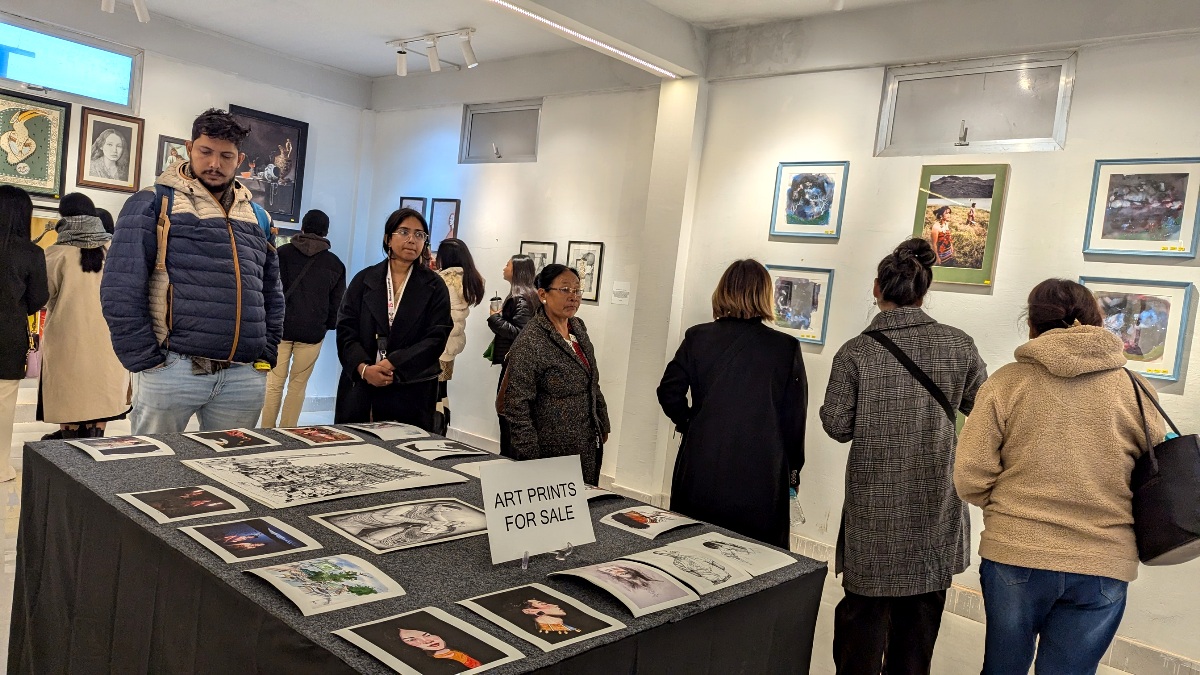
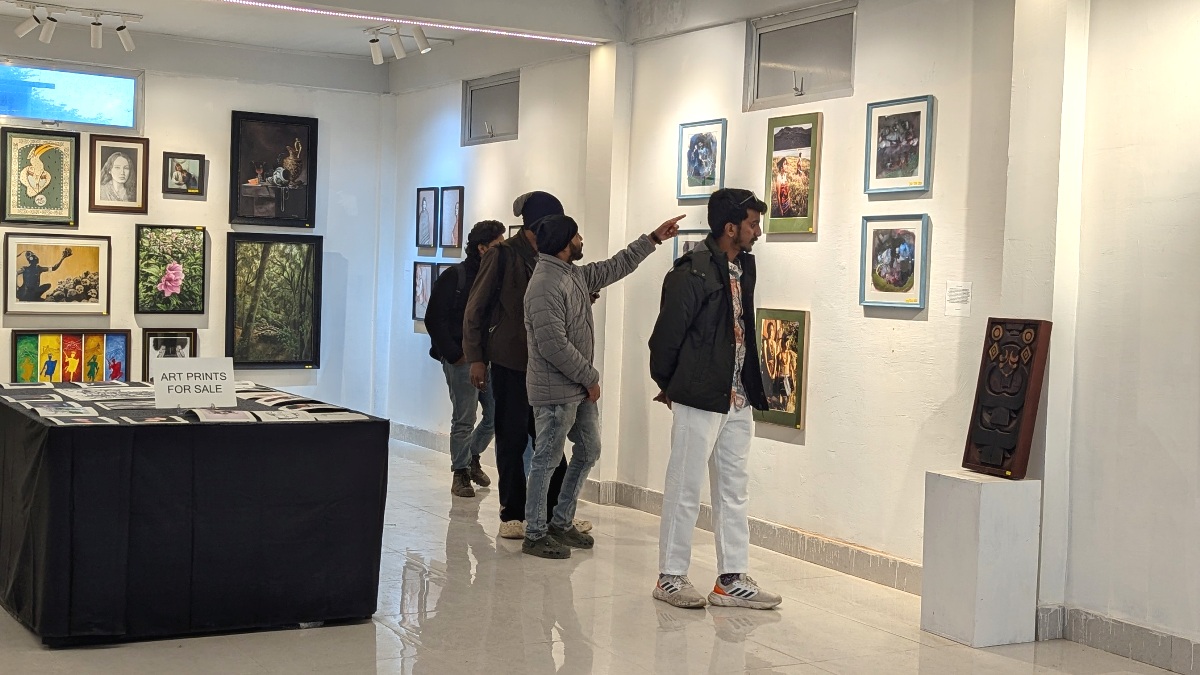
Art" exhibition at the Art Gallery at the ongoing Hornbill Festival
strives to make art affordable for every household. Located below the Media
Felicitation Centre, the gallery has about 80 artworks on display.
The curator of the exhibition, Kekhriezhazo Miachieo, who is
also a photographer by profession, said the aim of curating the art exhibition
is to make art accessible to the public.
"We want to make art as affordable as possible so that
art can be in every household," he told Eastern Mirror. Prices for
artworks start from INR 1,500 and go up to INR 1.2 lakh, depending on the
artwork and artist.
He mentioned that 80 different artworks are on display, and
about 75% of them have been sold as of the ninth day.
Miachieo, who has been curating for the past four years,
shared that the exhibitions he curated were based on the theme "home"
and how artists portray home in their art. He added that they focus on
upbringing, experiences, and how artists interpret these into photographs and
artwork.
He also runs a gallery-cum-studio in Kohima, focusing on
fine art prints and conservation framing.
One of the artists, Akuo Miachieo, is displaying eight of
his artworks titled "Silent Yearning". Sharing about his artwork, he
said it is primarily about the interplay of ink and acrylic and how the
materials and medium speak for themselves.
"Nagas have big dreams and we are always longing for
something. So, I intentionally make the figure and the landscape smaller
compared to the sky to show that we are rooted to our land, but we have big
dreams and a longing for something," Akuo said of his paintings.
For him, art is about experimenting with different mediums
and finding one's own flow and style.
Born and raised in Nagaland but from Rajasthan, Asami
Kumawat's art is a blend of two rich cultures. This unique fusion is evident in
her work, which draws inspiration from both Rajasthani and Naga traditions.
In Rajasthan, people focus on detailed work, and much like
the Nagas, it has a rich culture, traditions, and art forms. Meanwhile, the
Naga influence in her artwork comes from how she felt and saw in Nagaland; the
rich patterns and traditional designs have deeply influenced her.
Her art often depicts the vastness of the universe, with
each piece telling a story. Additionally, her calligraphy work is influenced by
Naga animism and incorporates symbolic animals, such as the lion, representing
courage and strength. She skilfully blends these symbols with elements of
applied arts.
Besides the paintings and sketching artworks, the exhibition
is also showcasing sculptures and photographs that capture the beauty and
diversity of Naga culture.