


NSCN (IM) marks 47th Republic Day with ‘betrayal’ charge, unity call, and concerns over stalled negotiations with Centre
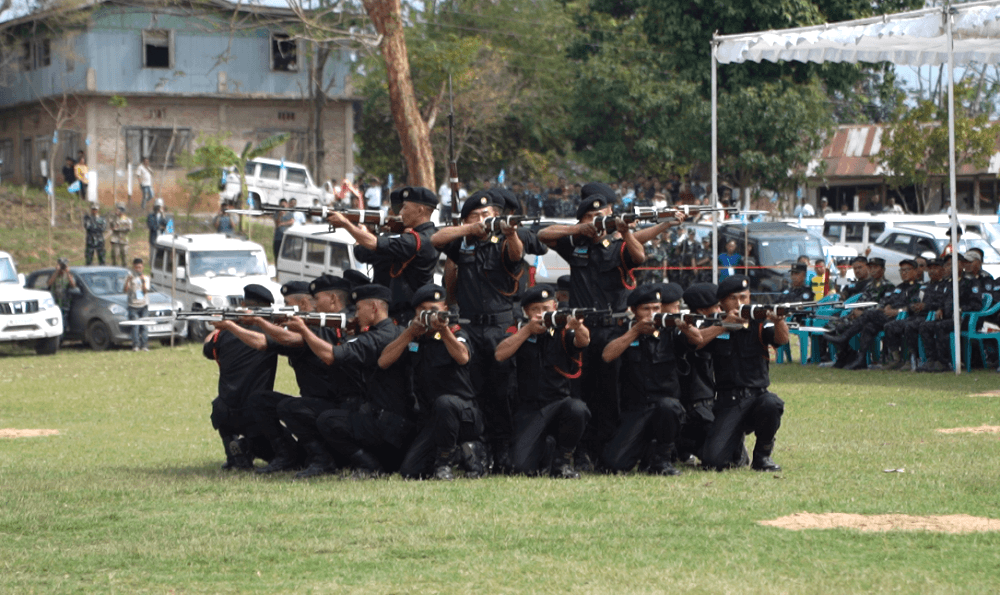
DIMAPUR — Strong assertions on sovereignty, sharp criticism of New Delhi, and candid introspection marked the 47th Republic Day of the GPRN/NSCN (IM), with top Naga leaders calling for unity, vigilance, and renewed commitment to the political cause.
Observed at Camp Hebron on Saturday, the event provided a platform for revisiting history, assessing the present, and signalling the road ahead for the Naga movement amid prolonged negotiations with the Centre.
In his presidential address, Q Tuccu said that the day commemorates the establishment of the GPRN and paid tribute to Naga martyrs, attributing the present state of the Naga nation to their sacrifices.
He, however, accused the government of India of repeated “breach of trust” and “blatant betrayal,” citing key historical developments—from the 1929 Naga Club memorandum to the Simon Commission, the 1947 Hydari Agreement, the 1975 Shillong Accord, and the 2015 Framework Agreement—as instances where commitments were not honoured.
Tuccu also flagged recent developments in Manipur, alleging continued “subversive policies” affecting Naga areas, and maintained that the political rights of the Naga people remain “non-negotiable.”
WATCH MORE:
Calling for unity and resilience, he urged the public to remain steadfast amid ongoing challenges.
Guest of honour Neingulo Krome, Secretary General of Naga Peoples Movement for Human Rights, struck a reflective tone, urging an honest assessment of the Naga movement.
He acknowledged that while not all aspirations have been achieved, the resilience of the movement—both political and military—has yielded significant gains over decades.
He cited defining moments of courage and sacrifice, and paid tribute to leaders and cadres whose contributions often remain unrecognised.
Krome pointed out that the struggle has evolved beyond armed resistance, particularly after the 1997 ceasefire agreement, entering a phase of dialogue, diplomacy, and international engagement.
He highlighted efforts to take the Naga issue to global platforms, including the United Nations, as a milestone in internationalising the cause.
At the same time, he flagged internal divisions as a major concern. “No nation can move forward if its people are divided,” he said, warning that mistrust, internal conflict, and public discord have weakened the collective position at times.
He urged Naga society to move beyond criticism and take responsibility, stressing that nation-building requires action, sacrifice, and accountability from all sections.
“Nation-building is not the duty of a few—it is the duty of all,” he said, adding that the occasion should serve as a moment of introspection rather than mere celebration.
Top NSCN (IM) leader and Lieut. Gen. VS Atem (Retd), in his address, reflected on nearly three decades of negotiations with New Delhi, expressing concern over the lack of tangible progress.
WATCH MORE:
He reiterated that the Naga issue is “unique,” asserting that Nagas did not accede to India in the manner of other states. Referring to the 2015 Framework Agreement, he described it as a significant moment but said that key issues—particularly relating to the Naga flag and constitution—remain unresolved.
Atem cautioned against growing fatigue within the movement, cautioning that prolonged negotiations risk weakening resolve.
He urged the people to remain vigilant, stating that complacency could prove detrimental.
Recalling the early years of the conflict, the veteran leader maintained that the Naga struggle started because they were forced to do so, and criticised the use of military measures, including the Armed Forces (Special Powers) Act (AFSPA).
While clarifying that the Naga movement does not oppose the Indian public, he asserted that it rejects policies perceived as suppressive.
He also alleged delays in the negotiation process, referring to changes in interlocutors, including RN Ravi and AK Mishra, and claimed that the process has stalled without meaningful progress in recent years.
Addressing the youth, Atem underscored the importance of preparedness and responsibility, urging them to contribute through knowledge, skills, and discipline rather than rhetoric or social media discourse.
He said that the future of the Naga movement depends on a capable and committed younger generation.
He also cautioned against external influences that, in his view, undermine Naga identity, stressing the importance of upholding Naga symbols and values.
Speakers across the programme echoed similar themes of unity, accountability, and renewed commitment, while acknowledging the complexities of the ongoing political process.
Representatives from civil society organisations—including Naga Hoho, Naga Mothers Association, Global Naga Forum, and Naga Students’ Federation—also addressed the gathering, reinforcing calls for collective responsibility.