


Newly recruited drugs control officers complete intensive training in Kohima as Nagaland DoHFW launches the digital NPOMAS platform.
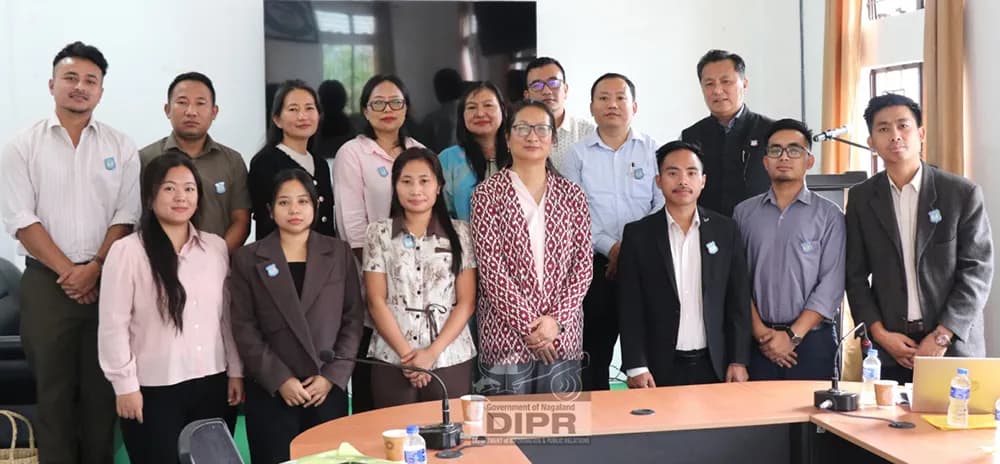
DIMAPUR — The Directorate of Health and Family Welfare (DoHFW), through the Drugs Control Administration, organised the valedictory programme of the month-long induction training for newly recruited drugs control officers and officially launched the Narcotic and Psychotropic Online Monitoring and Auditing System (NPOMAS) at the conference hall of the Drugs Control Administration, DoHFW, in Kohima on Tuesday.
The programme was attended by Dr. Mereninla Senlem, Principal Director of the Directorate of Health and Family Welfare, as the special guest, according to a DIPR report.
The event marked the successful completion of an induction training programme designed to equip newly recruited officers with the knowledge, skills, and professional values required for effective regulatory enforcement and public service. During the programme, the broad scope of the training, which covered technical, legal, ethical, and administrative aspects of drug regulation, was highlighted.
A significant component of the training involved inter-agency collaboration and field attachments. Officers were exposed to practical learning opportunities through partnerships with police, excise, and judicial authorities. Court attachments familiarised trainees with legal filings and judicial procedures, while interactions with experienced officers and subject experts facilitated valuable knowledge transfer and mentorship.
The newly inducted officers also received practical exposure to pharmacy inspections, supply chain monitoring, and regulatory oversight mechanisms. The training stressed the importance of continuous learning, adaptability to evolving regulatory requirements, and coordinated efforts with law enforcement and social welfare agencies to strengthen public health protection.
A key highlight of the event was the launch of the NPOMAS, a digital platform designed to modernise the monitoring and management of narcotic and psychotropic substances. The system enables real-time stock monitoring, digital record maintenance, and improved oversight of prescription details and drug distribution.
In addition, the department highlighted ongoing efforts to strengthen the state's regulatory infrastructure through the expansion of laboratory testing capabilities, standardisation of procedures across district hospitals in line with national guidelines, and the creation of systems that support effective monitoring and enforcement activities.
Addressing the gathering, speakers highlighted the critical role of drug control officers in safeguarding public health, ensuring the quality, safety, and efficacy of medicines, and maintaining compliance with regulatory standards. The newly inducted officers were encouraged to uphold the highest standards of integrity, professionalism, and ethical conduct in the discharge of their duties.