


Department of School Education concludes statewide sensitisation on School-Related Gender-Based Violence under NECTAR.
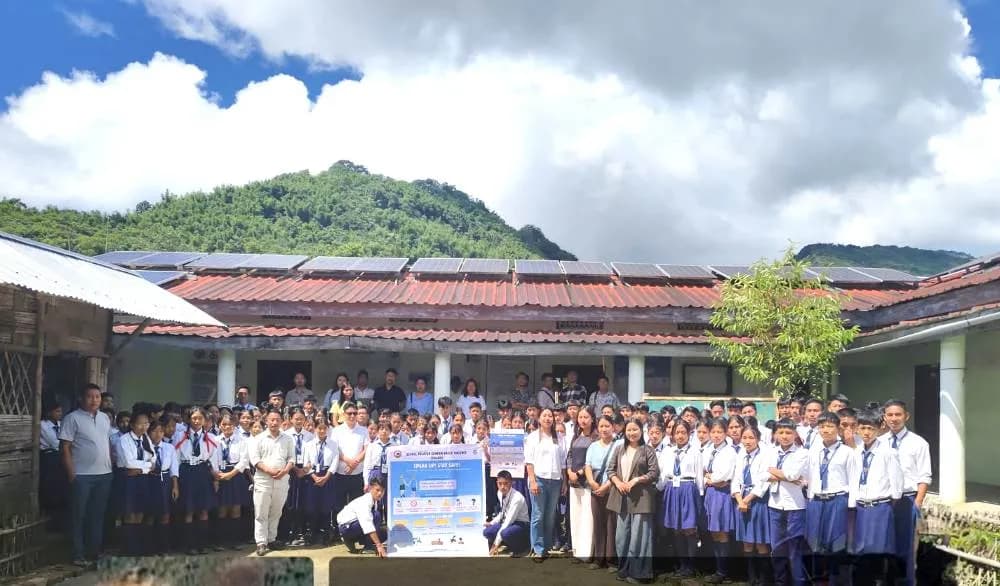
DIMAPUR — The first-level sensitisation on School-Related Gender-Based Violence (SRGBV) conducted across Lighthouse school complexes (LSCs) in all 17 districts concluded on September 15.
Organised by the Department of School Education under the Nagaland Education Project – The Lighthouse (NECTAR), the initiative aims at fostering safe learning spaces in schools across the state.
According to an update, the programmes were conducted in coordination with the District LSC SRGBV committees comprising officials and representatives from the district administration, Social Welfare department, police, Child Helpline, District Hub for Empowerment of Women, Sakhi One Stop Centre, students’ unions, school heads, and teacher counsellors.
Attended by the LSCs and their hub schools in each district, the sessions covered topics including the meaning and forms of SRGBV, safe reporting mechanisms, concepts of safe and unsafe touch, consent, personal boundaries, the right to privacy, confidentiality, the role of the SRGBV committee, the POCSO Act, the POSH Act, non-discrimination, and the roles and responsibilities of students, teachers, and parents in SRGBV prevention and response.
Read more local news: Nagaland, 1979: A Japanese photographer’s time capsule
Nagaland’s NCD burden: Cancer, hypertension raise concern
During the sessions, resource persons highlighted the importance of child protection, gender equality, prevention of violence and exploitation, and the promotion of a safe, inclusive, and child-friendly environment in schools. They stated that adults must adequately respond to cases of child sexual abuse and violence while strictly protecting the identity of the child.
Resource persons also underscored the importance of respect for diversity, gender equality, and non-discrimination, calling upon participants to challenge harmful stereotypes and prevent exclusion. They explained the availability of safe reporting mechanisms such as the Grievance Redressal Mechanism portal, complaint boxes, and information, education, and communication materials available to students.
Awareness was also created on seeking help from trusted adults and appropriate authorities when facing harassment or abuse.
Across the districts, committees and participants noted that school-related violence can be prevented and addressed through active participation among students, teachers, school authorities, and the wider community.