


Nagaland may be missing 1,000 to 2,000 tuberculosis cases, prompting calls for better detection and private-sector coordination.
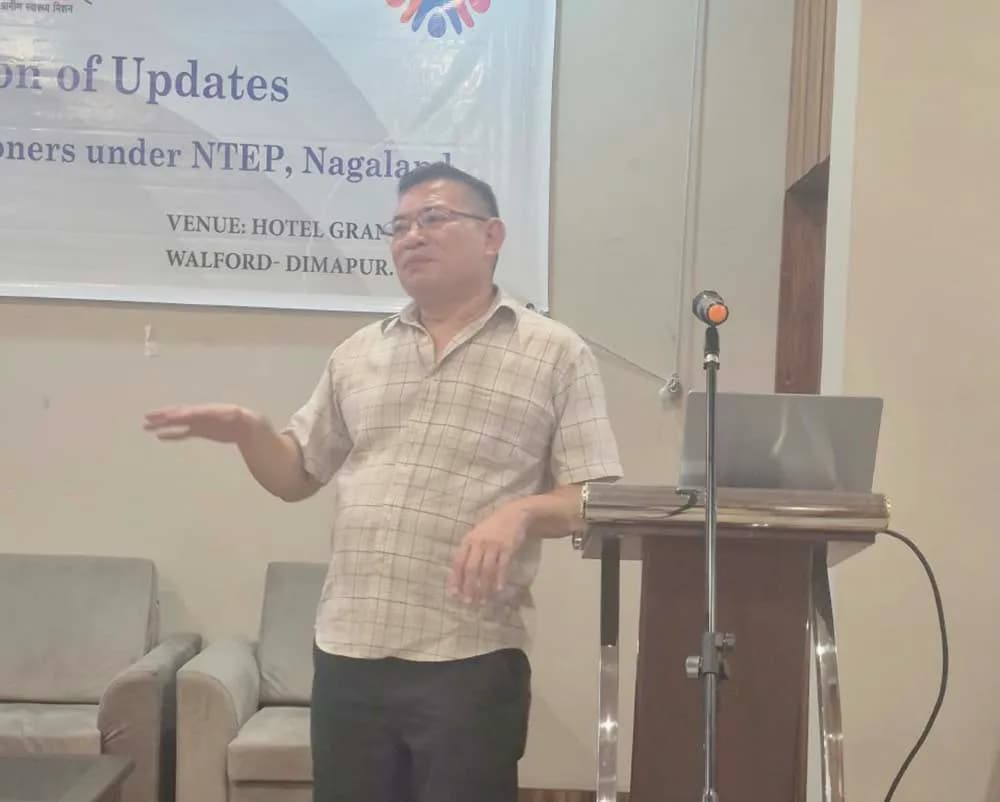
DIMAPUR — Nagaland may be missing between 1,000 and 2,000 tuberculosis (TB) cases, a World Health Organization (WHO) medical consultant said on Friday, highlighting gaps in case detection and the need to reach patients seeking treatment in the private sector.
“In Nagaland, we are missing about 1,000 to 2,000 cases,” Dr. Collins Z Sono said at a sensitisation programme on updates under the National Tuberculosis Elimination Programme (NTEP) for private practitioners in Dimapur.
The WHO consultant said the state had recorded an 18% reduction, but added that it remained far behind in efforts to eliminate the disease.
He stressed the need to identify all TB cases through quality-assured diagnostic services, with particular attention to patients treated by private healthcare providers. He also discussed recent updates in the management of drug-resistant TB and new regimens for preventive therapy.
Chief Medical Officer of Dimapur, Dr. T Yetovi Tuccu, reminded that private practitioners had a crucial role in eliminating TB, given the number of patients who sought care at private hospitals and clinics.
India accounted for 25–28% of the global TB burden, Tuccu said, adding that malnutrition, overcrowding, diabetes, smoking and alcohol consumption were among the factors contributing to the disease.
He urged private practitioners to follow government protocols for diagnosis and treatment and counsel patients against stopping medication before completing the prescribed course. Patients could also be referred to government hospitals to access available schemes, he added.
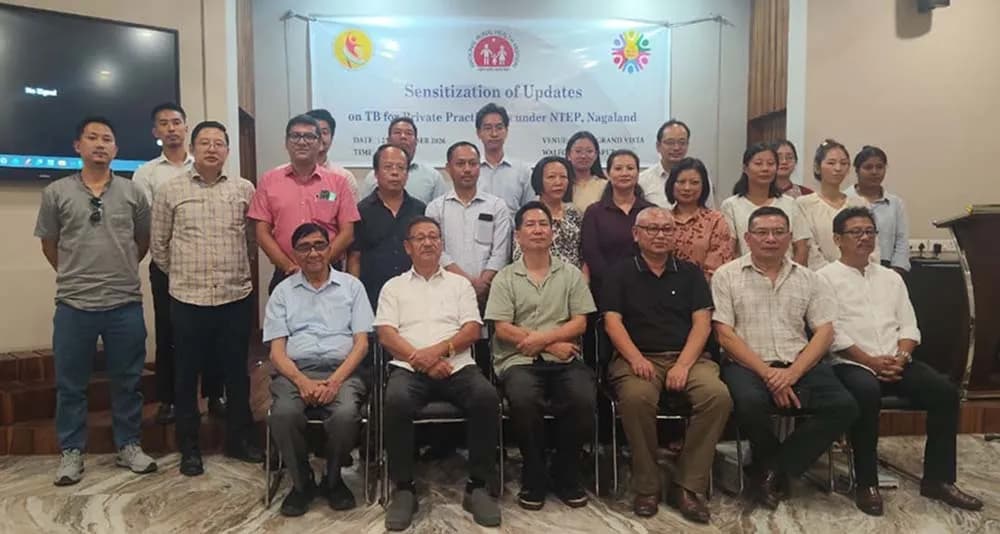
“Diagnosis should be followed by proper treatment,” Tuccu said.
State TB Officer Dr. Akum Jamir stressed that notification of every TB case was mandatory under a 2012 government notification. He highlighted interventions under the TB Mukt Bharat Abhiyan, including screening in tribal markets, fairs, forest hamlets and other vulnerable locations.
Jamir said that undernutrition, housing conditions, indoor air pollution, tobacco use, alcohol consumption, substance abuse and geographical barriers contributed to the higher prevalence of TB among tribal communities. He called for community outreach involving tribal leaders, traditional healers, faith-based leaders and other local influencers.
He also advised healthcare workers, including practitioners who regularly dealt with TB patients, to undergo screening at least once a year. Microscopy, he suggested, should be used only for follow-up.
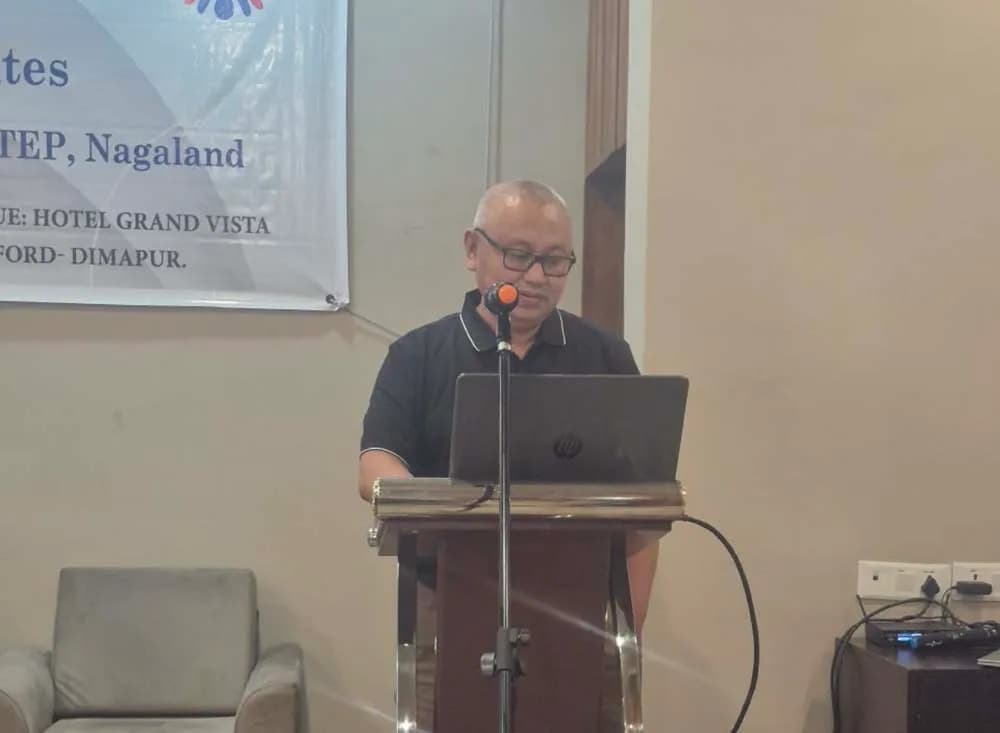
State Public-Private Mix coordinator under NTEP, Temjenochetla Ao, shared that 48.2% of people in Nagaland sought healthcare in the private sector. Among clinically diagnosed patients in the private sector, 33% were offered Universal Drug Susceptibility Testing within 15 days, she said.
She added that the median cost incurred by patients receiving treatment in the private sector was INR 20,000, underlining the financial burden faced by some patients.
The programme focused on improving coordination between government health services and private practitioners to strengthen TB diagnosis, notification and treatment.