


Nagaland’s disability commissioner Tongpang L Jamir highlights gaps in accessibility, inclusion, rehabilitation and implementation of disability rights
DIMAPUR — Persons with disabilities (PwDs) in Nagaland have a legal framework providing for equality, accessibility, inclusive education, reasonable accommodation and equal opportunities. But translating those rights into everyday life remains a challenge, according to the state’s Commissioner for PwDs, Tongpang L Jamir.
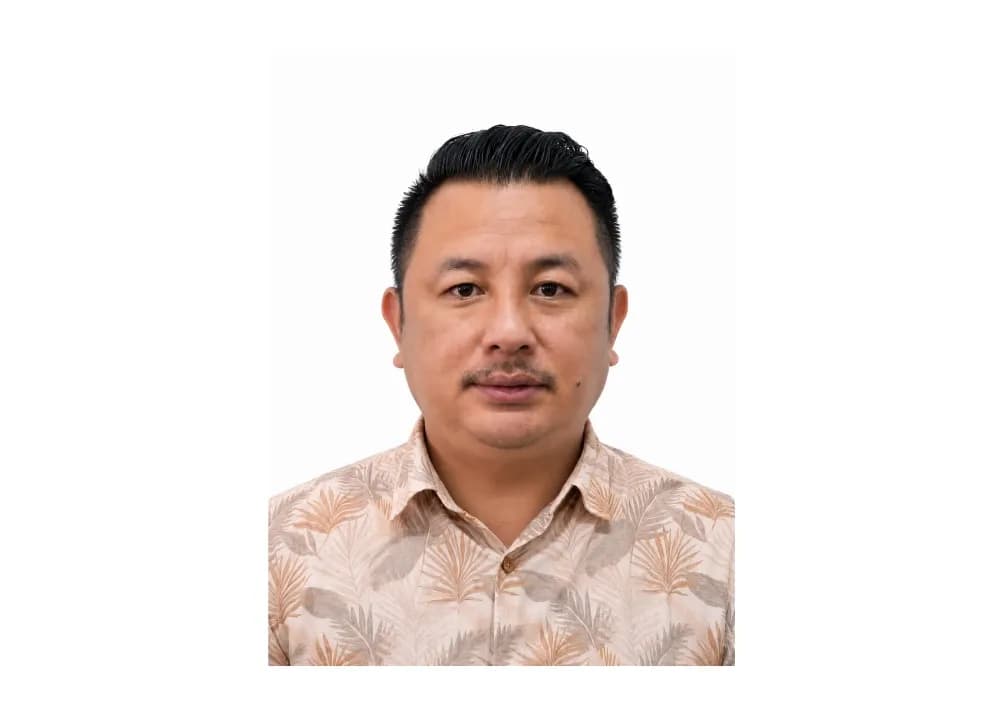
“There is a genuine willingness among many stakeholders to work PwDs, but there remains a considerable gap between policy and implementation,” Jamir said in an exclusive interview with Eastern Mirror.
Jamir, who assumed office in April, said his initial engagement with stakeholders and visits to institutions had reinforced the need for a coordinated approach to disability inclusion.
His assessment comes after years of involvement in the disability sector. Before taking up the statutory position, Jamir worked in an advisory capacity with the Nagaland Parents Association for the Disabled (NAPAD) for about 12 years.
His engagement with the sector began in the early 2000s, when he volunteered at Four Steps, a Centre for Intellectual and Developmental Disabilities in Delhi.
“Over the years, I have come to understand that disability is not merely a matter of impairment; very often, it is the physical, social, attitudinal and institutional barriers surrounding a person that create exclusion,” he said.
Speaking about his approach to the Commission, Jamir said he believes in “listening first, understanding the realities on the ground, and then using the statutory mandate of the Commission to bring about meaningful and sustainable change.”
Also read: Rehab blind spot? Supreme Court PIL puts spotlight on Nagaland's disability care sector
He pointed to a recurring problem: having a right does not necessarily mean being able to exercise it. “A child may have the right to education, for example, but if the school is inaccessible, teachers are not adequately sensitised, assistive support is unavailable and transportation is difficult, that right remains only on paper,” Jamir said.
He said inclusion could not be achieved through isolated programmes. “It requires a coordinated, whole-of-government and whole-of-society approach,” he added.
Visible accessibility gap
Since taking office, Jamir has visited public transport facilities and disability service providers, including Nagaland State Transport facilities and the District Disability Rehabilitation Centre in Dimapur.
He said the visits had highlighted physical barriers in public spaces, inadequate facilities for persons with different types of disabilities, limited accessibility in transportation and insufficient attention to universal design.
But he cautioned against treating accessibility as simply a matter of constructing ramps. “It includes accessible information, communication, signage, digital services and the ability of a person with a disability to independently access a service,” he said.
Jamir said the purpose of inspections was not merely to identify shortcomings but to initiate corrective action. “I expect departments to treat accessibility as a statutory responsibility rather than an optional addition to infrastructure,” he said.
He would like accessibility audits to become a regular part of planning and implementation, with clear timelines, assigned responsibility and follow-up mechanisms.
From law to implementation
Speaking about the Rights of Persons with Disabilities Act, 2016, Jamir said accessibility, inclusive education, employment, reasonable accommodation, social security, healthcare and rehabilitation all require sustained attention in Nagaland.
The state also needs stronger inter-departmental coordination, reliable disability data, greater sensitisation of officials and service providers, and accessible grievance-redressal mechanisms, he said.
Read more from this series: How many are we? The data deficit holding back disability rights in Nagaland
“Most importantly, disability rights must be mainstreamed into the planning and functioning of every department, rather than being viewed solely as the responsibility of the Social Welfare department,” he said.
Rehabilitation services need oversight
Rehabilitation services are another area where Jamir sees a need to strengthen implementation.
Families have traditionally had to travel outside the state for specialised rehabilitation and therapy. While more services within Nagaland have reduced that burden for some families, Jamir said their growth must be accompanied by appropriate regulation.
He said rehabilitation centres must engage qualified professionals, follow recognised standards, maintain proper records and provide ethical, evidence-based services.
The existing regulatory mechanisms provide an important framework, but there is scope for stronger coordination among the government, regulatory bodies, professionals, service providers, organisations of PwDs and families.
“The objective should not be to discourage genuine service providers, but to ensure that the growth of rehabilitation services is safe, professional, transparent and accountable, and above all, responsive to the rights, dignity and best interests of PwDs,” Jamir said.
From childhood to adulthood
While early intervention, education and rehabilitation receive attention, Jamir said the transition from childhood to adulthood requires greater focus.
Young persons with disabilities need opportunities for higher education, skill development, employment, entrepreneurship, independent living and meaningful participation in community life, he said. Families also need support to plan for the future.
Jamir believes some disability issues remain overlooked because disability has traditionally been approached through a welfare and charity lens rather than as a matter of rights and inclusion.
“We need to change this narrative and recognise PwDs as rights-holders, equal citizens and active contributors to society, with their voices meaningfully reflected in policies and decision-making,” he said.
A watchdog and a bridge
As State Commissioner, Jamir has powers to inquire into deprivation of rights, monitor implementation of safeguards and advise the government. He said he intends to exercise those powers “independently, fairly and constructively.”
“Accountability does not necessarily mean confrontation,” he said.
The objective, he explained, should be to ensure that departments understand their obligations and take corrective action wherever gaps exist. Where there is persistent neglect or deprivation of rights, the Commission must exercise the powers available to it under the law.
“I see the Commission as both a watchdog and a bridge—a watchdog that protects the rights of PwDs, and a bridge that facilitates better understanding and coordination between citizens and government,” he said.
For his tenure, he identified three priorities: accessibility and barrier-free inclusion; strengthening services and opportunities; and building a culture of rights and dignity.
He wants accessibility to become a standard consideration in public infrastructure, transportation, education, government services and digital platforms.
His second priority is strengthening quality rehabilitation, inclusive education, skill development, employment and livelihood opportunities within Nagaland.
On his third priority, he said PwDs must be seen not as recipients of charity, but as equal citizens with rights, abilities, aspirations and contributions to make.
For Jamir, the measure of success should not simply be how many complaints his office receives or inquiries it conducts, but how effectively those processes result in improved lives.
“If, at the end of my tenure, I can look back and say that more public spaces became accessible, more families were able to access quality services without having to leave the state, more PwDs found meaningful opportunities, and government systems became more responsive to their rights, I would consider that a meaningful contribution,” he said.
(This report is facilitated by the LIC HFL Sarthak)
JOIN OUR WHATSAPP CHANNEL