


Dr. Vinotsole Khamo was addressing students at the event organised by Population Based Cancer Registry, NIST Kohima, Nagaland, in collaboration with School of Sciences and Internal Quality Assurance Cell, St. Joseph's College Jakhama.
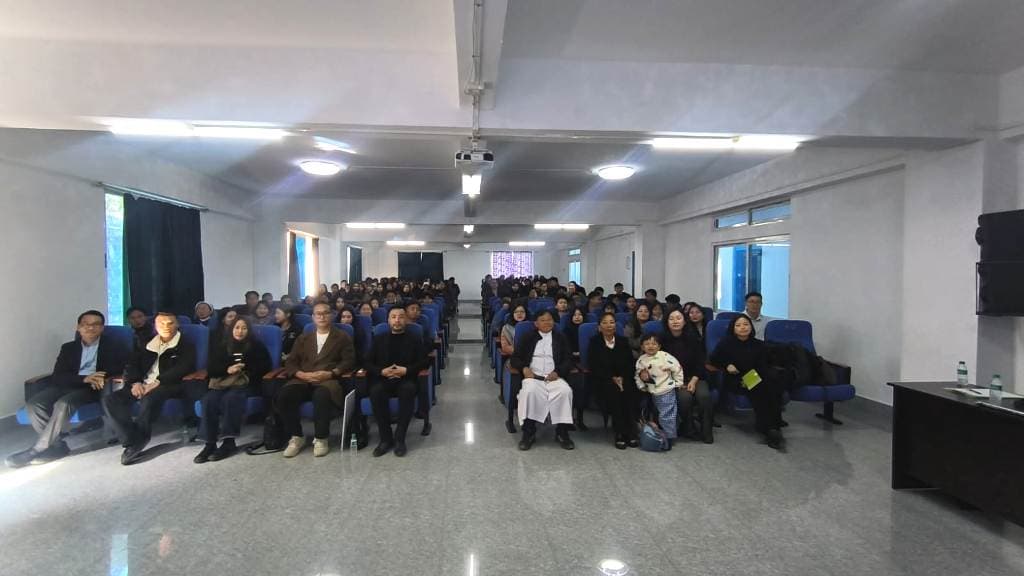
KOHIMA — It is time to create awareness among the youth of the state on the harmful effects of tobacco, said Dr. Vinotsole Khamo, Professor and Head of Health Research Nagaland Institute of Sciences and Technology, Kohima, on the occasion of World Cancer Day on Wednesday at St. Joseph's College (Autonomous) Jakhama.
She was addressing students at the event organised by Population Based Cancer Registry, Nagaland Institute of Science and Technology (NIST) Kohima, Nagaland, in collaboration with School of Sciences and Internal Quality Assurance Cell, St. Joseph's College (Autonomous) Jakhama.
Awareness programmes have been conducted among school-going children, in the churches and various other settings. It’s high time to impart the ill-effects of tobacco as well as its impact on human health and the state exchequer to college students, said the health expert, who is also the Principal Investigator, PBCR Nagaland.
Also read: Inclusive by design: White Owl Literature Festival puts diverse voices centre stage
Nagaland registers around 700 new cancer cases and 126 deaths on an average every year, she said citing Indian Council of Medical Research-National Cancer Registry Programme 2011-2016 data. She added that nasopharynx cancer is endemic in the state, ranking the second highest in the world after China and eleventh in India in total cancer incidence.
North East is always leading when it comes to cancer-related diseases, she said, adding that it has to do with lifestyles and dietary habits of the people.
Dr. Vetsolu Hiese, Research Scientist, Hospital-Based Cancer Registry (HBCR), NCDIR Naga Hospital, Kohima, dwelled on tobacco and its harmful effects. Citing data, she said 12 to 13 lakh people die every day due to tobacco use in India.
Highlighting risk factor reduction such as no tobacco or alcohol, healthy diet, physical activity, vaccinations and so on, the resource person also shared tips to quit tobacco including nicotine replacement therapy, relaxation therapy and involvement in physically activities.
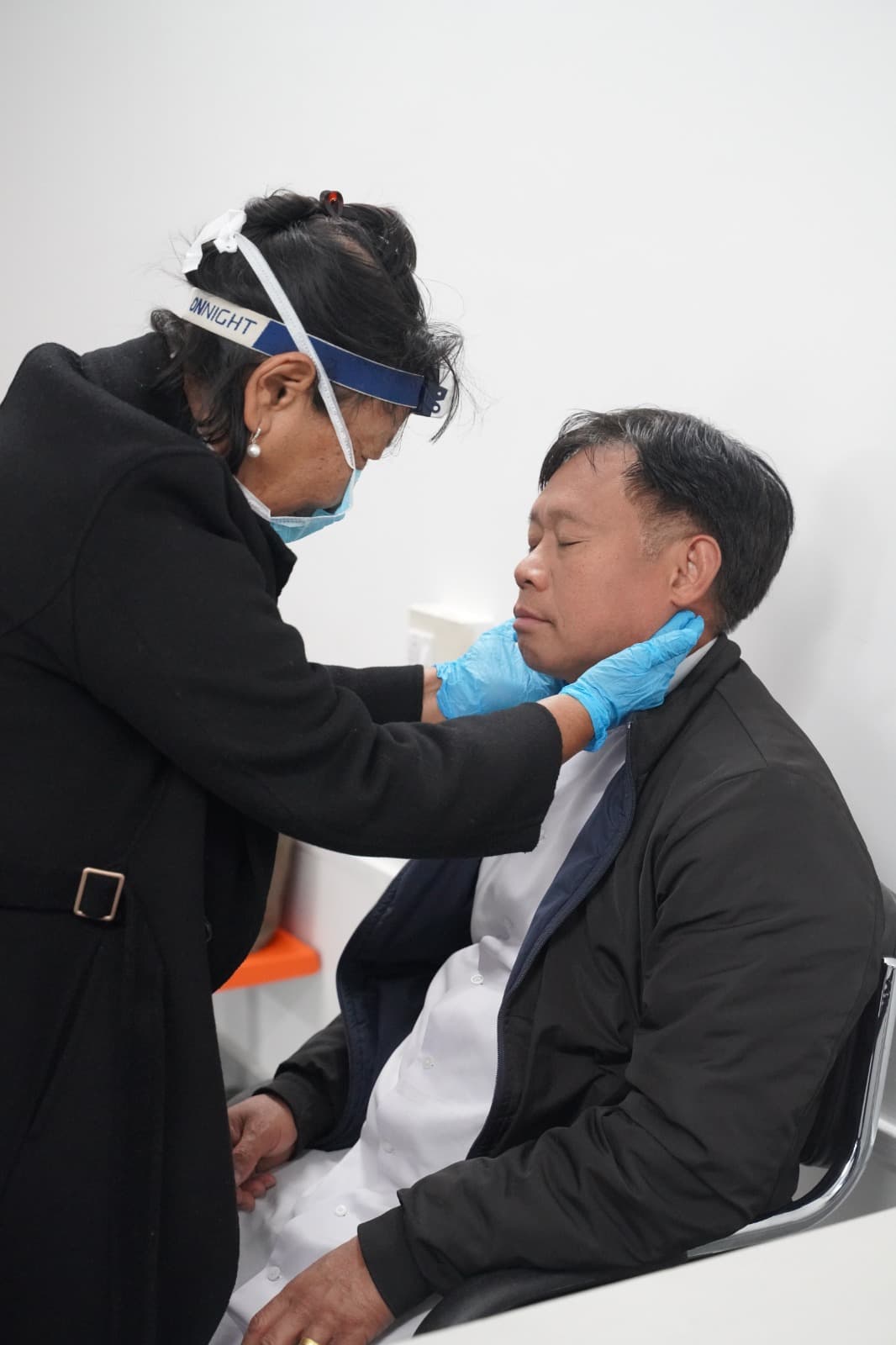
Free oral cancer screening was also conducted after the programme. A total of 63 people were screened, out of which 33 oral control swaps were taken for further investigation with one suspected case of oral lesion.