


Naga youths recount their experience at Delhi's 'Sansad Chalo' protest, describing solidarity, police action and civic participation during demonstrations
DIMAPUR — A group of Naga youths living and studying in New Delhi have recounted scenes of chaos, heavy police deployment and the use of force during the 'Sansad Chalo' protest held in the national capital on July 20.
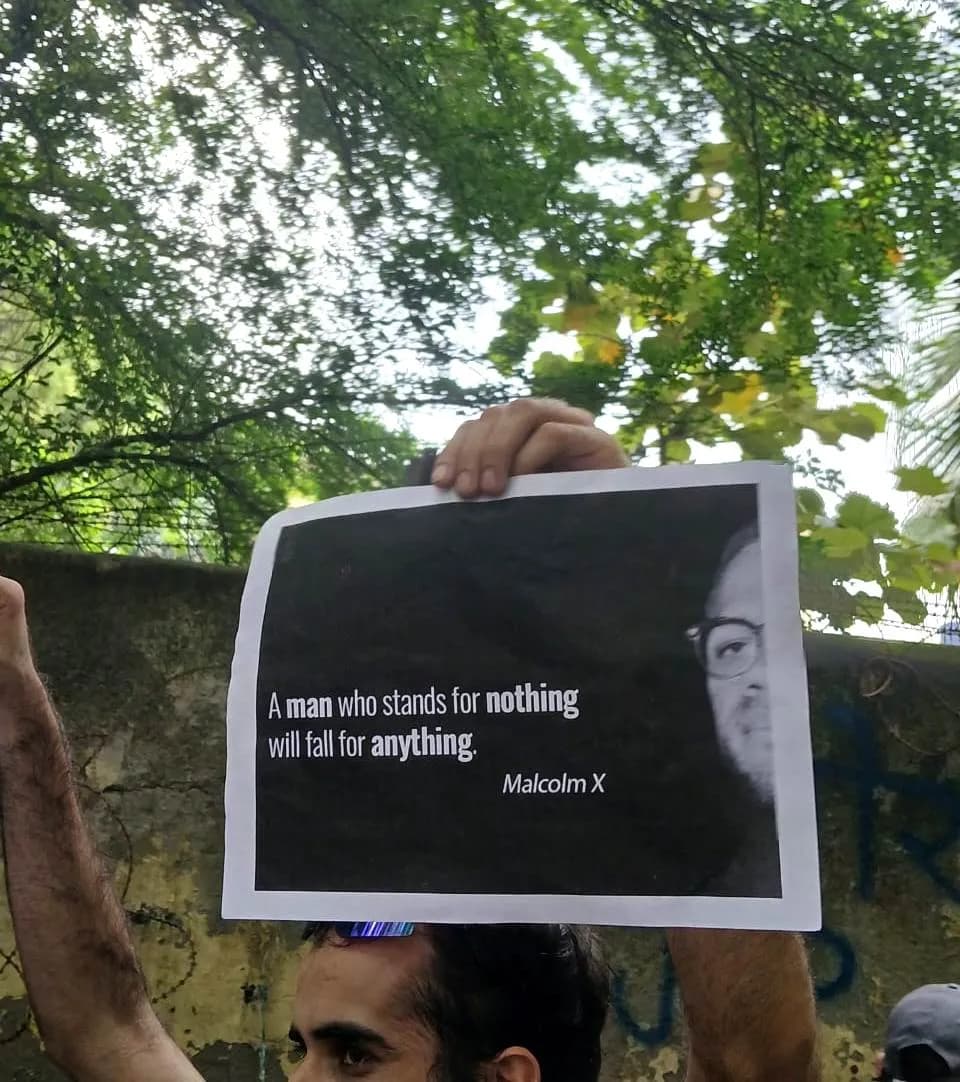
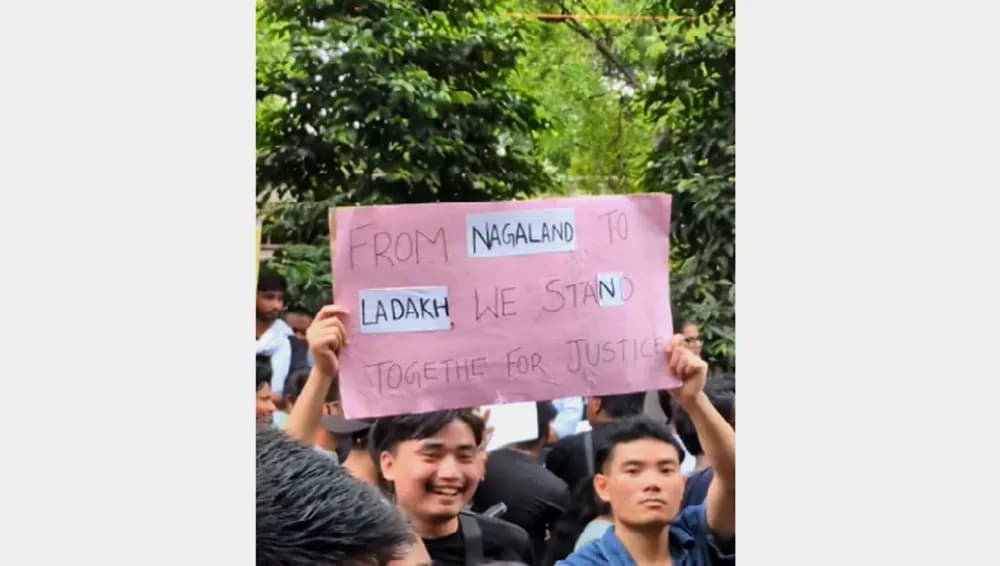
Among those who joined the march was Lipoksunep Jamir, a marketing professional, along with four friends and several other Nagas studying and working in Delhi. They had participated the protest after connecting with the others through WhatsApp groups that shared real-time updates and logistical information.
According to the group, participants had been informed in advance about metro station closures, internet disruptions, barricades and extensive police deployment around the protest venue.
Also read: With stethoscopes and first-aid kits, volunteer doctors stand by protesters at Jantar Mantar
Delhi HC seeks Centre, police response on pleas alleging excessive force during Parliament march
What began as a peaceful march around 2 pm soon turned chaotic, they recalled, alleging that police resorted to lathi-charge and used smoke canisters to disperse demonstrators attempting to march towards Parliament. "We saw people with teary eyes, students bleeding and many struggling to breathe," Lipoksunep said, recalling the scenes that unfolded as protesters tried to move forward.
According to the group, the experience left a deep impression on them, particularly the solidarity displayed by participants from different parts of the country. "There was no distinction of caste, creed or background. Everyone came together with a common purpose," they said, adding that it was the first time many of them had participated in a protest of such scale.

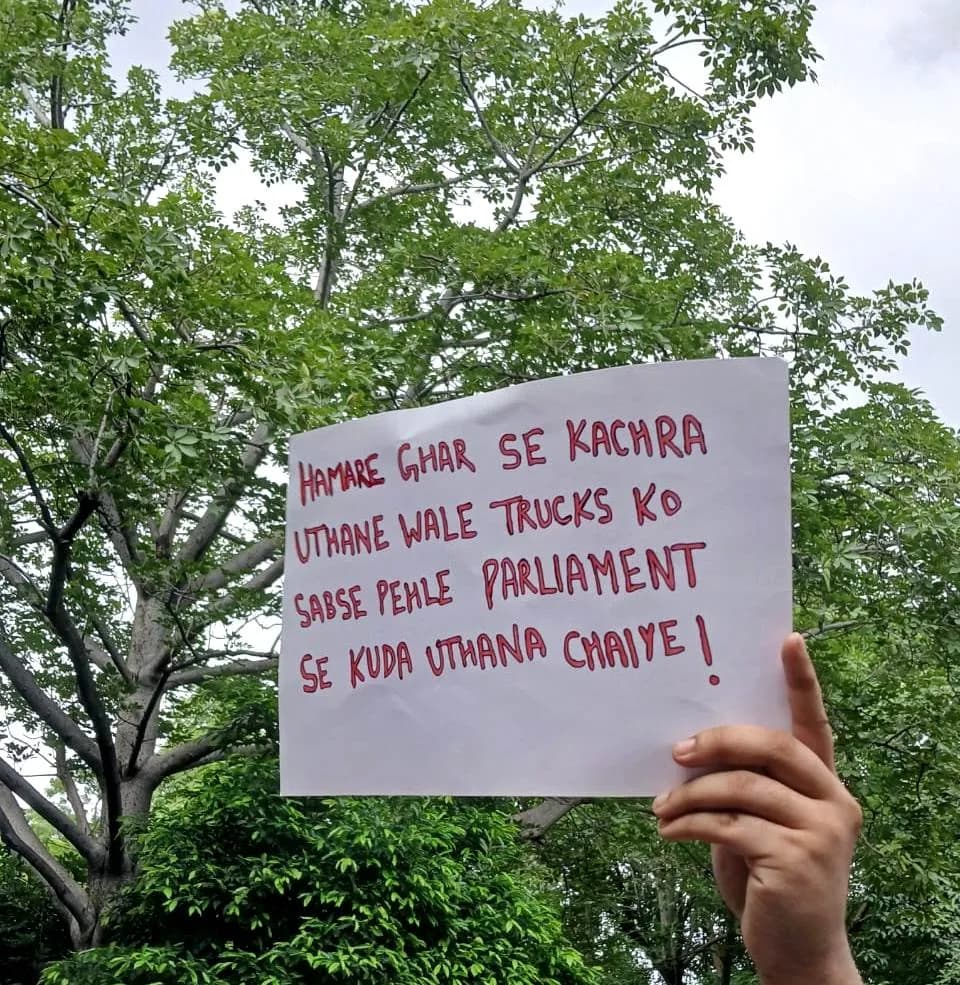
They also recalled that volunteers and civil society groups distributed food, drinking water and other essentials to protesters throughout the demonstration, while many individuals extended support through anonymous donations.
Reflecting on the experience, the Naga youths said the protest went beyond the interests of students alone and represented, in their view, a broader expression of young people's concerns about their future. "It is no longer about where you come from or what profession you belong to. For us, it was about standing up for what we believe in," one of the participants said.
The youths said that the experience reinforced the importance of civic participation and collective action, describing it as a moment that inspired many first-time protesters to raise their voices on issues affecting the country's youth.