


The remains belong to eight Naga tribes, with the Phom community accounting for 24 of the 39 returned from the University of Oxford.
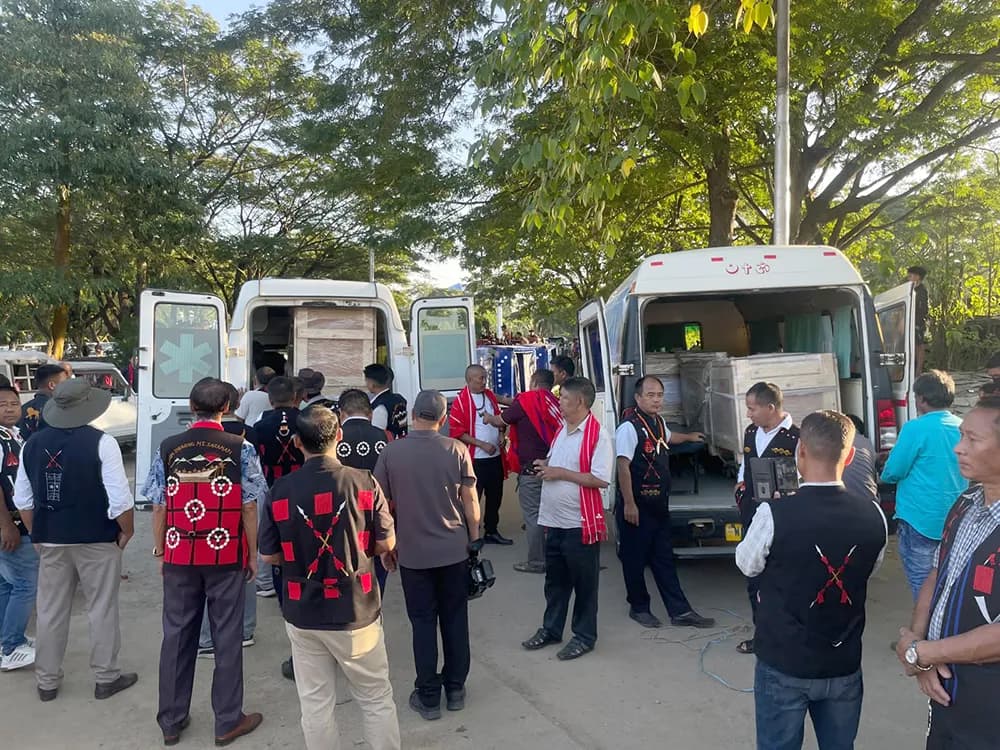
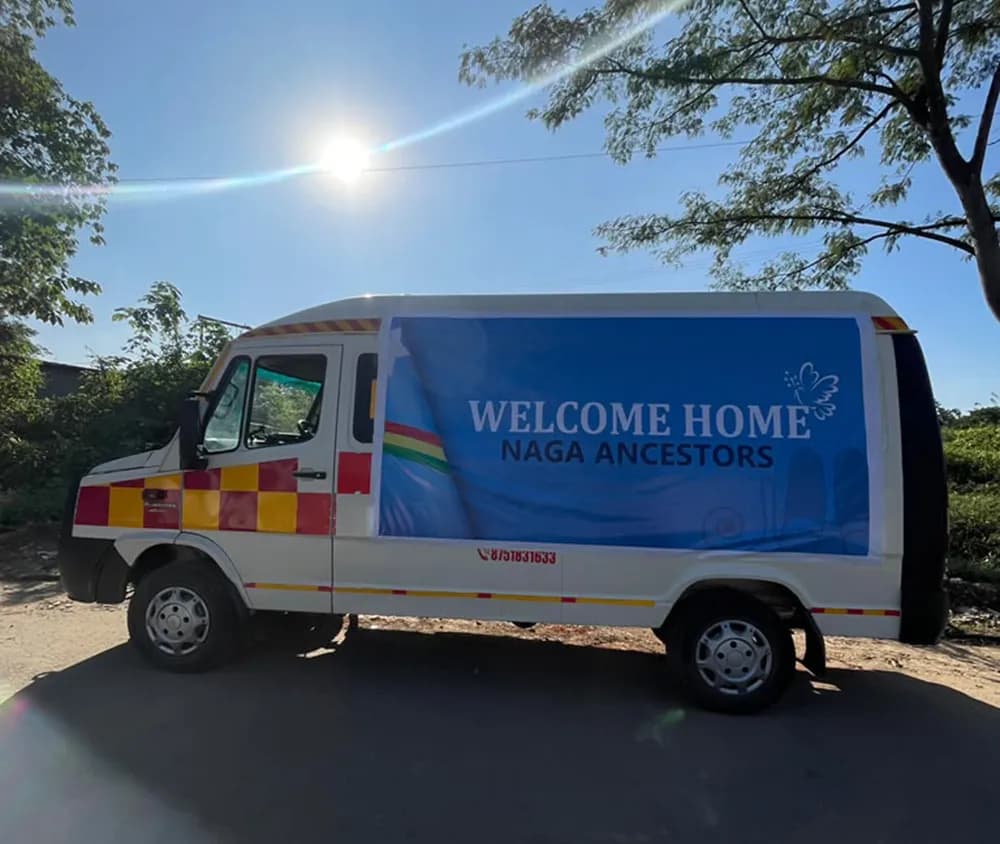
DIMAPUR — Thirty-nine ancestral remains of Naga forebears, returned by the Pitt Rivers Museum at the University of Oxford in England, reached Dimapur on Friday, marking a major moment in a six-year community-led effort to bring home human remains taken from the Naga homeland during the colonial era.
The remains belong to eight Naga tribes — Phom, Konyak, Yimkhiung, Khiamniungan, Sumi, Tangkhul, Pochury and Chang. The Phom tribe accounts for the largest share, with 24 of the 39 remains.
The repatriation was facilitated by the Forum for Naga Reconciliation (FNR) and Naga tribal hohos, in collaboration with the Recover, Restore and Decolonise (RRaD) research group and a Naga delegation comprising tribal leaders, elders and scholars.
The process began in 2020, following the Pitt Rivers Museum's decision to remove human remains from public display. This opened the way for discussions between the museum and Naga representatives on the return of ancestral remains held in its collection.
Historical records indicate that many of the remains were taken from the Naga homeland during the colonial period, primarily between 1910 and 1940, by British colonial administrators and anthropologists.
Following the initial engagements, the FNR facilitated consultations with Naga elders, tribal organisations and communities. The RRaD initiative was subsequently formed to undertake participatory research, build public awareness and establish a collective understanding of the repatriation process.
The effort involved research to identify the communities to which the remains belonged, consultations with tribal bodies, public engagement and documentation of community opinions before a formal repatriation claim could be made.
Interacting with media persons at Dimapur Airport, Thamlong Phom, co-convenor of the local arrangements for the repatriation, said the remains had been brought in eight boxes.
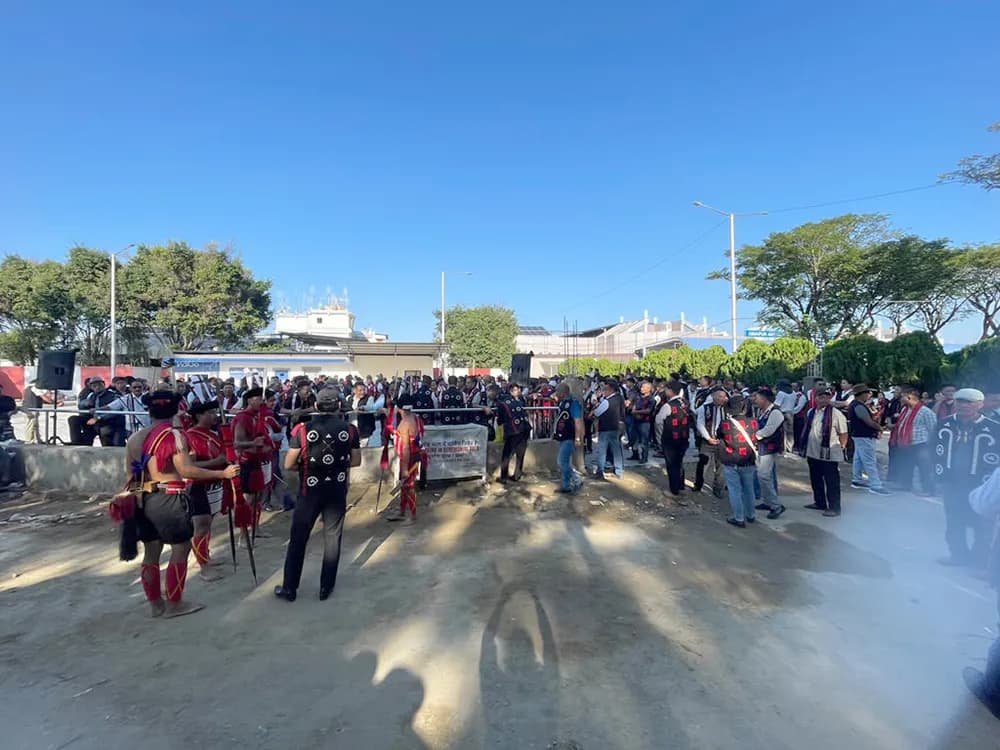
Representatives of all eight tribes were present to receive them, along with members of other Naga tribes and communities from Manipur.
Naga Council Dimapur president GK Rengma said the occasion reflected the spirit of unity among the Naga people and expressed hope that the solidarity shown during the homecoming would be sustained.
Following the reception in Dimapur, the ancestral remains were taken to Kohima, escorted by a cultural troupe, for a series of public programmes and final burial rites.
A public homecoming programme will be held at the NBCC Convention Centre, Kohima, on November 28 at 12 noon. Public viewing, wreath-laying and prayers will be held at the same venue on November 29.
The final burial rites will be conducted at Naga Solidarity Park, Kohima, on November 30.
Related news: Oxford agrees to repatriate 39 Naga ancestral remains