


Nagaland mothers share honest stories about guilt, sacrifice, emotional burnout, resilience and balancing work, family and caregiving roles
DIMAPUR — Beyond the flowers, wishes and family lunches this Mother’s Day lie the words many mothers rarely say aloud—the quiet sacrifices, moments of doubt, emotional exhaustion and the kind of love that never shifts.
From working mothers to women in ministry and childcare, their message is simple: see the unseen parts of motherhood.
For Aying Wangsha, member of Nagaland State Commission for Protection of Child Rights, motherhood has deeply shaped the way she approaches her work.“Being a mother has made me more sensitive to the emotional, psychological and physical needs of every child,” she said.

Wangsha, who is raising a child with special needs, said that motherhood taught her compassion in ways no training ever could. “I have personally experienced the challenges of understanding a child’s unique needs, fighting for acceptance and ensuring dignity and inclusion,” she shared.
She admitted that her instincts as a mother often guide difficult decisions involving vulnerable children facing abuse, neglect or trauma. “In such situations, I ask myself: what kind of protection and care would I want for my own child?” she said. “That perspective helps me make decisions with empathy and responsibility.”
Also read: M for motherhood, M for mess: Dimapur moms unpack the chaos of raising children
Like many working mothers, Wangsha acknowledged feeling guilty at times while balancing professional responsibilities and family life. “There are moments when I wonder whether I am giving enough time and attention to my children,” she admitted. “But I’ve learned that guilt should not define motherhood.”
Motherhood in ministry
For P Angbhen Phom, women secretary of Phom Baptist Christian Association (PBCA, motherhood and ministry are deeply connected. She believes today’s families are facing growing emotional and moral challenges marked by insecurity, broken relationships and neglect.

“Motherhood builds moral values and activates our instinct to protect,” she said. “What is taught in the kitchen and lulled in the cradle shapes the society we live in.”
Balancing ministry and family life, however, is rarely easy. “Association ministry has no fixed working hours,” she explained. “Managing meetings, seminars and family responsibilities requires constant planning.”
Phom admitted experiencing “mom guilt” when birthdays, school programmes or important family moments happen in her absence. Still, she believes intentional effort keeps both family and ministry alive. “Sometimes you return home exhausted, but you remind yourself that your spouse and children also need your presence,” she said.
She also pointed out that many workplaces are still designed without considering the realities women face at home. “Systems designed without women in mind often fail to recognise the responsibilities mothers carry,” she said, calling for more inclusive work structures and greater understanding of women’s needs.
At the same time, she encouraged women not to limit themselves. “Reject excuses and average mindsets,” she urged. “Women today are breaking barriers everywhere.”
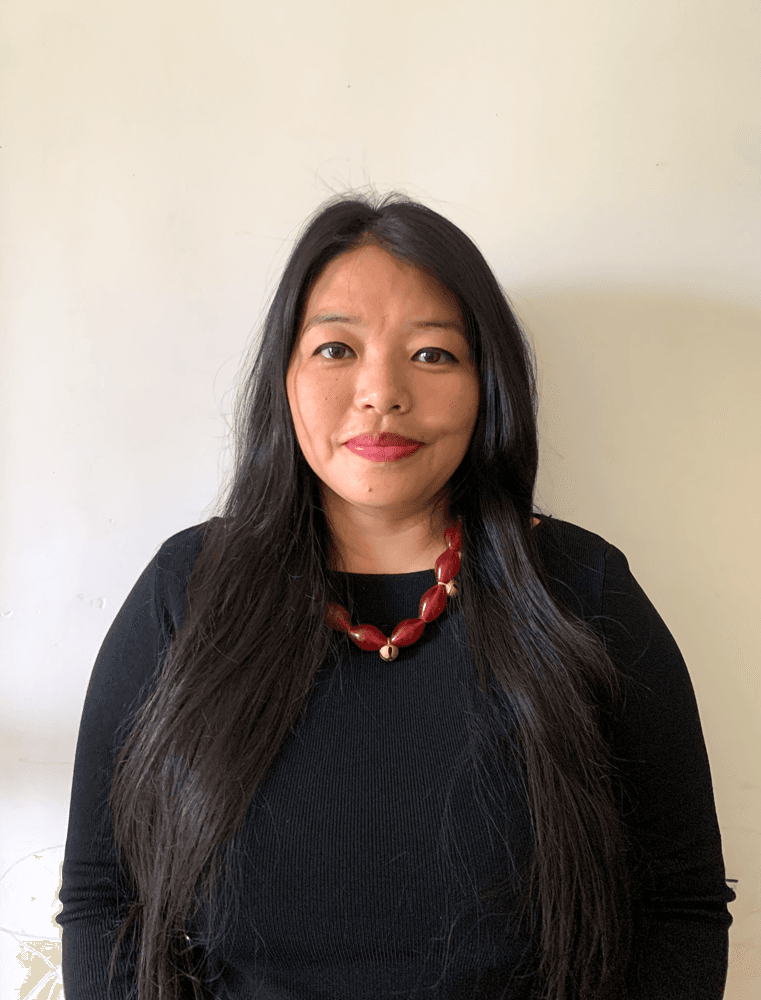
For Asula Jamir, educator at Kinderworld Preschool and Childcare, motherhood has reinforced the importance of empathy—both at home and in the classroom. “Every mother carries a different set of fears, emotions and responsibilities shaped by her own experiences and circumstances,” she said.
Jamir stressed the importance of self-care for mothers trying to balance work, home and emotional responsibilities. “Emotional, physical, mental and spiritual care is not selfish — it is necessary,” she said. “A mother cannot pour from exhaustion.”
According to her, burnout among mothers often goes unnoticed or misunderstood. She encouraged women to seek support without guilt.
As an educator, she said caring for children comes naturally when it is rooted in love and intention. “I do not see nurturing children as a task,” she said. “It is a calling.”
Jamir also reflected on how children shape adults emotionally and spiritually. “Children teach us to slow down and embrace simplicity,” she said.
“Their honesty and curiosity can bring rest to the soul.”