


G Kaito Aye called for greater Naga unity, cultural preservation and youth preparedness.
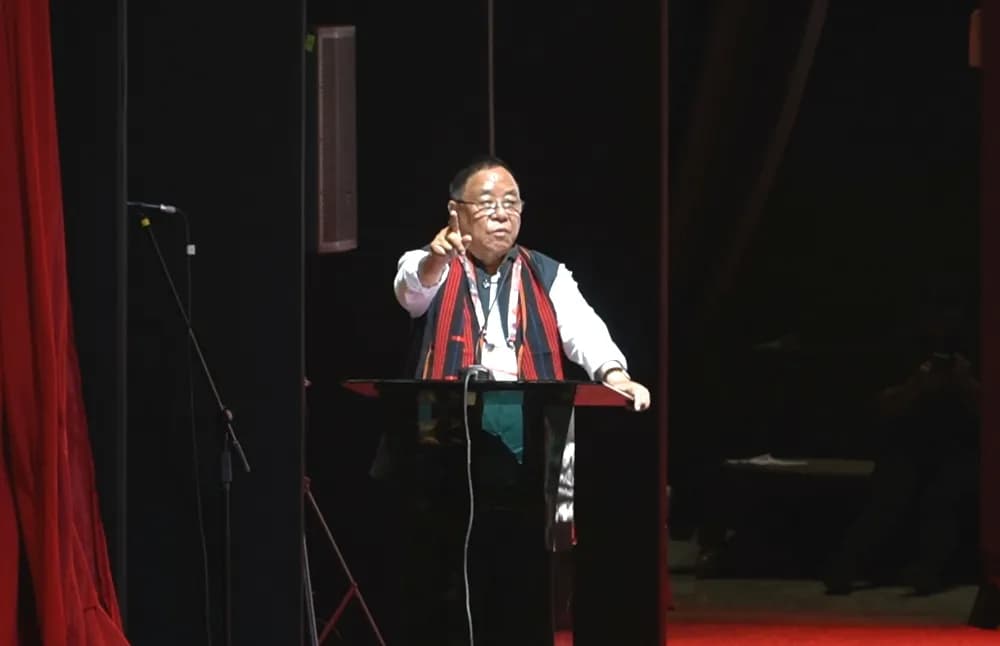
KOHIMA — Nagaland Minister for Roads and Bridges G Kaito Aye on Monday called for greater unity and harmony among the Naga people, while urging the younger generation to preserve their cultural identity and prepare for the social and economic challenges ahead.
He was speaking at the ‘Cultural Fiesta’ organised by the Angami Students’ Union (ASU) at the Capital Cultural Hall in Kohima.
Emphasising that culture is an important marker of identity, Aye said Nagas must recognise their diversity while working towards a common identity.
“Different tribes may have different histories, but today we are Naga,” he said, stressing that unity was essential for the community’s future. He urged the younger generation to support one another rather than viewing issues through tribal identities and historical differences.
“Unless you become Naga, nothing will progress. We will become weaker again,” he said.
Appreciating the ASU initiative, Aye said cultural programmes should continue and reach different parts of Nagaland. He said cultural exchanges could promote greater understanding, harmony and a sense of togetherness among the people.
On the political aspirations of the Naga people, Aye said a political solution “may come, may not come”, but Nagas would continue to live together and must therefore prepare to address their social and economic challenges collectively.
Also read: ‘Time Travel to Nagaland, 1979’ exhibition extended till September 25
He urged students to focus on academic excellence while developing alternative skills and opportunities for different possibilities after completing their education.
“You may get a job, you may not get a job. But you be prepared for now,” he said.
Aye also called upon students to identify areas where the government was falling short and raise specific issues so that corrective measures could be taken. He said the government and younger generation needed to work together to address issues confronting society.
The minister expressed concern over unemployment, substance abuse, alcoholism, depopulation of villages, inadequate infrastructure and the deterioration of natural resources.
He also stressed the need for responsible use of technology, particularly among young people, cautioning against excessive dependence on social media and other digital platforms.
“Technology should help us, but we should not let technology misuse us,” he said, urging students to use technology purposefully.
On governance, Aye called for stronger systems and institutions, along with greater transparency and accountability.
He acknowledged that politicians and public functionaries could come under pressure and said public offices should not be misused for personal interests.
He also called for improvements in villages, noting that many continued to face shortcomings in basic infrastructure despite the existence of Village Development Boards for several decades.
Aye further urged the younger generation to study the living conditions and practices of different Naga communities and learn from one another.
He said bringing Nagaland’s “house in order” should be a priority before extending support to Naga communities living outside the state.
‘Fiesta a celebration of cultural diversity’
Angami Public Organisation (APO) president Thejao Vihienuo described the cultural fiesta as a celebration of Naga identity and cultural diversity.
He said the traditions of different Naga tribes reflected the stories, values and heritage of their ancestors while providing a sense of belonging.
He encouraged students to use the occasion to understand one another better, saying cultural exchanges could expand friendships and strengthen the oneness of the Nagas.
Eastern Naga Students’ Federation (ENSF) president Nuheimong Yimkhiung said the diverse traditional attire and cultural displays at the event reflected the richness of Naga culture.
He urged participants to use the fiesta to strengthen the idea of coming together and moving forward in unison.
Naga Students’ Federation (NSF) president Mteisuiding Heraang said cultural preservation was closely linked to the preservation of Naga identity. He urged young people to become ambassadors of Naga culture and heritage wherever they study or work.
Referring to the NSF’s recent attempt to travel to Myanmar to meet Naga student organisations, Heraang said the federation had planned a programme with Naga students there but was unable to proceed.
Heraang called for greater unity among Naga communities and said cultural programmes could help reconnect people and strengthen their collective identity.
Earlier, ASU president Diezevie Nakhro delivered the welcome address. Later in the afternoon, Kohima Deputy Commissioner B Henok Buchem attended the cultural mosaic as guest of honour.