


The first mid-career training for Nagaland Police Service officers began at the Administrative Training Institute, Kohima, on January 28.
Share


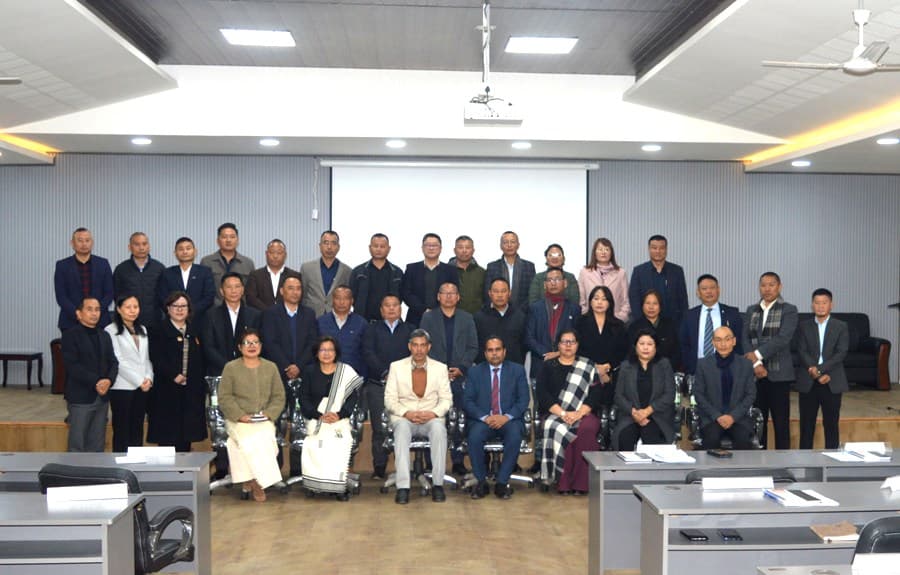
DIMAPUR — The first mid-career training for officers of the Nagaland Police Service began at the Administrative Training Institute (ATI), Kohima, on Wednesday.
According to a DIPR report, the inauguration of the seven-day training was attended by Principal Secretary to the Government of Nagaland, Abhijit Sinha, as the special guest.
Speaking at the programme, Sinha emphasised the importance of conducting mid-career trainings to aid and improve the knowledge and experience gained over the years in service. He urged the trainees to take the opportunity to reflect upon their years in service and learn new ways to improve themselves.
He expressed that the topics covered under the training are very relevant and would help the trainees in effectively carrying out their duties as officers of law enforcement. He wished the trainees the best and hoped that the training would improve their administrative and management skills.
Also read: Nagaland-Japan Connect 2026 inaugurated in Dimapur to boost education, employment and cultural ties
In his keynote address, V Shashank Shekhar, Director General of ATI, said that the mid-career training, the first of its kind, would cover a number of important topics under establishment matters, including service and financial matters.
He acknowledged the long-standing tradition of courage and dedication of the Nagaland Police and said that the force is well regarded by many for its professionalism and efficiency even when serving outside the state. He also urged them to dutifully tackle the ever-rising menace of substance abuse in the state and to create awareness among the younger generation.
The seven-day training, scheduled from January 28 to February 4, will be attended by 28 officers from the Nagaland Police Service. It will cover subjects under establishment matters, including treasuries, accounts and audit matters, REB, OMs on service matters, APAR, vigilance, legal aspects of governance, civil works procedures, and land and registration rules.