‘Meteorological Report of Nagaland 2024’ released
The department of Soil and Water Conservation unveiled the updated version of the ‘Meteorological Report of Nagaland 2024’
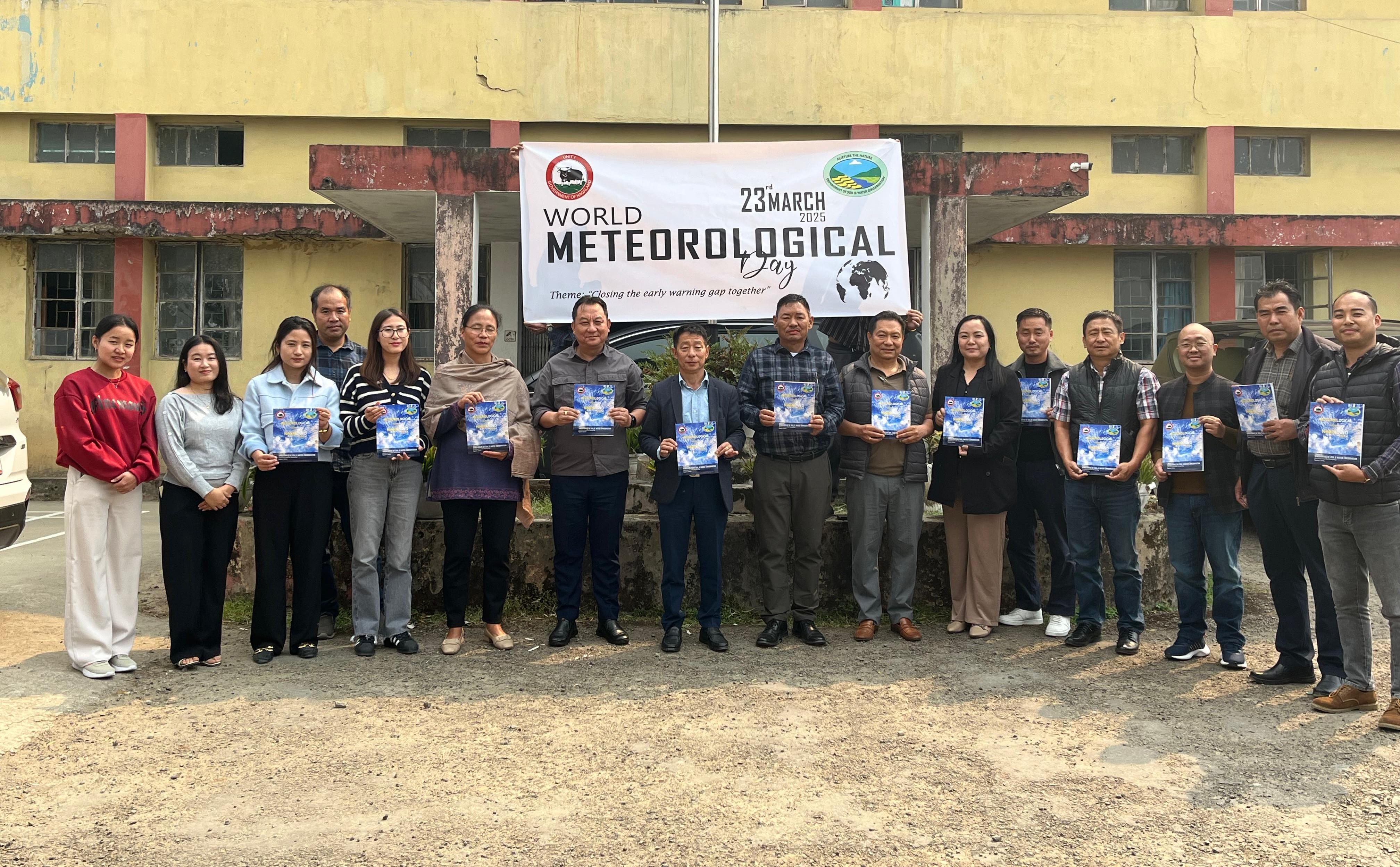
Director of Soil and Water Conservation, L Chubaonen, and
other officials releasing the ‘Meteorological Report of Nagaland 2024’ on the
occasion of World Meteorological Day in Kohima on March 21.
- DIMAPUR — Commemorating
World Meteorological Day, the department of Soil and Water Conservation
unveiled the updated version of the ‘Meteorological Report of Nagaland 2024’ on
March 21.
- An update from the department stated that the comprehensive
report offers an in-depth analysis of the state’s weather patterns, rainfall
distribution, temperature trends and other key climatic data recorded
throughout the year.
- It stated that the release of updated report aligned with
the World Meteorological Day 2025 theme “Closing the early warning gap
together.” The theme highlighted the crucial need for enhanced collaboration in
strengthening early warning systems to mitigate the impacts of extreme weather
events, which has become an increasing concern worldwide.
- It mentioned that the ‘Meteorological Report of Nagaland
2024’ is a vital step in the department’s ongoing efforts to promote climate
resilience. It added that the report provided a foundation for data-driven
policies and preparedness strategies that aims to improve the state's response
to climate-related challenges. It also underscored the importance of building
stronger partnerships between government agencies, scientific organisations and
local communities to bridge the early warning gap and improve disaster
preparedness.
- It stated that the report served as a call to action for
increased collaboration in the face of climate challenges while adding that by
working together, Nagaland could enhance its resilience to extreme weather and
natural disasters, ensuring a safer and more sustainable future for its
residents.
- “As we observe World Meteorological Day 2025, the global
community is reminded that closing the early warning gap is not just a
technological challenge, but a human one. Achieving this goal requires
solidarity, shared responsibility and commitment from all sectors of society.
Only through collective action can we strengthen early warning systems, protect
vulnerable communities and build a more climate-resilient world,” it stated.


