


Moatsü Festival celebrations in Sungratsu Village and Chümoukedima highlight unity, heritage, and Ao Naga traditions
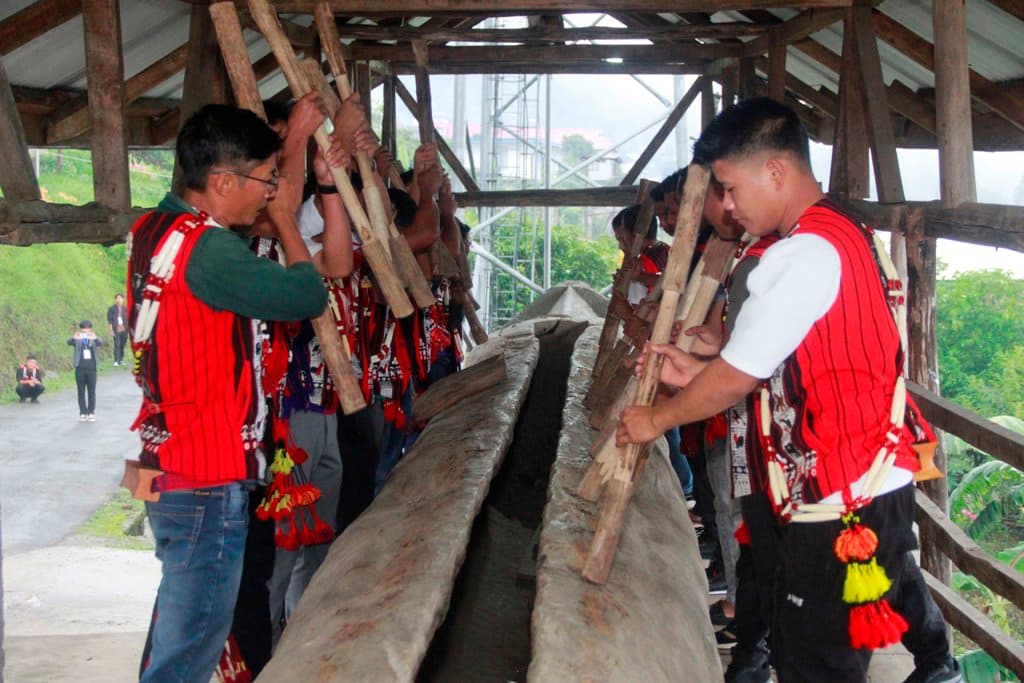
MOKOKCHUNG — The Moatsü festival came alive in Sungratsu Village on Saturday as hundreds of people from all walks of life gathered to witness the ceremonial awakening of the log drum — a powerful traditional symbol deeply rooted in Ao Naga heritage.
The rhythmic beats echoed across the village, formally announcing the commencement of Green Moatsü 2.0, held on the theme “Sobilba Lipokum – Eco cultural living.”
The celebration was attended by Sentiyanger Imchen, Chief Secretary of Nagaland. In his address, Imchen highlighted that Moatsü festival, as observed by Ao forefathers, was traditionally centred on seeking a bountiful harvest.
He emphasised that the festival also plays a vital role in fostering unity within the community.
“Moatsü strengthens unity among the people as it does not distinguish between rich and poor, class or creed,” he said.
The chief secretary commended the people of Sungratsu for their remarkable spirit of comradeship and generosity.
Also read: Moatsu festival highlights inter-tribal brotherhood
Imchen also reflected on the evolving perception of traditional festivals. He recalled a time when churches viewed the celebration of Moatsü and Tsungremmung with apprehension, considering them incompatible with the Christian way of life, which had led to a decline in such culturally significant events.
However, with a positive shift in mindset, these festivals are now enthusiastically observed not only in villages but also in towns and cities.
Expressing concern over the erosion of linguistic and cultural roots, Imchen pointed out that many young people, particularly in urban areas, can no longer speak their mother tongue. He noted that this issue is not unique to the Ao community but affects other Naga tribes as well.
Urging the youth to stay connected to their origins, he said, “If you do not know your roots and culture, how will you know your social identity?” He encouraged the younger generation to understand and uphold their cultural heritage as it forms their unique identity in the world.
Speeches were also delivered by S. Bendang Aier, chairman of Sungratsu Village Council, retired IPS officer L Bendang Lemtur, and Imlitoshi Walling. The programme was enriched with traditional folk songs, energetic folk dances by various groups, and concluded with a grand community feast.
Moatsü celebrations in Chümoukedima
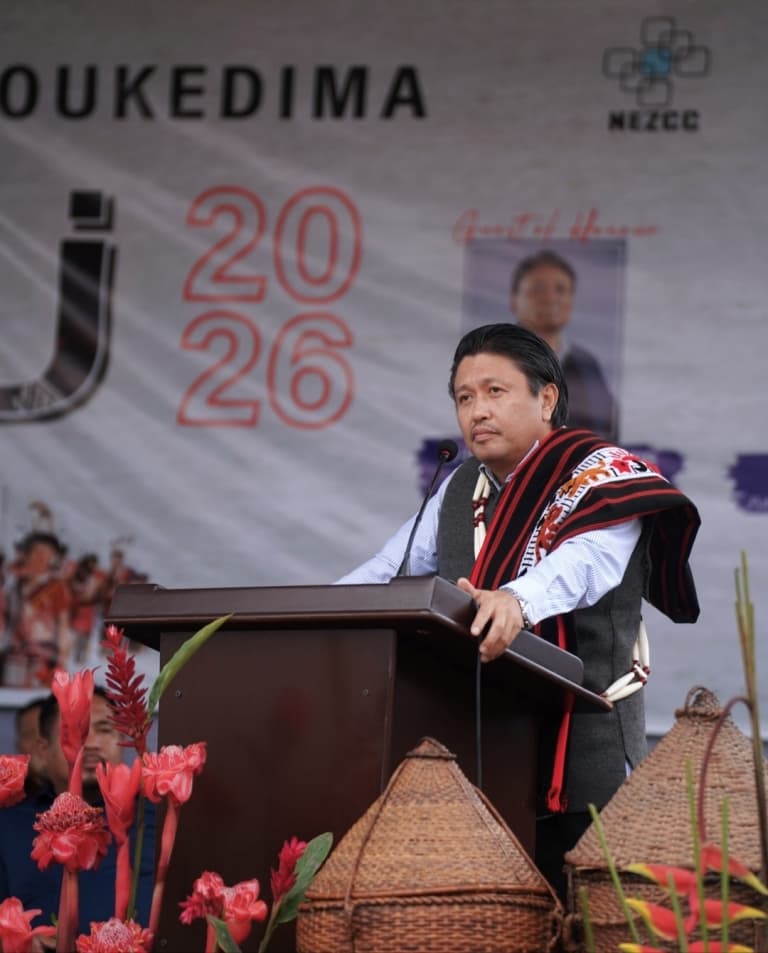
The Ao Senso Telungjem Chümoukedima (ASTC) celebrated Moatsü Festival 2026 at Sammagooting Ground with cultural presentations and indigenous games, bringing together community members, leaders, and guests.
The festival, held on the theme “Nechi Ranglok,” affirmed Ao identity and Naga heritage, an update stated.
Cultural presentations showcased the richness of Ao traditions, with performances by groups representing Ongpangkong, Jangpetkong, and Langpangkong ranges.
Indigenous games organised by the Ao Youth Organisation Chümoukedima, including firemaking, traditional cart racing, and bamboo climbing, were held during the celebration.
Jacob Zhimomi, minister of PHE and Cooperation and chief guest of the celebration, underscored the richness of Naga traditions and called upon the community to transcend tribal and clan divisions, fostering a single Naga identity.
He reminded that while Nagas are admired for their simplicity and culture, internal divisions still persist, calling for collective effort toward unity and development.
Metsubo Jamir, minister of Rural Development and SIRD and guest of honour, highlighted that while Moatsü traditionally sought God’s blessings after sowing seeds, it must also symbolise seeking friendship, cultural preservation, and harmony among communities.
Moatsü host and MLA Nuklutoshi lauded the unity of ASTC and urged resilience and cooperation despite challenges arising from the division of Dimapur district into Chümoukedima and Niuland.
The festival was a cultural showcase and reaffirmation of unity, gratitude, and community bonding. Traditional attire, indigenous games, and performances underscored the Ao community’s commitment to preserving heritage while embracing modern realities.
The programme concluded with a note of thanks by Manen Jamir, convener of the Moatsü planning committee. A community feast followed.
Earlier, the celebration commenced with a welcome address from Dr. Moa Walling, president ASTC. Greetings were shared by Razüovotuo Chatsu, chairman CVC, and Chumriba Sangtam, president ENPUC.